
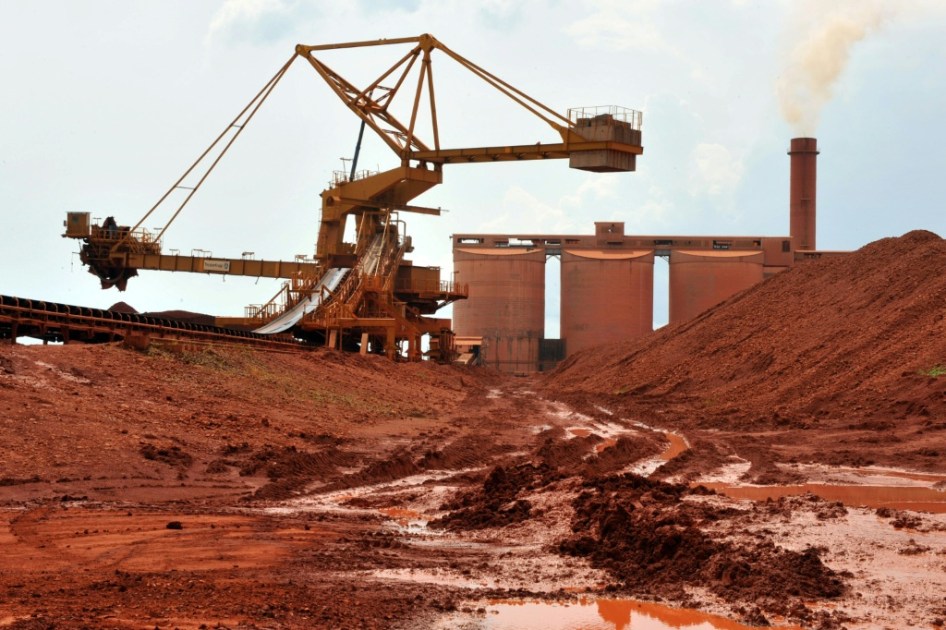
In a significant move, a Dubai-based mining company has initiated arbitration proceedings against Guinea following the withdrawal of its operational license for a bauxite mine. This action underscores the increasing tension between foreign investment and local governance in the West African nation, which has seen numerous companies affected by recent regulatory changes. The case highlights the challenges faced by mining firms in the region amid political upheaval.
Axis International is seeking to recover approximately $28.9 billion in damages resulting from the revocation of its license, relying on a range of legal and economic justifications. With the military council in power seizing numerous operational licenses in the country, foreign investors are increasingly concerned about the future of their projects. The company has turned to the International Centre for Settlement of Investment Disputes (ICSID) in Washington, D.C., after failing to reach an amicable settlement with the Conakry government.
History of the Legal Dispute
The crisis for Axis International began last May when the Guinean government issued decrees revoking operational licenses from dozens of companies, including those extracting bauxite. These decisions emerged under the pretext of non-compliance with specified operational standards, a claim the company contested. They asserted that the mine they operate is the second-largest bauxite mine in the country, containing reserves estimated at over 800 million tons.
The Impact of Political Coups on Mining Investments
Matters have notably worsened since General Doumbouya took power following a coup against civilian President Alpha Conde. Since then, the new government has adopted a strategy focused on exploiting mineral resources as part of its governance priorities. In November, an iron ore mine was inaugurated in Simandou, reflecting the government’s efforts to enhance revenue from the mining sector. However, these changes come amid growing concerns surrounding foreign investment due to political instability.
Economic Challenges in Guinea
Although Guinea holds a prominent position as one of the world’s largest producers of bauxite, the revenues generated from these activities often benefit large corporations rather than local populations. Analysts have pointed out that obstacles include inadequate infrastructure such as roads and transportation, pervasive corruption, and weak legal frameworks. This raises questions about how to attract more investments in the current climate.
As a Dubai-based mining company files a complaint against Guinea over the revocation of its operational license, it remains to be seen how this case will affect the future of economic relations between foreign companies and the Guinean state. As events continue to unfold, it will be essential to monitor developments in this case and its impact on the mining industry in the region.