
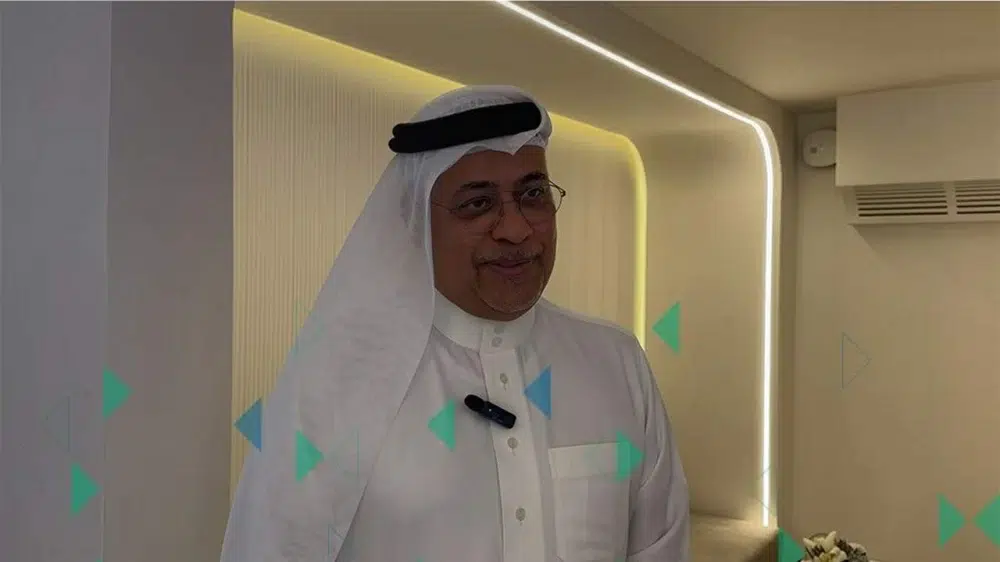
The ongoing digital transformation is revolutionizing the travel experience at Dubai Airports. As the global travel landscape evolves, Dubai is leading the charge with innovative technologies and streamlined processes that enhance passenger journeys. Insights from industry experts, such as Majid Al Joker, CEO of Operations at Dubai Airports, reveal how this shift not only improves operational efficiency but also positions Dubai as a beacon of modern travel. Digital transformation is reshaping the way we travel in Dubai, making it an essential focus for the future of aviation.
Collaborative Community Drives Exceptional Growth
In a recent interview with CNN Business at the Dubai Airshow 2025, Majid Al Joker emphasized the remarkable increase in passenger numbers due to collaborative efforts within the airport community. He noted that “the integration among teams and operational entities has led to unprecedented performance.” Al Joker highlighted that sustaining this growth hinges on the continuous development of the passenger experience, which includes both facility upgrades and the re-engineering of airport movement.
The Red Carpet Initiative: Streamlining Departures
Al Joker discussed the launch of the “Red Carpet” initiative for departing passengers, stating that this program merges airline procedures with passport checks into a single streamlined process. This approach allows travelers to pass through a dedicated lane without further delays. He indicated that this model will also be applied to arriving passengers in the future as part of a comprehensive plan to enhance the arrival experience, ensuring a “completely seamless” journey to the baggage claim area. Moreover, he noted that the anticipated new biometric system could reduce arrival processing times to a mere six seconds, marking a significant advancement in passenger experience and enhancing Dubai’s renowned adoption of the latest smart travel technologies globally.
Technological Advances and Proactive Operations
Al Joker explained how biometric technologies and data integration grant Dubai Airports significant proactive capabilities, allowing for real-time predictions of passenger volumes during peak times. This capability enhances the redistribution of human resources and facilities, leading to more efficient flow management. He also mentioned the deployment of autonomous cleaning robots across various airport locations, reflecting Dubai Airports’ commitment to smart operations designed to elevate operational quality while alleviating pressure on staff during busy periods.
Optimizing Current Facilities for Future Growth
According to Al Joker, the ongoing enhancements to the current operational framework represent a “practical test” for the future traveler experience at the new airport facility. He pointed out that these improvements—without the addition of new buildings—contribute to increased productivity and capacity, enabling the airport to keep pace with expected travel growth over the next decade. He affirmed that “any development we undertake today sets the preliminary template for the travel experience that the new airport will deliver,” which is anticipated to feature a more flexible operational structure leveraging artificial intelligence and predictive analytics.
The Future of the Current Airport
When asked about the future of the existing airport after the transition to new facilities, Al Joker shared that the expected timeline for the complete move to the new airport is set for 2032. The fate of the current terminal, he stated, will ultimately be decided by leadership directives. He concluded his conversation with CNN Business by reiterating that the integration of modern technologies, expansion of digital solutions, and reliance on predictive data are the cornerstones of the new phase for Dubai Airports. This strategic direction aims to establish the emirate as a leading global hub in aviation while redefining the international travel experience.