
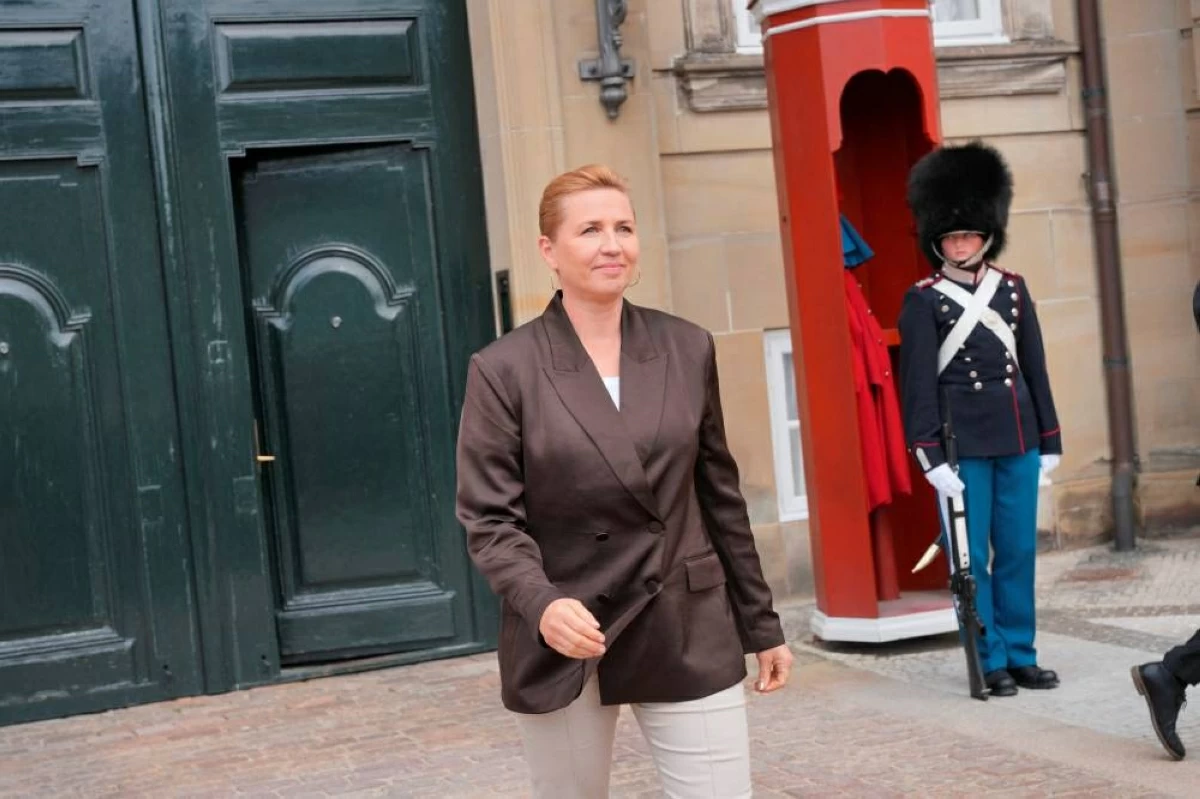
In a move that highlights the complexities of the Danish political landscape, the King of Denmark has once again tasked Mette Frederiksen with forming a government, despite unsuccessful negotiations following inconclusive elections. These developments reflect a sharp division in the Danish Parliament, making Frederiksen’s mission even more challenging. This decision comes after previous failed attempts to establish a government, raising questions about the future of politics in the country.
Frederiksen’s Appointment Amidst Instability
On Saturday, the King of Denmark reinstated former Prime Minister Mette Frederiksen to lead the efforts to form a government, following two rounds of failed negotiations after the elections held in March. The royal palace stated in an official announcement that “the parties representing the majority in Parliament (the Folketing) recommended appointing the acting Prime Minister, Mette Frederiksen, to lead the government formation consultations.”
Challenges of Political Coalitions
Trolls Lund Poulsen, leader of the liberal “Venstre” party, revealed the failure of attempts to create a right-wing government, as the “Moderate” party rejected their support. After stepping down from the leadership of the consultations on May 8, Frederiksen once again took the reins in an effort to form a government that includes multiple parties, including the Socialist People’s Party and the Social Liberal Party (Radikale Venstre).
Duration of Consultations
The government formation consultations in Denmark have lasted more than 59 days, marking the longest government negotiation period the country has experienced. Local media reported that Frederiksen expressed her determination to start anew, stating to reporters after her meeting with the King: “We will begin tomorrow and in the coming days.”
Election Results and Their Impact
Neither of the two blocs, right or left, managed to achieve a clear majority in the March 24 elections, leading to a divided Parliament. Despite the Social Democrats, led by Frederiksen, recording their worst results since 1903, they remained the largest party in the country. In contrast, the far-right People’s Party made significant gains, further complicating the government formation process.
Amid these factors, the King of Denmark’s appointment of Mette Frederiksen to form the government stands out as a bold move at a time when the political system faces complex and multifaceted challenges. This underscores her crucial role in steering the country through a period of uncertainty.