
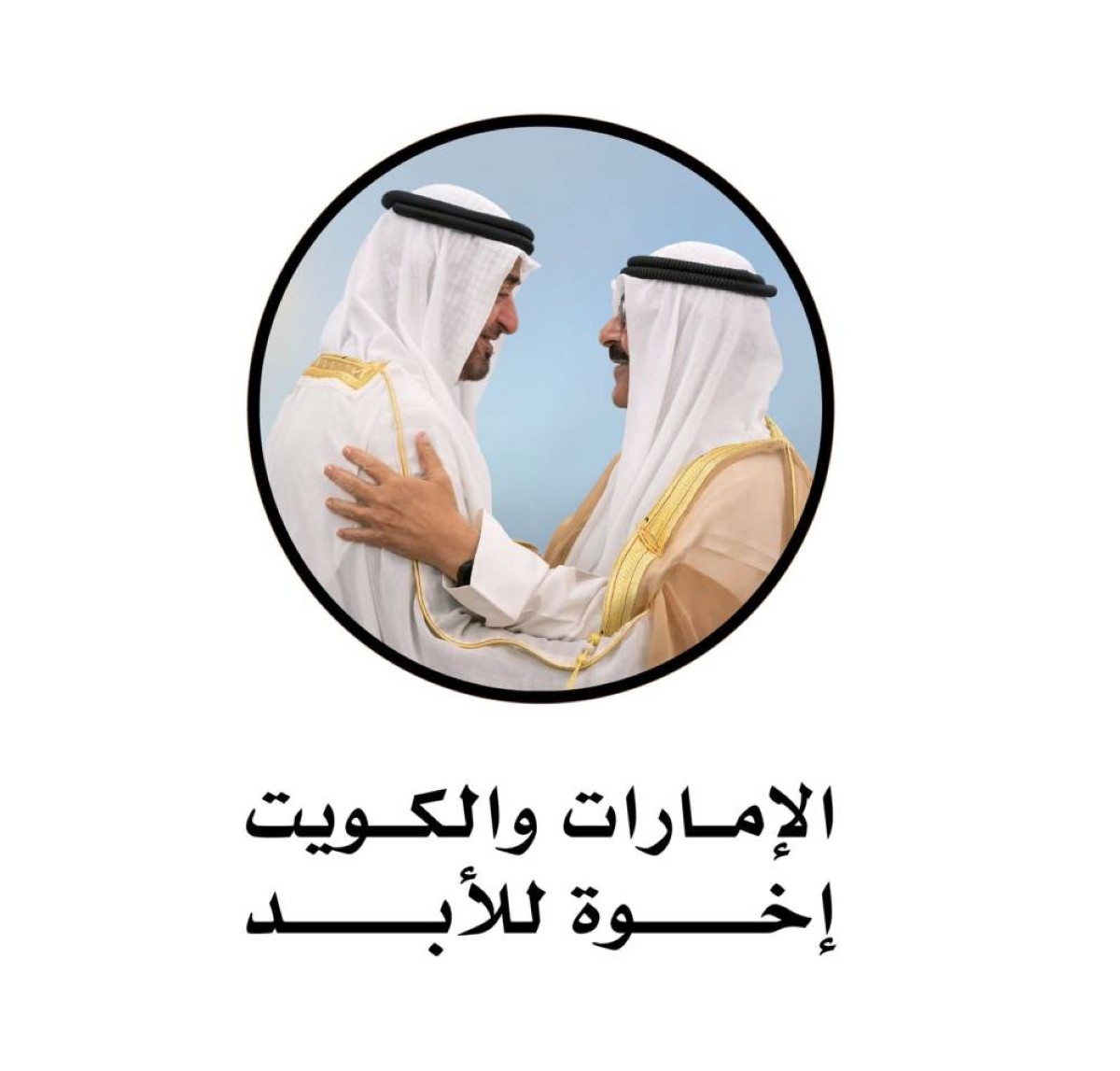
The relationship between the United Arab Emirates and Kuwait embodies a unique fraternity rooted in mutual respect and integration across various sectors. These connections extend beyond political and economic realms, finding expression in urban and cultural landscapes through the naming of prominent landmarks and institutions after both nations and their leaders. These designations are more than mere symbols; they serve as a continuous message reflecting the strength of the ties between the Emirates and Kuwait, affirming that the bonds shared by the two countries and their leadership have become an integral part of the urban environment and the daily memory of their communities.
Significant Landmarks and Their Symbolism
One of the most vital roads in Kuwait, named after Sheikh Zayed bin Sultan Al Nahyan, stretches over 30.3 kilometers, beginning at the Gulf Road near Salmiya and ending at its intersection with Jahra Road. In 2013, the late Amir of Kuwait, Sheikh Sabah Al-Ahmad Al-Jaber Al-Sabah, ordered the renaming of the Fifth Ring Road to honor Sheikh Zayed, illustrating an acknowledgment of his numerous contributions to Kuwait and the wider Arab and Islamic world. This initiative reflects the robust historical ties and shared destiny between the two nations, showcasing the UAE’s commitment to international law, legitimacy, and principles of good neighborliness.
Cultural Projects Strengthening Fraternal Ties
In a gesture that predates the Iraqi invasion of Kuwait, the UAE initiated the Sheikh Zayed Park project in Kuwait in 1989. A specialized Emirati team was dispatched to design the site and determine the suitable types and numbers of trees, culminating in the planting of 28,000 various species. The park, spanning 1.76 million square meters, was created to achieve environmental goals, such as preserving biodiversity and wildlife. It offers unique services to the public, featuring cultural study centers alongside recreational areas tailored for community engagement.
Landmarks in Dubai Reflecting Kuwaiti Heritage
Dubai also hosts multiple sites named in honor of Kuwait and its leaders. Following directives from His Highness Sheikh Mohammed bin Rashid Al Maktoum, the Minister of Health and Prevention in 2019 announced the renaming of Al Baraha Hospital to Kuwait Hospital. This renaming acknowledges the historical role the hospital played since its inauguration by the late Sheikh Rashid bin Saeed Al Maktoum, alongside the late Amir of Kuwait, Sheikh Sabah Al-Salem Al-Sabah, in 1966. The name “Kuwait” is also borne by a road stretching from Zabeel to Al Mina, passing through various vibrant neighborhoods in Dubai.
Memorials and Institutions Celebrating Unity
Further commemorating the bond between the Emirates and Kuwait, the Kuwait Square monument in Sharjah serves as a vibrant symbol of their fraternal relationship. Inaugurated by His Highness Sheikh Dr. Sultan bin Muhammad Al Qasimi in 1990, the square occupies 15,400 square meters and features artistic representations of Kuwait’s past and present, highlighting its cultural heritage and development. Moreover, the Kuwait Hospital in Sharjah, which transitioned from a center focused on respiratory diseases to a general hospital, stands testament to the ongoing commitment to serve both communities.
In Ajman, a notable street was named after Kuwait, underscoring its significance within the emirate. Additionally, in 2020, His Highness Sheikh Saud bin Rashid Al Mualla, the Supreme Council Member and Ruler of Umm Al-Quwain, renamed Corniche Street in his emirate to Sheikh Sabah Al-Ahmad Al-Jaber Al-Sabah Street, honoring his immense contributions to Kuwait and the region. This renaming serves as a reminder of Sheikh Sabah’s persistent efforts to strengthen the profound brotherhood between the UAE and Kuwait throughout his lifetime.
These names, symbols, and projects deeply embed the relationship between the Emirates and Kuwait into the very fabric of their landscapes, continuously inspiring future generations to uphold the legacy of cooperation and unity.