
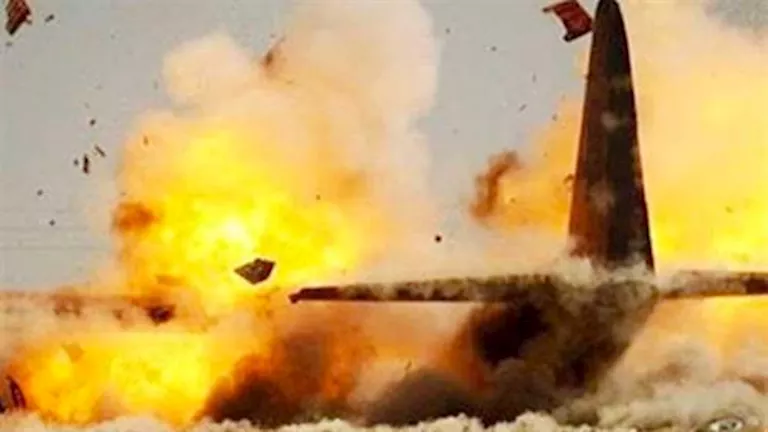
In a significant turn of events, Sudan has reportedly destroyed an aircraft belonging to an Arab nation, resulting in the deaths of around 40 Colombian mercenaries on board. This incident raises important questions about regional security and the involvement of foreign fighters in the ongoing conflict in Sudan. According to official Sudanese reports, the aircraft was targeting a strategic location in Darfur when it was intercepted. This article delves into the details surrounding the destruction of the aircraft and its implications for Sudan and the broader region.
Details of the Incident
On Wednesday evening, Sudanese state television announced that the Sudanese Air Force successfully targeted and destroyed an aircraft from an undisclosed Arab country as it attempted to land at Nyala Airport, currently under the control of the Rapid Support Forces (RSF) in Darfur. The reports indicate that the aircraft was transporting military supplies intended for the RSF, further complicating the already tense situation in the region.
The destruction of the aircraft has led to significant casualties, with approximately 40 Colombian mercenaries reported dead. This figure has yet to be verified by Colombian authorities, but it has prompted an immediate response from President Gustavo Petro of Colombia.
Colombian Response
In light of these developments, President Petro has called for the establishment of legislation to prohibit mercenary activities in Colombia. He expressed concern for the Colombian nationals involved in the conflict, stating, “I have instructed our ambassador in Egypt to verify the number of Colombians who lost their lives in Sudan.” Petro emphasized the seriousness of the situation, as preliminary reports suggest that the death toll could indeed reach 40.
Furthermore, Colombian authorities have been alerted to the presence of their nationals in the conflict, with allegations that they have been recruited by foreign entities to participate in hostilities.
International Implications
The Sudanese government previously accused the same Arab nation of financing and recruiting Colombian operatives to fight alongside the RSF against the Sudanese Armed Forces, claiming to possess evidence of such activities. Reports from UN experts indicate that Colombian fighters have been active in Sudan since late 2024, adding a complex layer to the conflict that is drawing international attention.
The Sudanese military has even released footage suggesting that foreign mercenaries, purportedly Colombian, are actively engaged in combat, raising further concerns about the influence of external actors in domestic conflicts.
Flight Suspension by UAE Authorities
In a related development, Sudanese airlines were surprised by a sudden announcement from UAE authorities to suspend all flights to and from Sudan, effective from 2 AM Wednesday. The suspension did not come with an official explanation, leading to speculation about potential security or geopolitical motives behind this decision.
This flight ban unfolds amidst a backdrop of strained relations between Khartoum and Abu Dhabi, particularly after Sudan labeled the UAE as an “aggressor nation” in May, accusing it of supporting and arming the RSF.
The destruction of the aircraft and the loss of life it incurred underscore the fraught dynamics at play in Sudan and the controversial role of foreign mercenaries, specifically Colombians, in the conflict. As nations grapple with the ramifications of this incident, the situation continues to evolve, revealing the complex interplay of local and international factors influencing the ongoing crisis.