
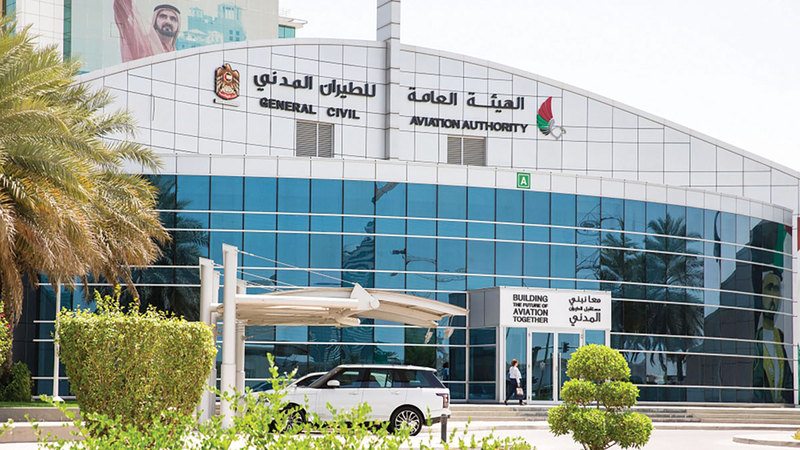
In a groundbreaking move that highlights the UAE’s leadership in aviation innovation, the General Civil Aviation Authority (GCAA) has issued the world’s first regulatory framework for hybrid operations. This landmark regulation enables electric vertical take-off and landing (eVTOL) aircraft and traditional helicopters to operate interchangeably on the same infrastructure. The publication marks a significant leap in integrating Advanced Air Mobility (AAM) solutions into existing air traffic systems while promoting sustainable and efficient operations.
Innovative Regulatory Framework
This pioneering regulatory framework represents a transformative shift in the aviation sector, allowing for a cost-effective development model of infrastructure. It accelerates readiness for operational integration and aligns seamlessly with the UAE government’s directives aimed at implementing high-efficiency, non-bureaucratic solutions across various sectors. This initiative is crucial for the future of air transport.
Commitment to Safety and Technology
According to Saif Mohammed Al Suwaidi, Director General of GCAA, “The UAE has always been at the forefront of excellence in aviation. This pioneering regulatory framework not only enables new technologies but also redefines how aviation evolves, demonstrating our commitment to innovation in developing a system that supports the growth of this vital sector.”
A Collaborative Effort
The regulation of hybrid operations is the result of close collaboration with international partners in the AAM sector and is fully aligned with the UAE’s national vision for sustainability and smart mobility. By facilitating dual-use between traditional helicopter pads and eVTOL landing spots, this initiative not only speeds up implementation schedules but also optimally utilizes existing infrastructure for the aviation industry. It reinforces the UAE’s position as a leader in adopting an integrated system that supports the future of aviation.
Looking Ahead
Engineer Aqeel Al Zarouni, Assistant Director General for Aviation Safety Affairs at GCAA, remarked, “We take pride in developing a regulatory framework that combines innovation with effective safety oversight. This framework serves as a strategic enabler, not only for new transport modalities but also for a more intelligent and flexible regulatory environment that keeps pace with emerging technologies without compromising safety standards.”
As the global aviation community prepares for the upcoming era of air mobility, the UAE continues to set the benchmark, reaffirming that an ambitious long-term vision, advanced industrial capabilities, and developed infrastructure are the foundational pillars for successfully integrating Advanced Air Mobility.