
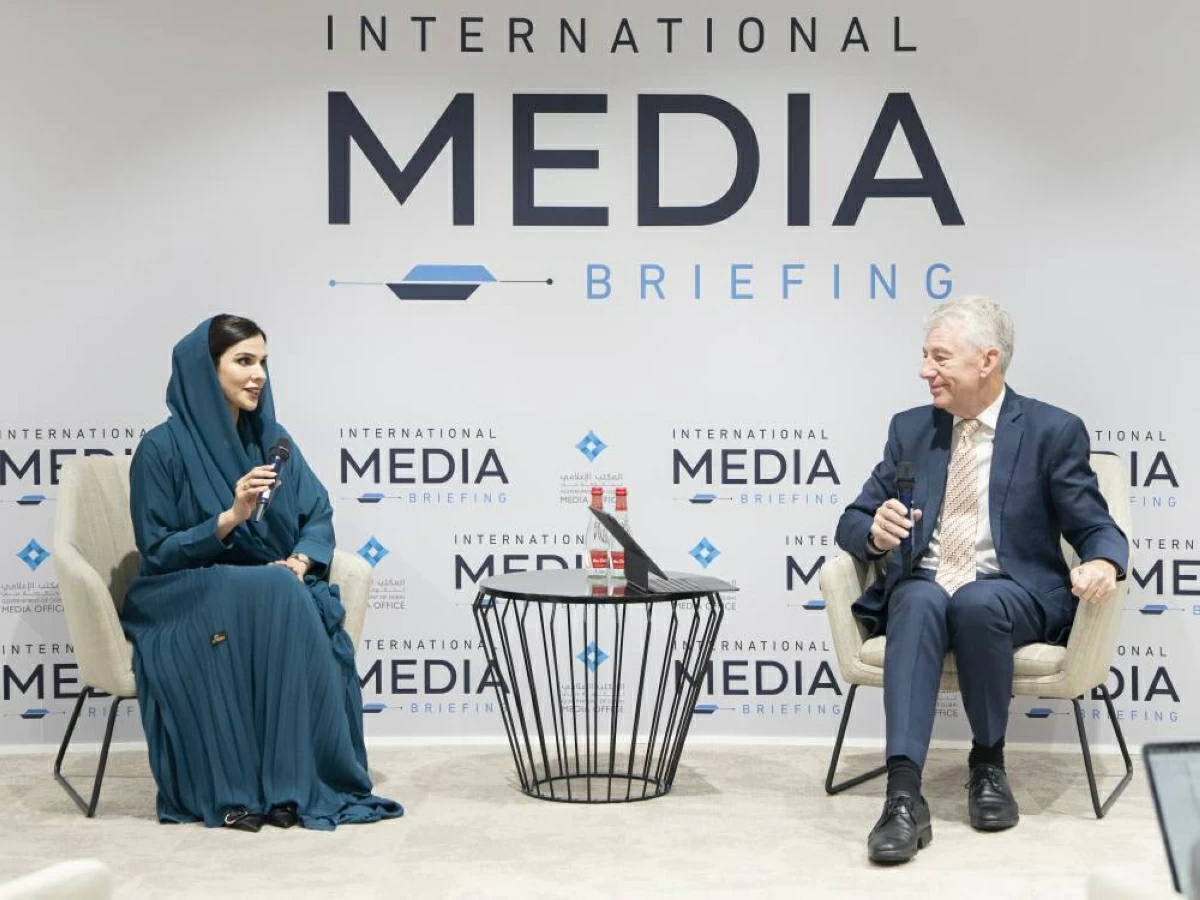
In a recent session of the “International Media Briefings” series, Paul Griffiths, CEO of Dubai Airports, provided valuable insights into the achievements and future prospects of the aviation sector in Dubai. The discussion, moderated by Hind Fakri, Director of Strategic Media Affairs at the Government of Dubai Media Office, gathered representatives from both local and international media to delve into the resilience and long-term development plans that are shaping the future of aviation in the region.
Impressive Growth Figures
Griffiths reported a remarkable 26% increase in passenger traffic at Dubai International Airport between June and July 2026. The airport welcomed a total of 31.5 million passengers in the first half of the year, and projections indicate that it could accommodate around 70 million passengers by the end of 2026. The expectation is for Dubai International Airport to reach a milestone of 100 million passengers annually by 2027, driven by rising operational capacity and sustained demand for air travel.
Ongoing Developments at Al Maktoum International Airport
During the briefing, Griffiths also highlighted advancements at Al Maktoum International Airport, where the second runway is expected to open by the end of 2027, supporting the long-term objective of increasing the airport’s annual capacity to 150 million passengers. With each operational segment planned to handle approximately 32 million passengers, the airport development reflects a strategic approach to infrastructure growth that keeps pace with rising demand.
A Transformative Passenger Experience
Griffiths outlined plans for a revolutionary shift in passenger experiences, focusing on technology to eliminate traditional bottlenecks often encountered in airport processes. Innovations, including facial recognition systems and streamlined baggage handling, aim to create a “no queue” experience reminiscent of a hotel lobby arrival.
Technological Integration in Aviation
The CEO emphasised the increasing role of artificial intelligence and emerging technologies in shaping passenger experiences. Airports are being designed with flexibility in mind to adapt to future innovations, and discussions are already underway with airlines regarding new direct routes to cities in Europe and Africa.
A Vision for the Future
Hind Fakri articulated the objectives of the “International Media Briefings” as a platform for global media to connect closely with the leadership driving Dubai’s key sector advancements. The discussion highlighted the strategic thinking underpinning the emirate’s evolving narrative and laid bare the key priorities driving Dubai’s expansion on the world stage.
Conclusion
As Paul Griffiths outlined the trajectory of Dubai’s aviation landscape, it is clear that the sector is positioned for significant growth fueled by infrastructural development and technological advancements. The plans for Al Maktoum International Airport and the ongoing success at Dubai International Airport underscore the emirate’s commitment to maintaining its status as a leading global aviation hub.