
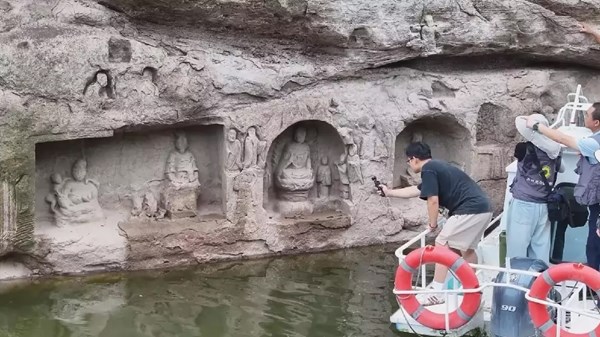
The recent decline in rainfall since the start of summer in the Dazhu region of China has led to a significant drop in water levels in the Yutan Reservoir, unveiling a collection of historical rock carvings. This unexpected revelation highlights how receding water reveals archaeological treasures in a Chinese reservoir, offering a glimpse into the cultural heritage of the area.
An Unexpected Discovery
The lowering water levels have revealed a remarkable find, dating back to the Song Dynasty (960–1279). This period is renowned for its artistic advancements, and the artifacts uncovered in the Yutan Reservoir provide a rare opportunity to study the exquisite craftsmanship of that era. The number of sculptures uncovered—27 in total—attests to the artistry and cultural significance of the time.
Artistry of the Song Dynasty
The sculptures reflect the intricate techniques used by artisans of the Song Dynasty, a time when art flourished in China. Many of these carvings showcase detailed human figures and wildlife, encapsulating aspects of daily life and spiritual beliefs prevalent during that period. This discovery provides researchers with a valuable window into the past and allows them to explore the confluence of art and culture that characterized the dynasty.
Community and Cultural Impact
This discovery not only offers insights into historical craftsmanship but also holds social significance for local communities. Many residents are drawn to the Yutan Reservoir, eager to witness these ancient carvings firsthand. This revelation ignites interest in local history and prompts discussions about the preservation of cultural heritage and the importance of archaeological efforts in the region.
Future of Archaeological Research
This unprecedented find emphasizes the need for ongoing archaeological research and preservation. As water levels may rise again, the current exposure of these sculptures presents a unique, albeit fleeting, chance for scholars and historians to document and study these artifacts. This phenomenon reminds us of Mother Nature’s role in unveiling historical treasures and further motivates a collective responsibility for cultural conservation.