
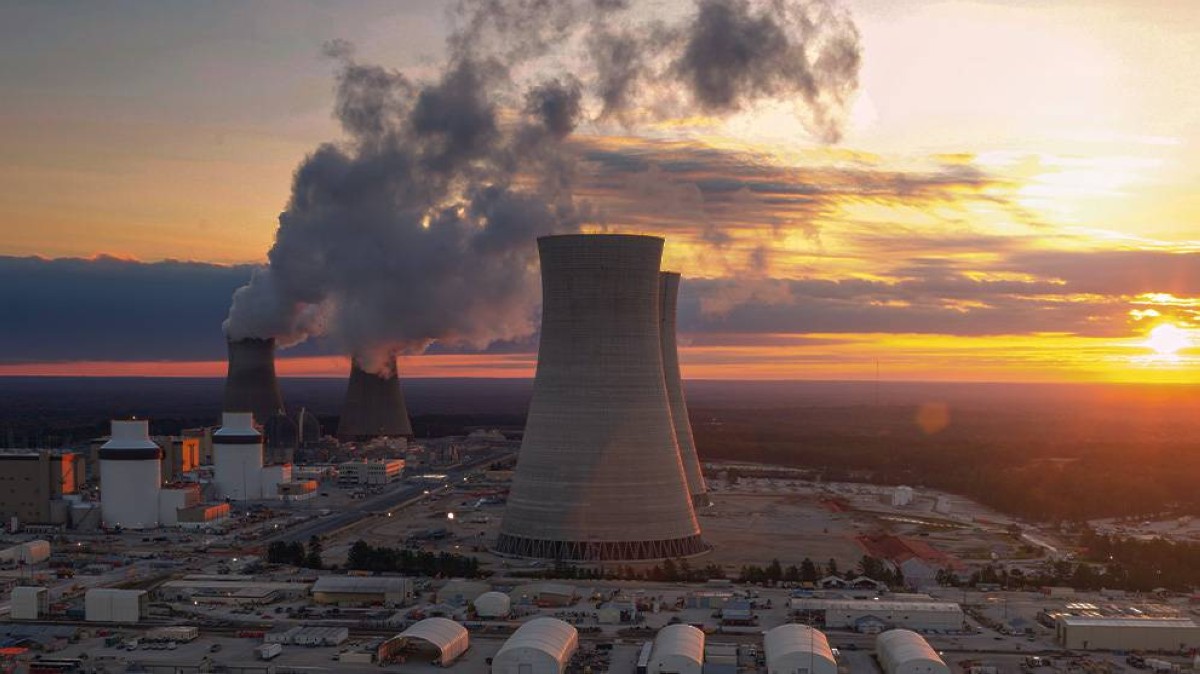
The quest for sustainable and efficient energy sources has led the United States to focus on one of the most advanced nuclear reactors in the world: the AP1000®. Designed by Westinghouse Electric, the AP1000 is now being sought for operational implementation, leveraging the expertise gained by the United Arab Emirates from the Barakah Peaceful Nuclear Power Plant. This article delves into the significance of the AP1000 reactor and the growing collaboration between American and Emirati entities to enhance energy security and reduce reliance on fossil fuels.
The Significance of the AP1000 Reactor
The AP1000® reactor represents a pivotal advancement in nuclear technology, classified as a “Generation III+” reactor. This cutting-edge technology not only prioritizes safety and efficiency but also embodies a long-term vision for energy production. The framework for this burgeoning collaboration was established through a Memorandum of Understanding between the Emirates Nuclear Energy Corporation (ENEC) and Westinghouse Electric, underscoring a mutual commitment to bolster energy security amidst increasing global competition in the nuclear sector.
Advanced Safety Features
Designed as a Pressurized Water Reactor (PWR) with a capacity nearing 1,100 megawatts electric, the AP1000 boasts unique passive safety systems that enable it to handle emergency situations without reliance on external power or human intervention. Its cooling systems utilize gravity and natural circulation principles, offering a pronounced advantage over older reactor designs. This is particularly relevant following the catastrophic events at Fukushima, emphasizing the importance of safety in modern nuclear energy generation.
Design and Efficiency
The modular design of the AP1000 allows for components to be prefabricated in specialized factories before being assembled on site. This innovative approach significantly minimizes construction time and reduces costs. Moreover, the reactor is engineered for a lifespan of at least sixty years, with potential for operational extension, making it a reliable choice for future energy needs.
Geopolitical Context and Future Prospects
This American initiative aligns with a broader effort to revive the country’s nuclear industry as China and Russia steadily advance in exporting nuclear technology globally. Legislative advocates in the U.S. are increasingly pushing for a nuclear renaissance, especially as the world pivots toward green energy solutions and aims to curtail carbon emissions. Nuclear energy is perceived as a critical component of the future energy mix alongside renewable sources.
Despite facing challenges related to costs, regulatory bureaucracy, and public perception, the U.S. has made notable strides, illustrated by the Vogtle project in Georgia, where the first AP1000 reactor commenced operations in 2023. As the U.S. aims to match or surpass China’s current operational fleet of four AP1000 reactors, it hopes to solidify its energy independence and restore its global leadership in nuclear technology.
Ultimately, through this partnership with the Emirates and advancements in nuclear capabilities, the U.S. envisions a pathway to a secure and sustainable energy future, offering a cleaner alternative in light of the global climate crisis and fluctuating energy markets.