
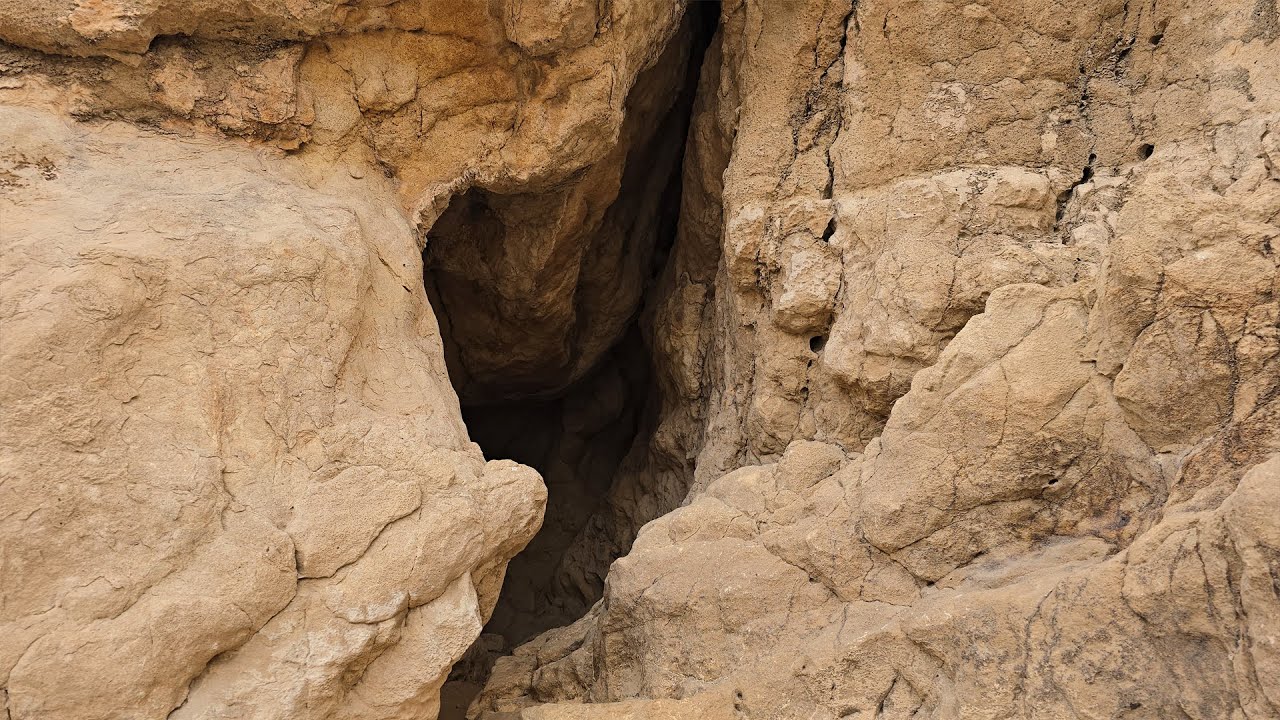
The Al-Fayah site tells the story of early human settlement and is considered one of the prominent archaeological sites that highlight the history of humanity. This place reflects the cultural and environmental values that have shaped human life throughout the ages. Studies indicate that the site contains archaeological evidence dating back 210,000 years, making it an important reference point for understanding the evolution of human life in the Arabian Peninsula.
The Importance of Al-Fayah Site in Human History
Dr. Osama Khalil, a heritage sites expert at the Sharjah Archaeology Authority, stated that the Al-Fayah site is crucial for documenting the stages of early human settlement. This site serves as a living testament to ancient human activity, as the soil holds remnants that indicate the way of life of people during that period.
Legal Protection and Sustainable Heritage
Khalil explained in statements that the Al-Fayah site enjoys legal protection under Law No. 4 of 2020, which aims to protect and sustain heritage for future generations. The management of the site is overseen by the Sharjah Archaeology Authority, reflecting the state’s commitment to preserving cultural and historical heritage.
Multiple Archaeological Discoveries
Ongoing research at the Al-Fayah site indicates the presence of multiple archaeological discoveries, including stone tools and pottery dating back to prehistoric times. These findings reveal the lifestyles, hunting methods, and agricultural practices adopted by ancient humans during that era. The Al-Fayah site narrates the story of early human settlement through this evidence, enriching our knowledge of the region’s history.
Promotion and Awareness Efforts
The Sharjah Archaeology Authority is implementing awareness campaigns aimed at educating the community about the importance of the Al-Fayah site. These efforts contribute to enhancing public understanding of the significance of heritage protection and its impact on cultural identity. Preserving the Al-Fayah site ensures that the story of early human settlement will remain alive for future generations, allowing them to witness the evolution of civilizations in this region.