
The recent endorsement of الفاية as a UNESCO World Heritage site marks a significant milestone for the United Arab Emirates in preserving its cultural heritage. This achievement not only enhances the nation’s presence on the world heritage map but also showcases its commitment to recognizing, safeguarding, and celebrating its rich historical legacy. The collaborative efforts among national authorities and cultural institutions have made this historic recognition possible, creating a platform for the UAE to engage in international dialogues about heritage and cultural identity.
A Historic Achievement Through Dedication
Thanks to the tireless efforts of the National Committee for Education, Culture, and Science under the Ministry of Culture, along with the UAE’s envoy to UNESCO, the recent decision by the World Heritage Committee to include الفاية in the global heritage list represents a remarkable accomplishment. This milestone is the result of collaboration with the Sharjah Archaeology Authority and the Executive Office of Sheikha Bodour bint Sultan Al Qasimi, the official ambassador for the site’s nomination.
Heritage as a Vital Element of National Identity
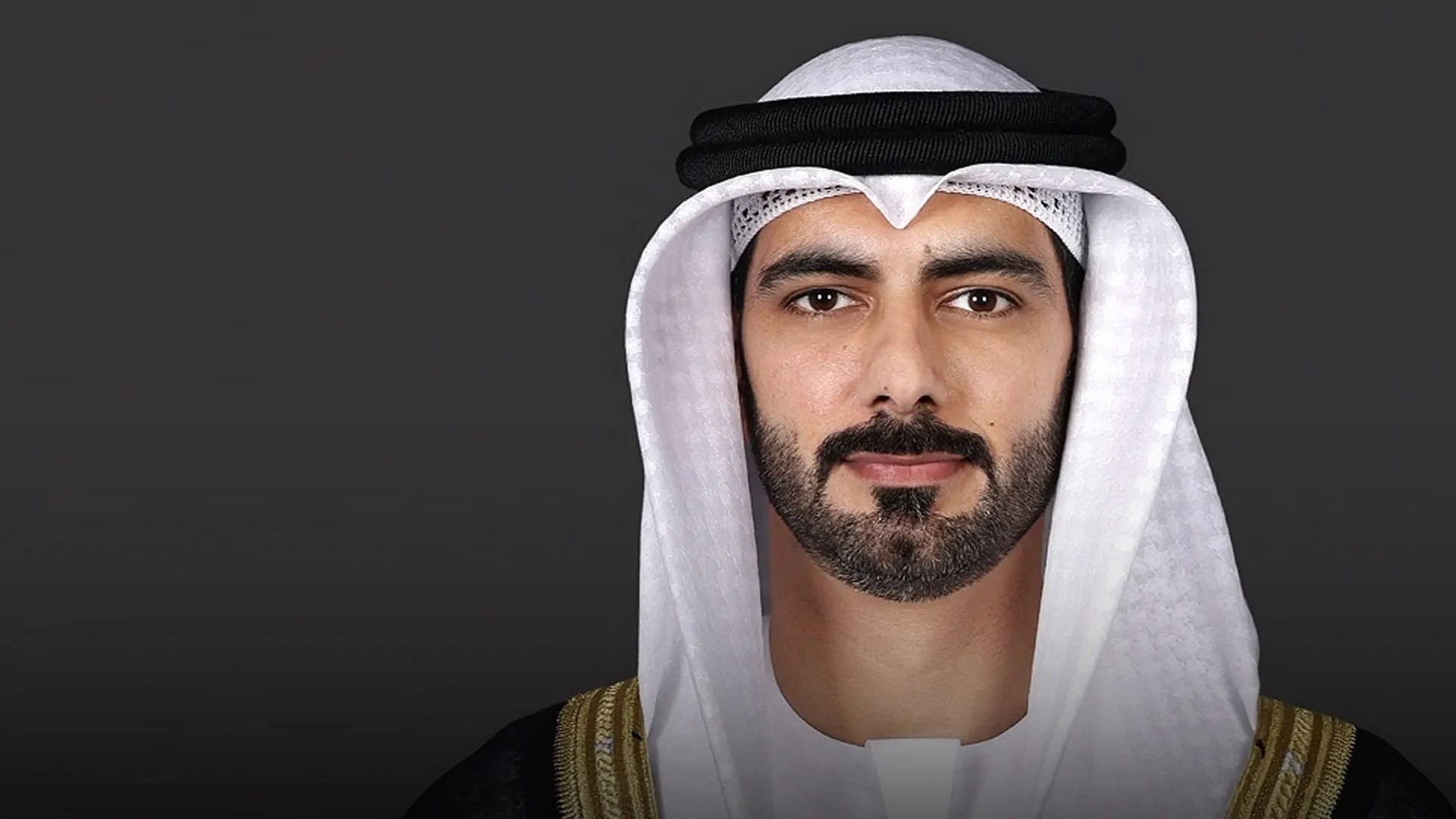
His Excellency Sheikh Salem bin Khalid Al Qasimi, Minister of Culture and Chairman of the National Committee for Education, Culture, and Science, expressed his pride and satisfaction at this historic achievement. He noted that this endeavor exemplifies constructive teamwork among relevant national bodies and research institutions, highlighting the country’s strategic vision to embed heritage as a dynamic aspect of national identity and global cultural dialogue.
A Unique Record of Ancient Human Settlement
The exceptional global value of الفاية lies in its status as a living record of one of the earliest forms of human settlement in desert environments. It provides rare and significant evidence of human adaptability and innovation in confronting natural challenges, making its inscription not merely an Emirati accomplishment but a contribution to humanity’s understanding of social evolution.
Preserving Historical Memory for Future Generations
In this context, Sheikh Salem emphasized the continuous efforts to elevate the status of cultural and natural sites in the UAE on the world heritage map. The initiatives aim to support national documentation, rehabilitation, and protection efforts, solidifying the UAE’s position as a key player in preserving global heritage for future generations.
Evidence of Human Resilience
Located in the central region of Sharjah, الفاية serves as a living testament to the resilience of early humans in effectively adapting to harsh desert conditions. It holds the oldest continuous record of human existence in the Arabian Peninsula, dating back over 210,000 years, bestowing exceptional archaeological and anthropological significance.
A Site of Continuous Human Settlement
Findings demonstrate that الفاية was not merely a transit point during migrations but a recurring human settlement during favorable climatic periods. The availability of water from springs and valleys, coupled with abundant flint for tool-making, created a natural haven for human habitation since prehistoric times.
Comprehensive Management Plan for الفاية
The UAE has developed a comprehensive management plan to safeguard الفاية. This initiative aims to direct conservation efforts, conduct research, and regulate visitor access from 2024 to 2030. The plan aligns with UNESCO’s World Heritage site criteria, ensuring the site’s preservation while continuing excavation, exploration, and scientific study.