
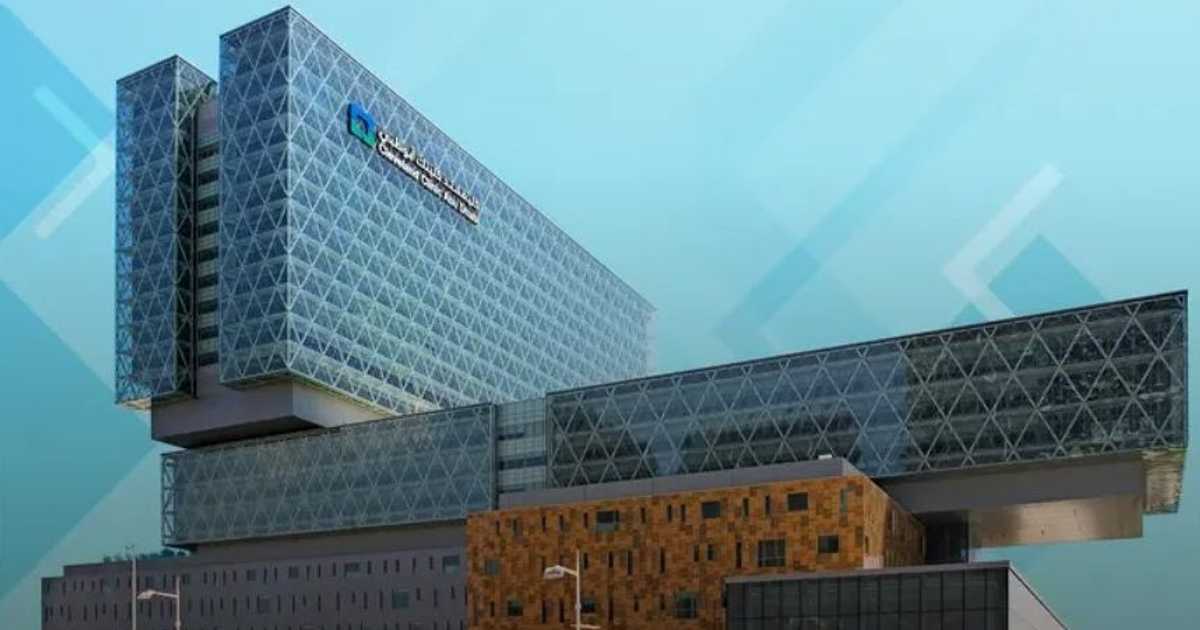
In an era where nations are racing to secure a more advanced and sustainable healthcare future, Abu Dhabi emerges as a pivotal global player in redefining the essence of medicine. With Cleveland Clinic Abu Dhabi at the forefront, this institution represents not only a state-of-the-art medical facility but also a groundbreaking laboratory where innovative healthcare solutions materialize. The integration of artificial intelligence with robotic surgery at Cleveland Clinic Abu Dhabi is creating a unique model for healthcare delivery, setting a new standard for medical excellence worldwide.
Revolutionizing Healthcare: A Decade of Transformation
When Cleveland Clinic Abu Dhabi opened its doors a decade ago, the vision was clear: to deliver world-class medical care locally, eliminating the necessity for patients to travel abroad for treatment. Today, that perspective has entirely shifted. Dr. George B. Huber, the hospital’s CEO, highlights this evolution: “After ten years of providing care, we can not only offer advanced healthcare… but we’ve begun to witness patients from across the region and the world coming to Abu Dhabi for this superior care.”
The numbers speak for themselves: in 2024 alone, the hospital welcomed 10,000 international patients seeking complex treatments. This growth signifies not just a reduction in the need to travel for healthcare but the establishment of Abu Dhabi as a compelling global medical destination.
Pioneering Complex Medical Procedures
What distinguishes Cleveland Clinic Abu Dhabi from others isn’t merely its technology; it’s the range of procedures performed. As Dr. Huber explains, “Care doesn’t just include simple treatments like aesthetic dentistry but extends to heart transplants, lung transplants, complex robotic surgeries, epilepsy surgery, and deep brain stimulation.” These interventions, once exclusive to leading Western medical centers, are now successfully conducted in the heart of Abu Dhabi by a diverse and skilled workforce.
The Role of Robotics in Surgery
Robotic surgery represents one of the most significant advancements in modern surgical practices. Dr. Huber underscores that using robotics is no longer just a technological showcase; it’s a medical necessity. “We can now perform a complete kidney transplant – removal from the donor and implantation into the recipient – using robotic surgery through a minuscule incision.”
The benefits are manifold: reduced pain, enhanced visibility, greater precision, quicker recovery times, and a faster return to everyday life. It’s important to note, as Dr. Huber aptly states, that “the robot does not operate independently… it is a tool that precisely translates the surgeon’s movements inside the body.” The outcome? Reduced damage to surrounding tissues, minimized risk of infections, and less blood loss. In this context, technology becomes a partner to human skill rather than a substitute, marking a quiet revolution in operating rooms.
Expanding Horizons: From Kidney to Lung Transplants
Recently, the hospital made headlines by successfully conducting lung transplants using robotic surgery, marking not just a medical achievement but also a deeper strategic transformation. Lung transplants are among the most complex medical procedures worldwide, requiring precise coordination among numerous specialized teams. Today, these surgeries are performed here in Abu Dhabi, offering patients, as Dr. Huber puts it, “a second chance at life” when they previously had none.
Artificial Intelligence: The Future of Healthcare
The technological leap does not stop at robotic surgery. Dr. Huber sees artificial intelligence as the future of healthcare: “If we don’t leverage technology, we face a serious challenge.” He notes, “AI will allow us to treat more patients and will enhance our ability to prevent and diagnose illnesses.” This transformative vision portrays AI as a means to restructure medicine, shifting it from an art and science to a repeatable and improvable engineering discipline.
Cleveland Clinic Abu Dhabi does not operate in isolation; it is part of G42, a UAE-based AI company that stands as a global leader in this field.
Personalized Medicine: Genomics and Tailored Treatments
In addition to AI, the Emirati Genome Project is another cornerstone of this medical revolution, enabling precise treatments tailored to the genetic makeup of patients. Dr. Huber asserts that these advancements will lead to a fundamental shift in managing chronic and complex diseases through early prevention and accurate diagnoses before the disease progresses. It represents a transition from reactive to proactive medicine.
Heavy Ion Radiation Therapy: A New Hope for Cancer Patients
In a pioneering move for the region, the hospital is introducing heavy ion radiation therapy, a technique used to treat tumors that resist conventional radiation or are located near sensitive tissues. Dr. Huber describes this development as a revolutionary step: “Today is a great day for patients… and a bad day for cancer.” With this therapy, Abu Dhabi becomes the first city within a six-hour flight radius to offer this type of advanced care, establishing itself not just as a treatment center but also as a global reference point in advanced radiology.
A Framework for Innovation: From Data to Investment
Abu Dhabi is not only betting on technology within operating rooms; it is laying the groundwork for a comprehensive digital and regulatory infrastructure. Dr. Huber explains: “We have data centers supported by AI, the Genome Project, and a regulatory environment led by the Department of Health.” This integration of the healthcare and tech sectors paves the way for the city to emerge as a global hub for medical innovation.
Dr. Huber sees this as a strategic opportunity: “This will attract pharmaceutical companies, laboratories, drug manufacturers, and startups to establish their headquarters here.” The outcome? A holistic healthcare ecosystem that redefines the relationship between patients, treatment, and health economics.
Abu Dhabi: From ‘Capital of Wealth’ to ‘Capital of Life’
In closing his remarks, Dr. Huber succinctly encapsulates the essence of this transformation: “Abu Dhabi has always been known for oil and gas… then for the financial sector. Today, I assert it is the capital of healthcare.” While this statement may seem ambitious, given the achievements outlined, it reflects a shaping reality. As the city transitions into a hub for attracting minds, technologies, and medical investments, Abu Dhabi is poised to lead a new era—one that extends beyond mere treatment to the design of the future of global health.
Rethinking Healthcare: An Economic and Cultural Model
Amidst accelerating global health crises and a growing shortage of medical personnel, the necessity for a new model that redefines healthcare is evident. This is what Abu Dhabi is offering today—not merely as a city importing technology but as an environment that produces and exports solutions. Cleveland Clinic Abu Dhabi, as Dr. Huber reveals, is not just a medical facility; it is a global laboratory for innovation and a convergence point for artificial intelligence, precision surgery, genomics, and advanced radiation therapy.
Once again, Abu Dhabi demonstrates that investing in health is not a luxury but a foundational element for building a productive workforce, a cohesive community, and a knowledge-driven economy. In light of this vision, the “capital of healthcare” is more than just a slogan; it is a reality being crafted now, by surgeons, artificial intelligence algorithms, and on Emirati soil.