
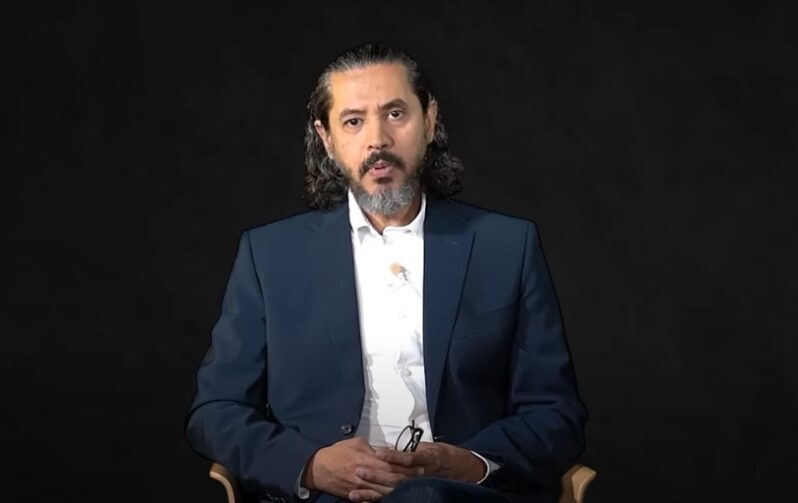
As we mark one year since the arrest of Abdul Rahman Youssef al-Qaradawi, a poet and Egyptian-Turkish activist, on December 28, 2024, in Lebanon, the circumstances surrounding his detainment expose a troubling pattern of state complicity and forced disappearances. This incident not only breaches Lebanese law but also reflects severe violations of international obligations, signaling a concerning trend of politically motivated repression that crosses borders.
The Circumstances of His Arrest
On December 28, 2024, Lebanese authorities detained Abdul Rahman Youssef al-Qaradawi based on an extradition request from Emirati officials, primarily due to his exercise of free speech. Despite the absence of credible legal guarantees and clear warnings about the life-threatening risks he faced if extradited, the Lebanese Cabinet made an urgent decision on January 8, 2025, to forcibly transfer him to the United Arab Emirates. This act starkly contravenes the principle of non-refoulement. On that same day, his lawyer submitted a petition to the State Council, Lebanon’s highest administrative court. Subsequently, on October 23, 2025, the State Council issued ruling 43/2025-2026, dismissing al-Qaradawi’s appeal against the extradition decree.
Concerns Raised by International Bodies
On January 6, 2025, an urgent call was made to the Lebanese government by UN Special Procedures mandate holders, expressing grave concerns about the potential for torture or mistreatment, enforced disappearance, arbitrary detention, and violations of fair trial rights that al-Qaradawi could face if extradited to Egypt or the UAE. Since his extradition, communication between al-Qaradawi and his family and lawyer has been completely severed, with only two brief family visits allowed in March and August 2025, each lasting no more than ten minutes. These visits occurred in undisclosed locations under conditions that lacked transparency regarding his detention.
The Role of the Authorities
The responsibility for these violations extends beyond Emirati authorities; it implicates Lebanese officials who disregarded their international obligations by proceeding with al-Qaradawi’s extradition, fully aware of the serious and documented risks of torture and mistreatment he faced. Notably, Abdul Rahman Youssef al-Qaradawi holds Egyptian citizenship and Turkish nationality. Rights organizations warn that his extradition sets a dangerous precedent, posing a direct threat to the safety of exiled dissidents and human rights defenders.
Calls for Action from Rights Organizations
Signatory organizations express alarm over the limited public role taken by Turkish authorities in advocating for Abdul Rahman Youssef al-Qaradawi, despite his Turkish citizenship. These organizations emphasize the critical need for countries to fulfill their responsibilities in protecting their citizens abroad, including obtaining clear information regarding detainees’ locations and legal status, securing regular consular visits, and ensuring the physical and psychological safety of detainees, especially those at high risk of prolonged solitary confinement or total isolation from the outside world.
In light of these concerns, the organizations have made several demands:
- To Emirati authorities:
- Reveal the immediate location and legal status of Abdul Rahman Youssef al-Qaradawi.
- End his arbitrary detention and release him unconditionally unless credible evidence of a lawful crime is presented.
- Cease prolonged solitary confinement, ensure humane detention conditions, and permit regular communication with his family and lawyer.
- Initiate an independent investigation into all violations he has faced and ensure accountability for those responsible.
- To Lebanese authorities:
- Conduct an independent and transparent investigation into the circumstances surrounding his arrest and extradition decision, holding accountable those who flouted the non-refoulement principle.
- Review extradition policies to ensure they align fully with Lebanon’s international obligations.
- Refrain from relying on unverified diplomatic assurances in extradition cases, given their failure to protect human rights.
- To Turkish authorities:
- Intensify efforts to monitor Abdul Rahman Youssef al-Qaradawi’s situation as a Turkish citizen, taking suitable diplomatic and consular steps to protect his rights and seek his release.
- Ensure unimpeded and regular consular visits and obtain reliable information regarding his detention and legal standing.
- Closely monitor his mental and physical well-being, given the alarming indicators related to his confinement conditions.
- Utilize all available diplomatic and legal channels to help safeguard his fundamental rights, per Turkey’s international obligations, including the Vienna Convention on Consular Relations.
The signatory organizations include multiple human rights entities, ranging from the Egyptian Human Rights Forum (EHRF) to the Arab Foundation for Support of Civil Society and Human Rights, collectively advocating for transparency, accountability, and respect for human rights in this troubling case.