
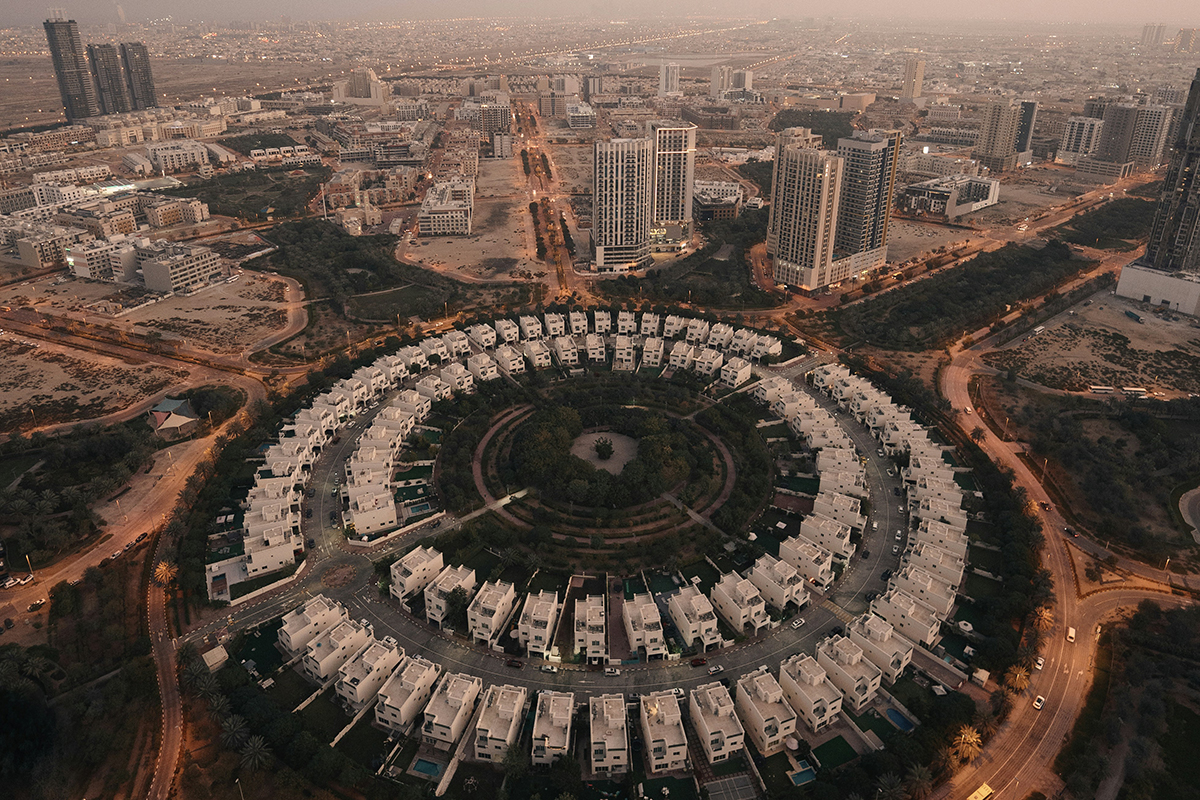
In the ever-evolving landscape of Dubai real estate, first-time buyers are increasingly eyeing communities such as Jumeirah Village Circle (JVC), Meydan, and Dubai Marina. A recent report highlights these areas as leading property choices that offer both affordability and promising rental yields, making them ideal for those new to the market. As more investors seek opportunities in these vibrant locales, understanding the dynamics driving demand is essential.
A new report by Chestertons MENA has identified six rapidly growing residential communities in Dubai where new buyers are discovering both affordability and impressive rental yields, with some locations recording returns as high as 7.39 percent.
The real estate consultancy notes that a combination of enhanced infrastructure, favorable off-plan pricing, and supportive buyer initiatives is fueling demand in areas like Jumeirah Village Circle (JVC), DAMAC Island, Dubai South, Meydan City, Dubai Marina, and Downtown Dubai.
“These aren’t just affordable entry points; they’re smart long-term investments,” remarked Mania Merrikhi, Chief Operating Officer and Managing Director at Chestertons MENA. “Demand is increasingly driven by younger and international buyers seeking lifestyle, value, and long-term growth.”
Leading the list is Jumeirah Village Circle (JVC), which boasts yields of 7.39 percent, with average prices hovering around AED 1,238 per sq. ft. Similarly, DAMAC Island, an off-plan development, provides attractive returns at 7.38 percent, with units available from AED 823 per sq. ft.
Both Dubai South and Meydan City shine in this market as well, offering average yields of 6.77 percent and 7.14 percent, respectively. Both communities benefit from meticulously planned infrastructure and appealing options for families. Even in more central, upscale areas like Dubai Marina and Downtown Dubai, yields remain competitive at 6.24 percent and 6 percent, indicating sustained investor interest across various price points.
Market Shift Favors Master-Planned Suburbs
The report points to a significant shift in buyer behavior, as demand transitions from traditional luxury hubs to well-connected, suburban-style communities.
With central land becoming increasingly scarce, developers such as Emaar and Binghatti are intensifying their efforts on new master plans, while government entities like the RTA and Dubai Land Department continue to invest in long-term development.
“Full-service communities that provide convenience, amenities, and affordability are becoming the new standard,” stated Mohamed Mussa, Executive Director of Chestertons MENA.
“We’re also observing a new wave of family-oriented investors entering the market, aided by more flexible lending options and policy support.”
First-time buyers stand to benefit significantly from reduced down payment requirements and collaborations between developers and banks, which have lowered the barriers to entry. These developments resonate with the UAE’s overarching economic diversification strategies, including the emirate’s D33 agenda—an initiative aimed at fostering sustained urban and financial growth through 2033.
While Dubai remains a focal point for these investments, Chestertons also highlights a growing interest in Abu Dhabi, where large-scale infrastructure projects and new residential schemes are attracting cross-emirate investment.