
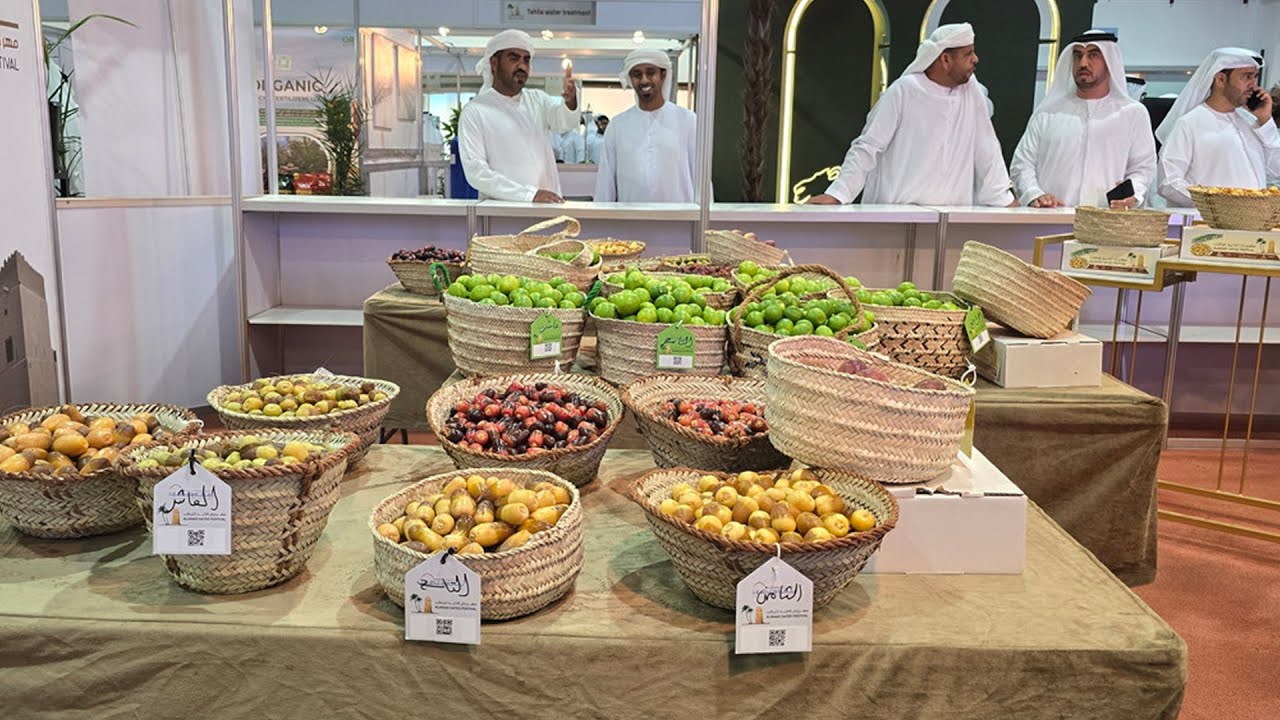
The 9th Al Dhaid Date Festival Kicks Off with Wide Participation from Farmers and Palm Owners
The Al Dhaid Date Festival has commenced its ninth edition, attracting a diverse group of farmers and palm owners, reflecting the growing importance of this annual event in the Emirate of Sharjah. The festival combines a love for agricultural heritage with a focus on innovation, featuring significant participation from numerous local and federal departments and institutions, enriching the experience for both farmers and visitors alike.
Diverse Activities Add a Unique Flavor to the Festival
His Excellency Mohammed Ahmed Amin Al Awadhi, Director General of the Sharjah Chamber of Commerce and Industry, stated that this year’s Al Dhaid Date Festival stands out with enhanced participation from productive families, introducing the “Young Farmer” competition for the first time. This competition reflects the efforts made to ensure the sustainability of agricultural culture within the community.
Introductory Workshops and Youth Initiatives
Al Awadhi added that the festival management organized workshops highlighting the blessed tree, the date palm, and its vital role in Emirati culture. Additionally, the Sharjah Youth Forum was launched to encourage the younger generation to engage in palm cultivation and date production, thereby strengthening the future of this important sector.
Exciting Competitions Enhance Audience Engagement
The festival features multiple competitions such as “Home Dates,” “Lemon and Fig,” and “Kharif Dates,” along with the judging of Khenaizi, Khalas, and Shishi dates. Competitions like “Al Dhaid General Elite” and “Al Dhaid Elite for the Northern Emirates” add a competitive dimension that enriches the experience for visitors and participants.
The 9th Al Dhaid Date Festival highlights cultural values and the art of agriculture, reinforcing the community’s role in supporting this historical heritage. Clearly, this event will be a milestone in strengthening the connections between farmers and relevant authorities, as well as engaging new generations in preserving this agricultural identity.