
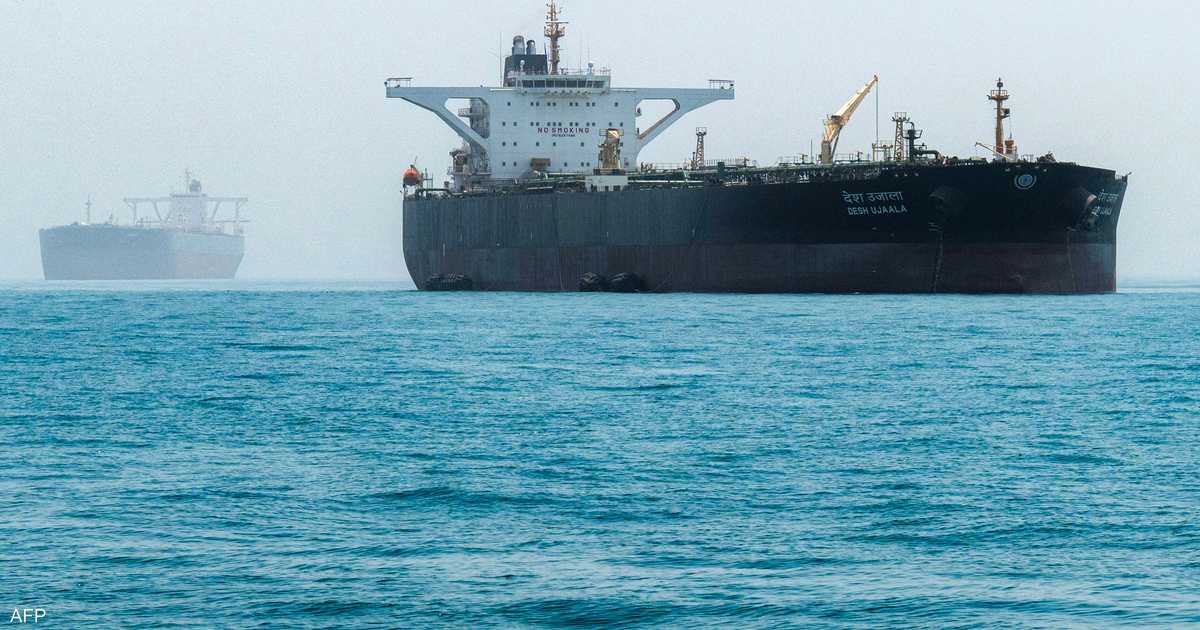
Satellite imagery reveals extensive oil slicks across the Gulf, with scientists observing a marked increase in surface pollution in March 2026 compared to the same period last year. Oceanographer Brian Barnes noted that the amount of oil detected on the surface of the Arabian Gulf was nearly double the expected level, reflecting the widening scope of this environmental crisis.
These observations indicate that the impacts of such strikes are not limited to the immediate targets. Pollutants can travel significant distances, affecting coastal areas far removed from the original sites of the attacks. This poses increasing threats to marine life, as the Gulf is home to various species of turtles and fish, as well as vital populations of dugongs and whale sharks that are particularly vulnerable to pollution.
The Threat During Breeding Season
The risks are exacerbated by the timing of the conflict coinciding with the spring breeding season for many marine creatures, as seagrass beds, coral reefs, and mangrove forests provide critical habitats for feeding and reproduction. Scientists warn that the recovery of these ecosystems is far from guaranteed, with potential losses extending beyond immediate economic damages to include declines in biodiversity and the loss of natural habitats that are difficult to recover.
The geographical nature of the Gulf compounds the crisis. Its relatively shallow waters and limited size mean it connects to the open ocean only through the Strait of Hormuz, hindering rapid dispersal of pollutants. Experts caution that leaked oil may gradually move between coastlines due to water movement, potentially revealing its effects months or years later in nations that were not directly involved in the attacks.
The Gulf War as a Cautionary Tale
The Gulf War in 1991 serves as a forewarning, where the burning of hundreds of Kuwaiti oil wells led to widespread environmental disaster, with traces of oil pollution still evident in some coastal areas. The peril extends beyond marine life and shorelines since Gulf countries rely heavily on desalination of seawater to meet the needs of their populations. Therefore, water pollution poses a potential threat to drinking water supplies.
If oil pollutants reach desalination plants or their intake points, it could complicate treatment processes, raise costs, and increase pressures on countries that heavily depend on these resources. At the same time, ongoing warfare threatens the Gulf’s value as a natural laboratory for understanding the future of marine environments under climate change, as environmental damages could undermine ecosystems that have adapted to higher temperatures.
“>