
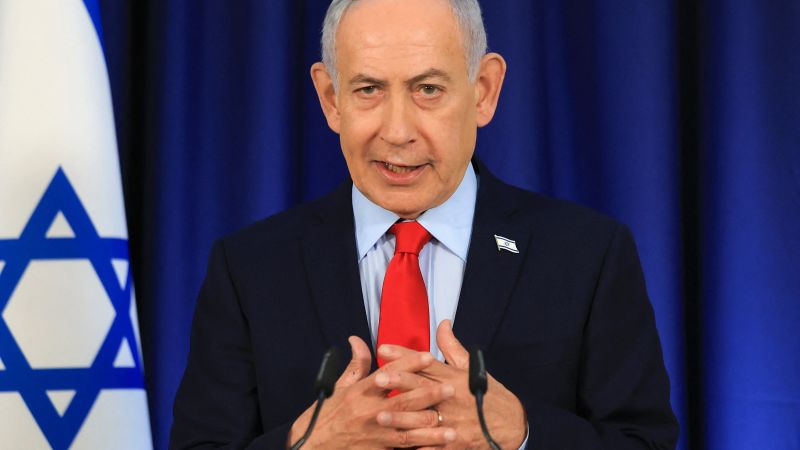
Israeli Prime Minister Benjamin Netanyahu recently shared critical intelligence information regarding Iran’s nuclear programme with the President of the United Arab Emirates, Sheikh Mohammed bin Zayed, during a visit to the UAE on Sunday. This revelation indicates that Iran is allegedly resuming development efforts related to its nuclear capabilities.
Details of Intelligence Shared
Among the intelligence details disclosed by Netanyahu were new construction activities at the “Mount Fakhas” site, located approximately 225 kilometres south of Tehran. This site is viewed as a pivotal location in Iran’s potential efforts to rebuild its nuclear programme.
Focus on Regional Cooperation
According to an Israeli source privy to the visit, discussions between Netanyahu and Sheikh Mohammed primarily revolved around the Iranian issue, an area in which both nations have reinforced their cooperation, particularly in light of the ongoing conflict surrounding Iran. The UAE’s official news agency, WAM, confirmed the meeting, noting that the leaders discussed “bilateral relations between the UAE and Israel and ways to enhance and develop them.”
Netanyahu’s office reiterated that the meeting centred on “strengthening relations between the two countries and regional challenges.” Notably, the visit was attended by key individuals including Netanyahu’s wife, the National Security Council head, the head of the Mossad, a military secretary, and a political advisor.
Security Concerns and Recent Developments
Interestingly, the meeting included a high-ranking Saudi security official, according to two sources familiar with the visit. The discussions also covered recent regional developments, such as the situation concerning the Houthi militia in Yemen and the geopolitically critical Bab el-Mandeb Strait near the Red Sea, as well as the strategic Strait of Hormuz.
During these discussions, Netanyahu expressed concerns that Israel believes Iran may launch an attack in the region within the coming weeks. This briefing comes amid speculation and criticism just a month ahead of the scheduled Israeli elections on October 27, amid a heated political discourse fueled by reports from Israeli and international media.
Controversial Warnings and Political Fallout
Reports from Haaretz and The New York Times have suggested that Sheikh Mohammed bin Zayed warned Netanyahu of a major operation planned by Hamas just days prior to the October 7 attack. In a related account, The Atlantic revealed that the head of Egyptian intelligence, Abbas Kamel, flew to Israel on September 26 to caution that the situation in Gaza was on the brink of “exploding.” The Wall Street Journal also reported that Egypt issued at least three warnings regarding Gaza to Israel, with the most recent being a phone call to Netanyahu just days before the attack.
Despite these claims, Netanyahu has consistently denied receiving any warnings, labelling the reports as fabricated attempts to undermine him politically. On Monday, he wrote on the platform X, formerly known as Twitter, stating, “I have never met the Egyptian intelligence chief nor spoken to him before October 7, and I did not receive any warning.” He further alleged that hostile foreign powers, including Arab states, were behind these “false and inciting” claims.
Opposition’s Response
In light of these allegations, Netanyahu’s opponents have seized the opportunity to make the issue of accountability regarding the failure to prevent the October 7 attack a central theme in their electoral campaign. Gadi Eisenkot, a key contender in the upcoming elections, stated on Saturday that the revelation of the warning left no doubt that Netanyahu had led Israel “towards the greatest catastrophe in its history due to blindness, arrogance, and irresponsibility.”
Following initial reports of Sheikh Mohammed bin Zayed’s warning, the UAE’s foreign ministry stated earlier this month that it does not comment on media reports or speculation about conversations between government leaders but has not denied the occurrence of such a call. The ministry affirmed that all relevant intelligence information is shared between concerned parties as needed.
Both Israel and the UAE have refrained from mentioning the alleged warning related to October 7 in their statements regarding Netanyahu’s visit. It has also been reported that Israel deployed its Iron Dome missile defence system in the UAE during the conflict, with officials indicating that security cooperation between the two nations has reached unprecedented levels.