
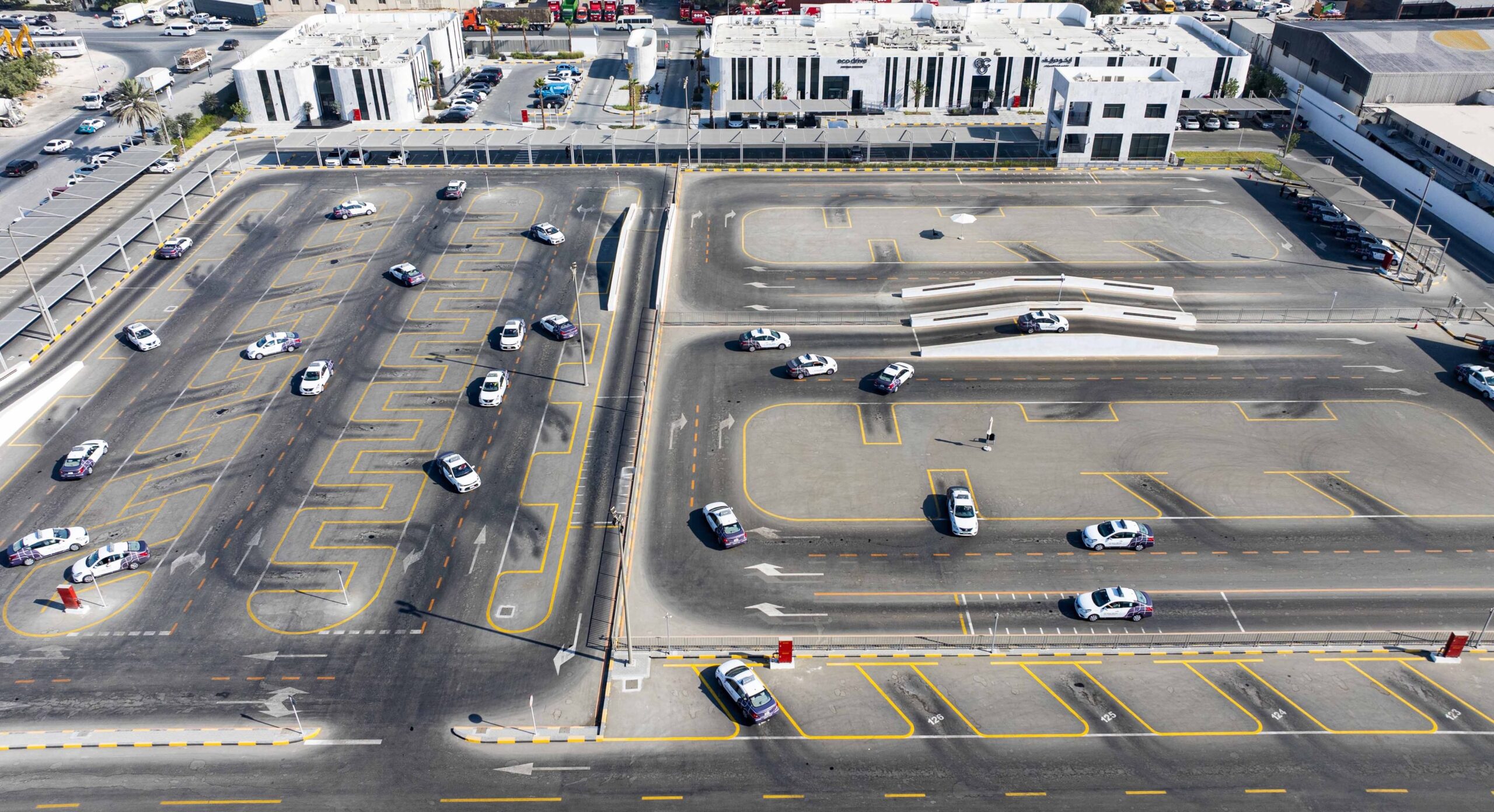
The Roads and Transport Authority (RTA) in Dubai is advancing its driver licensing services through the implementation of the innovative Smart Test System (STS), which leverages cutting-edge technology for smart driving tests. This new system aims to enhance the accuracy and impartiality of evaluations, increase transparency and fairness, and improve the overall experience for users, all while promoting road safety by monitoring behaviours associated with safety during tests and enabling preventative interventions in the presence of potential hazards.
Enhancing Evaluation Standards
According to Sultan Al Akraf, Director of the Driver Licensing Department at the RTA, the development of the new Smart Test System marks a significant advancement in the authority’s journey towards smart transformation in the driver licensing sector. He stated, “The implementation of the new system aims to ensure that trainees are assessed according to standardised and precise criteria, mitigating discrepancies in evaluations and enhancing customer trust in the outcomes of tests, thus providing a more transparent and clear experience.”
Innovative Features for Safety and Clarity
Al Akraf further elaborated that the system does not solely automate the result calculation process. It provides a comprehensive framework for monitoring and analysing trainee performance during various manoeuvres, displaying recorded errors clearly and visually. This feature enables users to understand the rationale behind their results and identify areas requiring improvement. Additionally, the safety technologies embedded in the system protect trainees during assessments through collision prevention systems and AI-supported emergency braking, significantly reducing the likelihood of accidents and transforming the testing process into a safer and more controlled environment with a strong emphasis on risk prevention.
The Role of Advanced Technology
The latest version of the Smart Test System utilises advanced artificial intelligence technologies within test vehicles to monitor compliance with testing and safety standards. To further enhance safety measures, an automatic preventative braking system has been developed for testing zones, allowing for automatic intervention when potential collision scenarios arise, thus safeguarding all participants during the testing process.
By integrating these advanced technologies into the evaluation system, the RTA aims to foster an environment that prioritises both trainee experience and public safety, contributing to the overarching goals of improving road safety across Dubai.