
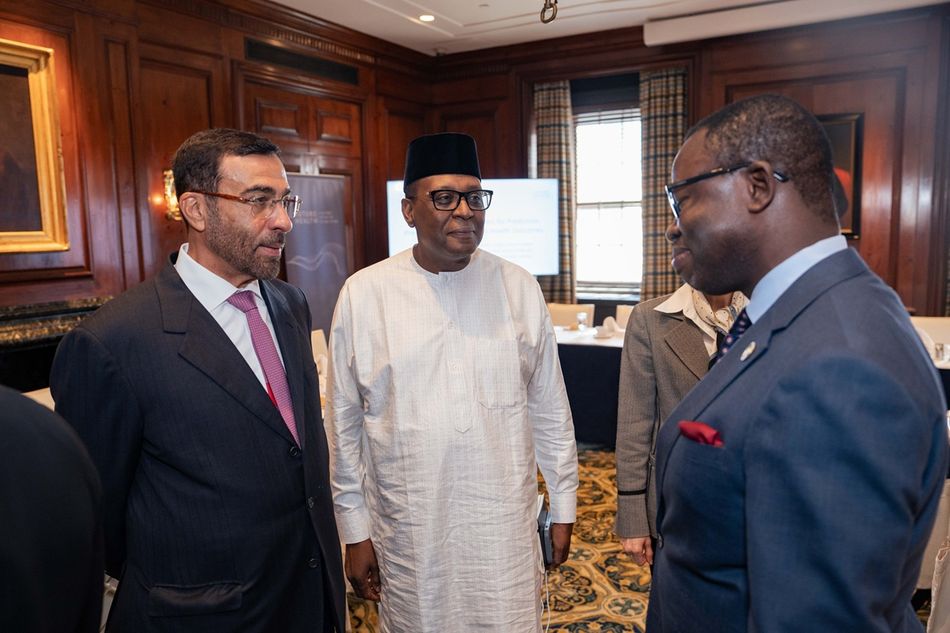
The Future of Health initiative, a global platform based in Abu Dhabi, facilitated a high-level dialogue in New York on the sidelines of the 81st United Nations General Assembly. This pivotal conversation saw the participation of prominent health ministers, government officials, and leaders in the health sector from 15 different countries. The focus was on developing robust health systems capable of proactively predicting and mitigating health risks while supporting disease prevention and early intervention at the population level.
Shared Priorities for Health Systems Development
During the meeting, participants identified essential factors for transforming early visions into actionable procedures, highlighting the need for population health data, adequate funding, and the necessary resources to deliver effective services. The discussion underscored the importance of trust, community engagement, and designing solutions that cater to diverse needs, ensuring equitable and effective utilization of early interventions.
Proactive Health Systems Under Discussion
Leading the dialogue was His Excellency Ahmed Al-Sayegh, the UAE Minister of Health and Prevention, who, alongside representatives from countries including Angola, Brazil, Ethiopia, Finland, Guyana, Indonesia, Madagascar, Mali, Nigeria, Rwanda, Sweden, the UK, Tanzania, and the USA, explored practical priorities for health system development. The meeting revealed four common requirements among the participating nations: the necessity of health data for early risk detection, supportive financing and incentives for prevention, the enhancement of health system capabilities to translate visions into timely services, and the establishment of reliable, comprehensive systems that extend their services to all community segments. Participants affirmed that preventative measures represent a crucial investment in human capital.
Transitioning from Detection to Action
Speaking at the event, Minister Al-Sayegh remarked, “Directing resources and investing in enhancing preventative measures is an investment in human quality of life and the future of our communities. Scientific advancement gives us a deeper understanding of risks, compelling us to translate this knowledge into early actionable procedures that yield better health outcomes. The UAE continues to collaborate with international partners, exchanging expertise and strengthening joint efforts to create health systems that elevate population health in the long term.”
Implementation of Innovative National Programs
The dialogue, titled “Redesigning Health Systems: From Responding to Illness to Anticipating Needs to Enhance Prevention and Improve Community Health,” aimed at discussing how health systems could leverage scientific advancements and move from experimental projects to broad implementation of solutions in communities. Participants asserted that the success of preventative measures is closely linked to individuals’ living and working environments, supported by a community structure that fosters daily prevention efforts and enables rapid responses to disease outbreaks. Key challenges addressed included ensuring equitable access to early interventions like health screenings, referrals to care services, affordability, and actual accessibility of services.
Abu Dhabi’s Practical Approach to Prevention
Dr Ahmed Al-Khazraji, Executive Director of the Healthy Life Unit at the Department of Health – Abu Dhabi, presented how Abu Dhabi operationalises the concept of prevention through the “Healthy Life Strategy.” This initiative integrates the emirate’s capabilities in health data, life sciences, and collaborative efforts across various sectors, implemented in everyday environments influencing individual choices, including communities, workplaces, and schools.
Calls for Continued Global Dialogue
Dr Al-Khazraji stated, “The ability to detect risks early represents a significant advancement, but insights and data alone are insufficient to improve community health. We must address the determinants impacting human health even before individuals reach the point of needing clinical visits. In Abu Dhabi, governmental and private sector efforts aim to make healthy choices more accessible in daily life, whether through the availability of nutritious foods in supermarkets and restaurants or providing better opportunities for children to engage in healthy eating and physical activity in schools. In this way, prevention shifts from a target to a tangible practice with widespread impact.”
Future Health Initiative’s Commitment to Collaboration
The Abu Dhabi Future of Health initiative is committed to fostering global collaboration, operating year-round as a platform that unites governments, innovators, researchers, and investors to develop health solutions and expand their application. Hadley Gamble, the International Broadcaster of IMI Media, moderated the discussion, which underscored the 2026 Future of Health theme: “Towards Health Systems that Proactively Sense Risks.”
Conclusion and Upcoming Events
The meeting set the stage for future collaborations with participants, including calls for global health leaders to continue this constructive dialogue at the Future of Health Summit in Abu Dhabi, scheduled for October 20-22, 2026. The Future of Health initiative stands as a leading global platform for enhancing international cooperation, accelerating the development of impactful innovations that create sustainable transformations in the health sector, all under the patronage of His Highness Sheikh Khaled bin Mohamed bin Zayed Al Nahyan, Crown Prince of Abu Dhabi and Chairman of the Abu Dhabi Executive Council.
For more information, please visit www.futurehealthinitiative.ae, and follow the platform on Instagram, LinkedIn, X, YouTube, and Facebook.