
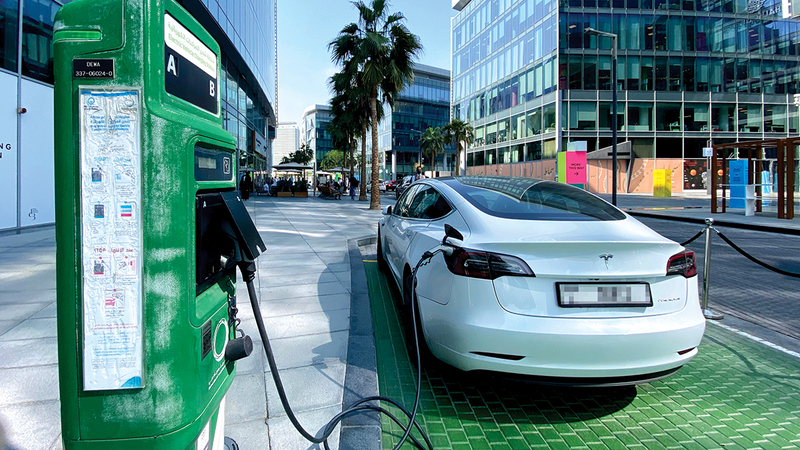
Dubai is making significant strides in the realm of electric mobility, as evidenced by the latest figures from the Dubai Electricity and Water Authority (DEWA). As of the end of the first quarter of 2026, the number of electric vehicle charging points in the city reached an impressive 2,223. Concurrently, the total number of electric vehicles registered in Dubai soared to 47,944 by the end of 2025, up from 37,486 in 2024, marking an increase of over 10,000 vehicles or approximately 28%. DEWA highlighted that these figures reflect a substantial shift towards a robust charging infrastructure, which is essential for the sustainable mobility ecosystem, necessitating ongoing development in tandem with the growth of the electric vehicle market.
Emphasising Sustainable Mobility
In a press release, DEWA pointed out the upcoming Water, Energy, Technology, and Environment Exhibition (WETEX 2026), set to take place from 20 to 22 October 2026 at the Dubai World Trade Centre. The event will showcase the transition towards sustainable mobility by integrating transport, energy, infrastructure, and technology. The “Green Mobility Zone” will highlight electric and hydrogen vehicles, charging technologies, and fleet management solutions, providing a platform for transport operators, service organisations, investors, and technology providers to explore solutions that facilitate the rapid adoption of sustainable transit options.
Charging Infrastructure: A Growing Imperative
DEWA noted that WETEX 2025 previously showcased numerous relevant technologies, including hydrogen solutions and low-emission fuels, alongside electric vehicle charging infrastructure. The authority emphasised that as the number of electric vehicles continues to rise, so does the critical need for enhanced charging infrastructure. The challenge now extends beyond merely increasing the number of charging stations; it encompasses speeding up charging times, optimising station distribution, and effectively managing loads to cater to fleets with high operational demands.
Urban Fleets Paving the Way for Electric Mobility
Public and commercial fleets are emerging as crucial testing grounds for electric mobility economics, given their regular routes and high usage rates, which allow for precise measurement of operational costs, returns, and infrastructure efficiency. In this context, DEWA and Dubai Taxi Corporation have successfully completed the first phase of a high-speed charging centre that includes 24 charging points, each with a capacity of 360 kilowatts. This facility can charge 24 vehicles simultaneously in approximately 35 minutes. This project is part of an agreement to establish over 200 ultra-rapid charging points for the taxi company’s fleet, strengthening the infrastructure supporting sustainable mobility in the emirate. Furthermore, the Dubai Roads and Transport Authority aims to transition all public transport buses to electric and hydrogen models by 2050.
Future Visions from DEWA Leadership
Saeed Mohammed Al Tayer, the Managing Director and CEO of DEWA and Founder & Chairman of WETEX, stated, “The future of sustainable mobility requires an integrated system that harmonises clean energy, advanced infrastructure, innovative digital technologies, and business models that can expedite the transition to a low-emission green economy.” He further elucidated that expanding sustainable transport options not only involves developing vehicles and advanced technologies but also necessitates providing efficient, reliable, and flexible energy supply and charging solutions.