
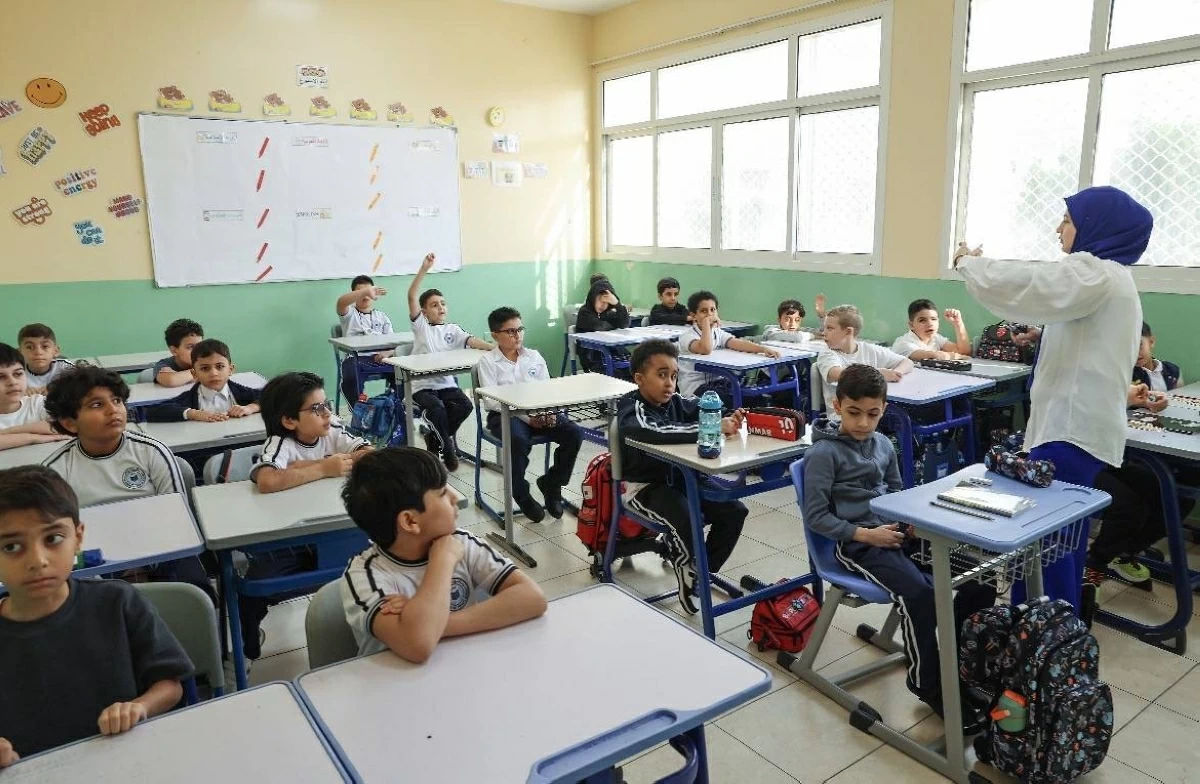
In a significant move to enhance student behaviour and discipline, schools in both the public and private sectors have circulated the Student Behaviour Management Policy for the 2026-2027 academic year. This initiative underscores the vital role students play in fostering a positive school environment grounded in commitment, discipline, and accountability.
Key Roles of Students
The policy outlines nine essential student roles aimed at promoting exemplary conduct. These include maintaining regular attendance, being punctual, taking responsibility for their learning and behaviour, and adhering to positive behavioural standards. Students are expected to respect regulations, engage responsibly with their learning environment, and treat others with courtesy.
Additionally, students are encouraged to actively participate in school life, develop both intellectual and physical skills, and represent their school positively, particularly during behaviour assessment meetings. An understanding of diverse feelings and traits among peers is crucial, enabling students to make informed decisions regarding health and safety while showing appreciation for the culture and traditions of the United Arab Emirates, as well as the values of Islam and other global cultures.
Fostering Responsibility and Respect
The policy emphasises that the student’s role extends beyond following school guidelines; it encompasses a direct responsibility for their behaviour and education. By committing to these principles, students can contribute to a secure and encouraging educational landscape that benefits everyone within the community.
Relationships among students and their peers are also stressed in the policy. It is imperative for students to recognise and acknowledge the diversity of their classmates and approach them with respect and understanding. Such interactions are essential for cultivating an atmosphere of collaboration and mutual respect within the school community.
Linking Conduct to National Identity
The initiative associates student conduct closely with national identity and societal values. Students are encouraged to demonstrate pride in the UAE’s culture and traditions, along with respectful engagement with other cultures and an appreciation for the principles of Islam that shape the UAE’s societal fabric.
Consequences for Misconduct
To maintain order, the policy categorises behavioural violations into four levels. Minor infractions, classified as first-degree offences, lead to a deduction of four points. Second-degree offences, deemed moderate, incur an eight-point penalty. Serious infractions, classified as third-degree violations, result in a twelve-point deduction, whereas fourth-degree offences, recognised as severe, can lead to a twenty-point reduction.
The Role of Parents
Parents also play a crucial role in instilling a sense of discipline in their children, continuously reinforcing the values of their faith and community, as well as their responsibilities towards the future of their country. The policy further stipulates that parents must cover the costs associated with repairing or replacing any items damaged or lost by their children, based on relevant documentation. Moreover, they are required to adhere to their responsibilities in line with the Child Rights and Protection Law.
If a parent is found negligent regarding the behaviour of their child or fails to cooperate with the school’s directives, the case may be escalated to the appropriate authorities through the legal affairs department of the ministry.
This comprehensive approach underlines the commitment to cultivating a responsible, disciplined, and respectful student body, paving the way for a positive educational journey for all learners.