
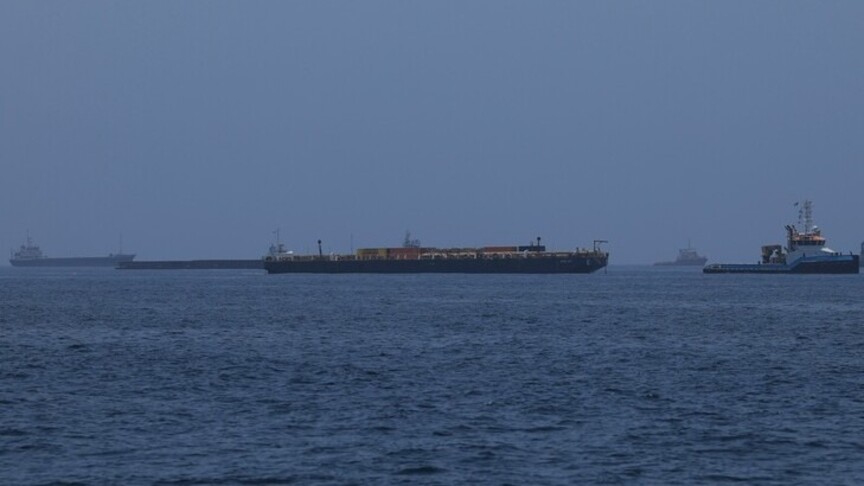
In a significant escalation of tensions in the Gulf region, the United Arab Emirates (UAE) has reported that an Iranian missile targeted an oil tanker belonging to the Abu Dhabi National Oil Company (ADNOC) while it was transiting the strategically crucial Strait of Hormuz. The incident occurred during the early hours of Saturday, 8 August 2026, but fortunately resulted in no injuries.
Details of the Incident
According to the Emirates News Agency (WAM), the ADNOC vessel was struck by a missile fired from Iran as it navigated through the strait, one of the world’s busiest maritime corridors. ADNOC confirmed the attack and reported that the situation was swiftly brought under control. The company urged the public to rely on official sources for accurate information and to refrain from sharing unverified news or rumors.
Official Condemnation
The UAE’s Ministry of Foreign Affairs issued a strong condemnation of the attack, characterising it as an “aggressive Iranian assault” that constitutes a blatant violation of United Nations Security Council Resolution 2817. This resolution emphasises the importance of preserving freedom of navigation and prohibits attacks on commercial vessels or the disruption of international maritime routes.
The ministry underscored that targeting commercial shipping and using the Strait of Hormuz as a means of economic pressure or extortion represents acts of piracy conducted by the Iranian Revolutionary Guard Corps. Such actions pose a direct threat to regional stability and global energy security.
Wider Context of Increased Tensions
This incident comes amid escalating tensions in the region, particularly in light of ongoing hostilities between the United States and Iran. Concerns about disruptions to maritime navigation and global energy supplies are rising, despite diplomatic efforts to uphold agreements on safe passage through this vital waterway.
During July, the United States launched strikes against Iranian targets, leading to retaliatory attacks by Iran on what it claimed were American military facilities in neighbouring countries, including Jordan, Bahrain, and Kuwait. Attempts to negotiate safe corridors for ships in the Strait of Hormuz have also been resumed, specifically through discussions involving Oman.
Previously, on 18 June, the US and Iran had entered a Memorandum of Understanding, embarking on negotiations aimed at reaching a comprehensive agreement regarding maritime security. However, these discussions stalled due to disagreements over ensuring the safety and freedom of navigation through the Strait, a critical conduit for global energy and trade.
Moreover, in February, the US and Israel initiated an offensive against Iran which Tehran claimed resulted in significant Iranian casualties, prompting further Iranian counterattacks against US and Israeli personnel.
Call for De-Escalation
In light of the recent events, the UAE government has reiterated the urgent need for Iran to cease all aggressive actions and adhere to commitments aimed at ensuring the safe and unconditional reopening of the Strait of Hormuz. Safeguarding regional security and economic stability is critical for the future well-being of the region and the global economy.