
The inaugural Al Ain Date Festival serves as a comprehensive cultural platform, spotlighting traditional crafts and practices linked to local environmental resources. This event showcases collaborative efforts between the Heritage Crafts Corner under the Abu Dhabi Heritage Authority and the festival’s Craftswomen Pavilion.
Celebrating Traditional Craftsmanship
This extensive area aims to bring craftsmanship to life for the audience, detailing various techniques while expanding the range of displayed products and their uses. The overarching goal is knowledge transfer, ensuring the continuity of practices, and enhancing the presence of traditional products.
Live Demonstrations of Heritage Skills
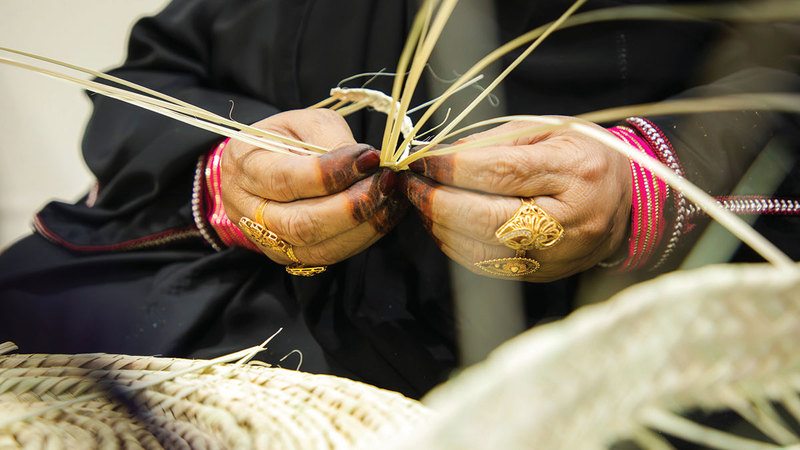
Craftswomen in the Heritage Crafts Corner demonstrate their skills live, engaging the audience through the intricate processes of weaving with palm fronds, traditional ‘sadu’ weaving, and ‘talli’ embroidery. They provide detailed explanations of material selection, preparation, colour coordination, and decorative embellishments, resulting in beautifully finished pieces. This live display reflects the accumulated expertise passed down through generations, ensuring the durability of the craft and the coherence of its patterns.
The Significance of Palm Frond Crafts
The craftsmanship surrounding palm fronds holds exceptional importance at a festival celebrating the date palm and its fruits. The Emirati community has long relied on palm fronds to produce a variety of items, including baskets, mats, and food storage tools. This craft involves drying, softening, and colouring the fronds before weaving and shaping them according to specific functional requirements. This process exemplifies the Emirati ability to efficiently utilise their environmental resources.
Diverse Craft Practices on Display
The Craftswomen Pavilion continues to uphold this traditional narrative by showcasing a broader spectrum of practices such as yarn spinning and weaving, particularly the manual ‘sadu’ technique which transforms wool fibres into durable fabrics adorned with geometric patterns. Historically, these textiles have been vital for bedding and household items in nomadic lifestyles. Additionally, the pavilion features the production of ropes and essential tools for homes and farms, all derived from palm leaf fibres.
A Capsule of Cultural Expression
The variety of exhibits within the pavilion also encompasses crafts associated with women’s clothing and adornment, such as ‘talli’ embroidery, traditional dressmaking, and the crafting of the ‘burqa.’ These practices blend sewing, embroidery, and colour harmony into intricate designs. Moreover, visitors can explore a section dedicated to henna, ancient perfumes, and flower crafting, providing a comprehensive insight into social occasions and domestic life.
Engaging Future Generations
This immersive experience, combined with diverse exhibits, aims to introduce visitors to traditional crafts in practice, which subsequently tie into the various associated products, fashions, and tools. Accompanying workshops further bridge this knowledge gap for children and youth, while offering promising opportunities for craftswomen and local producers to develop traditional products with contemporary functional and aesthetic appeal, thereby ensuring the survival of these crafts and broadening their visibility.