
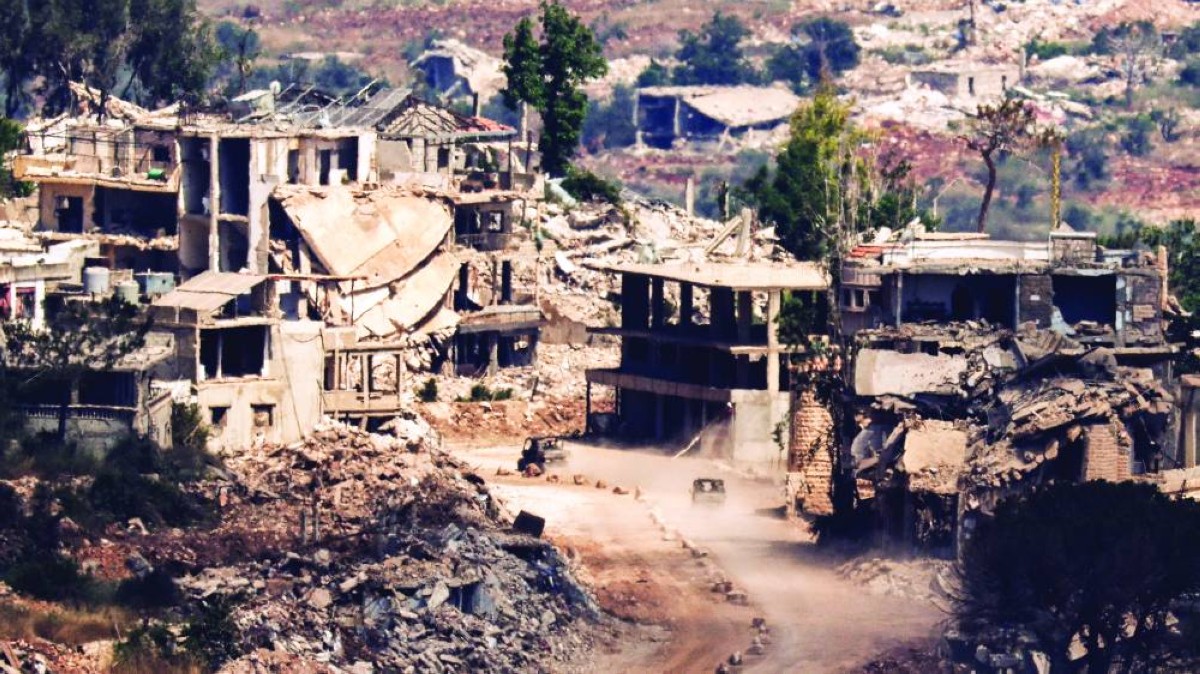
The recent framework agreement between Israel and Lebanon has garnered considerable international support, marking a significant diplomatic triumph and a crucial step toward de-escalation. This agreement has sparked calls for constructive action aimed at fostering long-sought security and stability for both nations. The welcoming reactions highlight the potential this accord holds for reshaping regional relations and reinforcing state authority.
International Praise for the Framework Agreement
Israeli Prime Minister Benjamin Netanyahu hailed the agreement with Lebanon as a historic achievement, asserting that it delivers a substantial blow to Iran and Hezbollah. “We have reached a historic agreement for Israel following direct negotiations between Israel and Lebanon,” Netanyahu remarked during a televised briefing, underscoring the significance of the framework agreement.
Official Reactions from Lebanon and Neighboring States
Lebanese Foreign Minister Youssef Raji emphasized that the framework agreement with Israel symbolizes a victory for diplomatic solutions, prioritizing the rationale of state institutions above all else. Raji expressed his profound gratitude for Jordan’s steadfast support during a phone call with Jordan’s Deputy Prime Minister and Foreign Minister, Ayman Safadi, who congratulated Raji on the signing of the agreement. He noted his hope that this framework will benefit Lebanon and its people, contributing to a restoration of stability and the consolidation of state sovereignty.
Egypt’s Foreign Minister Badr Abdelattie reiterated his nation’s total support for the Lebanese government and its policies aimed at affirming state authority throughout the country. In a conversation with Lebanese Prime Minister Nawaaf Salam, Abdelattie commended the agreement, underscoring the importance of gradual withdrawals by Israel from the regions under its control, enabling the Lebanese army to reinforce state authority across all territories. He insisted that this agreement is an essential starting point toward broader aspirations for regional peace.
International Commitment to Support Implementation
France announced its commitment to helping implement the agreement, urging that it should pave the way for the restoration of complete Lebanese sovereignty. A spokesperson for the French Ministry of Foreign Affairs stated, “In line with its commitment to the security of both Israel and Lebanon, and its engagement in maintaining peace in southern Lebanon, France is fully prepared to assist in actualizing the framework agreement and achieving all its objectives.”
German Foreign Minister Johann Wadewilu shared his optimism regarding the agreement, encouraging all parties, particularly Hezbollah, to act constructively. He asserted on a social media platform that real stability and enduring peace can only be achieved if all parties take responsibility. Wadewilu further noted that the agreement enhances the security of Lebanon and Israel, relying on direct understanding and opening avenues to end a longstanding conflict.
Regional Implications and Developments
Ahead of the agreement, Israel conducted a strike in southern Lebanon. The National News Agency reported that an Israeli drone attack targeted Nabatiya Fawqa, which lies outside a security zone, resulting in one death and two injuries. Israeli Defense Minister Israel Katz announced that the military has been instructed to prepare for a prolonged presence in the areas under its control in southern Lebanon. He stated, “The important principle established in the agreement is that there will be no redeployment of Israel in southern Lebanon or withdrawal as long as the terrorist organization Hezbollah is not disarmed throughout Lebanon.”
As the framework agreement between Israel and Lebanon unfolds, the regional dynamics are poised to shift, potentially ushering in a new era of cooperation and peace, while also bringing heightened scrutiny to actions taken by all involved parties.