
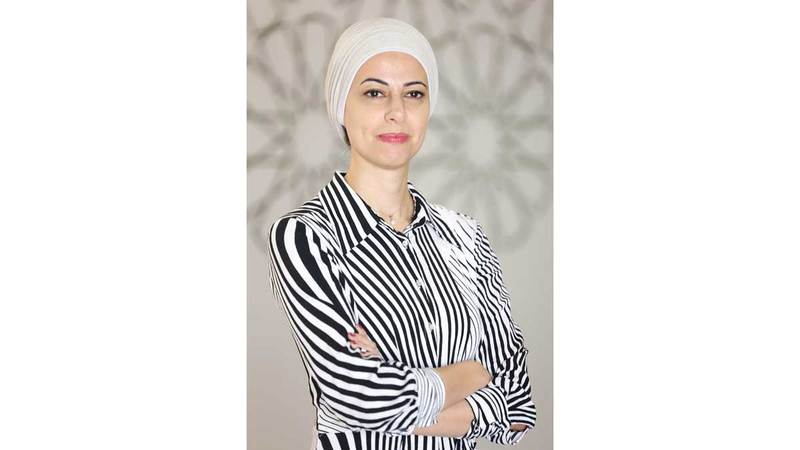
In a world where the emotional landscapes of older generations are often overlooked, the project initiated by Jordanian resident Sousan Shalabi shines a light on the crucial need for mental health support among the elderly. The initiative, known as “Rafiq Connect,” embodies her determination to foster a sense of belonging among seniors, particularly in challenging times when their stories often remain unheard. This heartfelt endeavor aims to address the common narrative—تؤلمني قصص آباء نسيهم أبناؤهم—by providing companionship and mental stimulation to those forgotten by their own families.
A Compassionate Initiative
During her interview with “Emirates Today,” Sousan reflected on the origins of her project, driven by her lifelong experiences with the elderly in her home country. She expressed a unique affinity for engaging with seniors, relishing the opportunity to hear their stories—even when repeated—because they long for someone to listen. “What pains me most in this field are the stories of parents who have been forgotten by their children,” she lamented. This stark realization compelled her to create a project that unites generations and restores the dignity of the elderly.
Service Offerings
Rafiq Connect offers a paid service that enables families to request a companion for their elderly loved ones. This service transcends traditional medical or nursing care, focusing instead on providing mental and emotional support. “Our aim is to stimulate their cognitive abilities and prevent lethargy, ensuring that seniors remain passionate about life and actively engaged with their communities,” Sousan explained. The initiative includes various activities, such as social visits, outdoor experiences, and even online sessions that allow families living abroad to maintain continuous contact with their relatives. Each session lasts at least an hour and can extend for several months based on individual needs.
Rigorous Selection Process
Recognizing the importance of privacy within the community, Sousan outlined her careful approach to selecting team members. “Given that this concept is relatively new in Arab societies compared to the West, we agree with families to introduce companions as ‘friends’ to preserve the social sensitivity inherent in our culture,” she stated. Many eager young individuals have applied to join the team, but Sousan emphasizes the importance of choosing professionals who understand the delicate nature of working with seniors. She assesses potential companions based on their personal stories and emotional resonance, ensuring they’re genuinely caring and trustworthy. To maintain safety, rigorous contracts and background checks are mandatory.
Timely Relevance
As she discussed the launch of her project, Sousan highlighted its timely relevance amid recent regional tensions. “In light of the recent events, our timing was excellent. It emphasizes the importance of social solidarity during crises and prioritizes the well-being of our elderly parents and mothers,” she noted. Many families have begun to realize the value of the services offered by Rafiq Connect, especially as stories of older adults disconnected from their children continue to emerge—a painful reminder of the initiative’s purpose. “I feel a profound responsibility to fill part of this void and assist them emotionally through their challenges,” Sousan added.
Future Aspirations
Looking ahead, Sousan shared her exciting plans for the future. “We have significant partnerships lined up, including participation in the upcoming Expo for People of Determination in October, aimed at reaching more seniors with special needs. Additionally, we’ve started collaborating with a private service to ensure safe transportation for elderly individuals,” she explained. Her commitment remains steadfast in reaching as many seniors as possible within the UAE, with intentions to expand into other Gulf countries in the future.
Through Rafiq Connect, Sousan Shalabi is not just addressing a critical gap in mental wellness support for the aging population but also re-evaluating the narratives around them, where the pain of their neglect—تؤلمني قصص آباء نسيهم أبناؤهم—can be transformed into stories of companionship and care.