
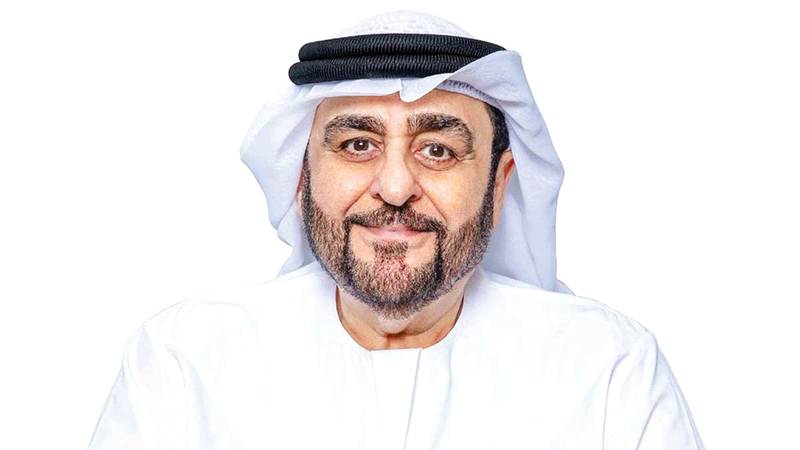
In today’s rapidly evolving job market, the traditional university model faces significant challenges. As highlighted by Dr. Mansour Al-Awar, President of Hamdan Bin Mohammed Smart University, Future universities build lifelong skills is not just a slogan but a necessity to equip learners for the skills-driven economy. This article delves into how future universities are transitioning from mere educational institutions to lifelong learning centers that emphasize adaptability, critical thinking, and continuous skill enhancement.
Redefining Higher Education
Dr. Al-Awar argues that the conventional approach of delivering knowledge within a fixed timeframe culminating in a degree is insufficient to meet the demands of the new economic landscape. He states, “Future universities build lifelong skills; we have moved from a job economy to a skills economy.” This shift necessitates a comprehensive redefinition of universities as institutions that foster ongoing capacity building and professional rehabilitation throughout an individual’s life.
Adapting to Technological Advancements
In a conversation with “Emirates Today,” Dr. Al-Awar emphasized the urgency for universities to adapt. “The question is no longer whether higher education is changing, but can universities continue to operate under the same traditional model in a world that is evolving at an unprecedented pace?” Digital economies and artificial intelligence demand educational institutions to be more agile and forward-thinking. The success of future universities will hinge on their ability to prepare students to continually adjust, self-learn, and engage in emerging job roles that may only be in their infancy.
Embracing Innovation and Collaboration
In the UAE, there is a clear vision for establishing a global knowledge economy based on innovation and technology. This vision propels higher education institutions to transition from mere knowledge transmitters to strategic partners in shaping the future. Dr. Al-Awar asserts, “At Hamdan Bin Mohammed Smart University, we believe that the future of education will not be based on traditional models but on smart, flexible, and personalized learning frameworks directly linked to human needs and market demands.”
The Future Workforce: Skills Over Degrees
While the value of a degree remains significant, the job market increasingly prioritizes competencies such as problem-solving, critical thinking, and flexibility over traditional academic qualifications. “We are gradually shifting from a job-based economy to a skills-based economy,” Dr. Al-Awar notes. This paradigm shift doesn’t eliminate academic disciplines but redesigns them to align better with real-world applications and future skill requirements.
The Role of Educators and Institutions
As universities adapt, the role of academics will also transform fundamentally. Rather than solely imparting knowledge, educators will focus more on mentorship, fostering critical thinking, and enhancing creativity. Consequently, the university’s primary role is shifting from merely providing information—an accessible resource in today’s digital age—to preparing individuals capable of analyzing data, making decisions, and innovating in an ethically responsible manner.
The path ahead for higher education is one of dynamic change and opportunity, ensuring that Future universities build lifelong skills remains a fundamental principle. By weaving together academic rigor and practical experience, future universities are poised to not only respond to changes but actively shape the future workforce.