
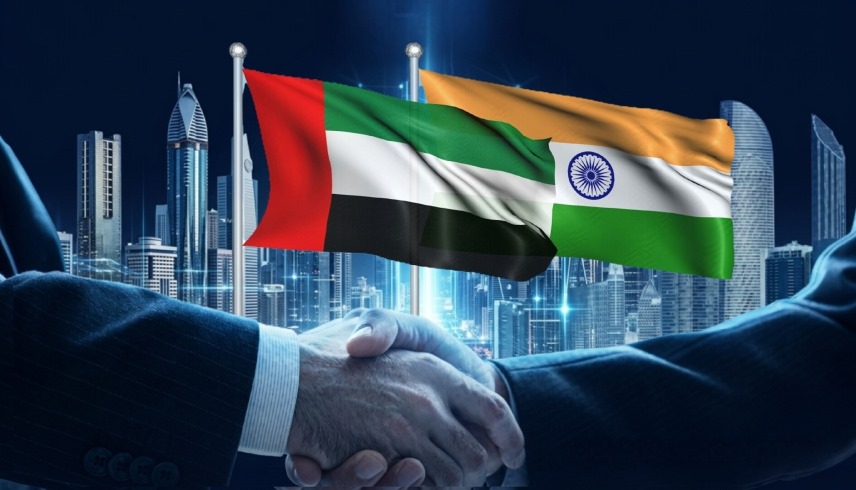
The partnership between the UAE and India has evolved into one of the most significant energy collaborations in Asia, transitioning from a traditional oil trade relationship to a forward-looking alliance focused on green hydrogen and renewable energy. As global geopolitical and economic disruptions challenge established energy markets, this collaboration represents a strategic pivot that supports both nations’ ambitions for sustainable economic growth.
Oil Security and Strategic Reserves
Energy security is a cornerstone of India’s ambitious development plans. In this context, the Abu Dhabi National Oil Company (ADNOC) plays a crucial role as a trusted foreign partner. ADNOC is the sole international investor in India’s Strategic Petroleum Reserves Limited (ISPRL), a government entity responsible for storing crude oil for emergencies. The underground storage facility in Mangalore, Karnataka, exemplifies this partnership, housing millions of barrels of ADNOC’s crude oil. The existing agreement between the two companies aims to explore increasing ADNOC’s crude oil storage capacity in India to 30 million barrels.
This expansion will not only enhance the current storage capacities in Mangalore but also seek new storage opportunities in Visakhapatnam and Chandikhole, providing India with significant strategic flexibility to meet immediate domestic demand during emergencies.
Fujairah and Smart Supply Chains
For the first time, the UAE’s vision extends to exploring the possibility of storing crude oil in Fujairah as part of India’s strategic petroleum reserve. However, this partnership is not limited to crude oil; it also explores potential storage solutions for liquefied natural gas (LNG) and liquefied petroleum gas (LPG) within India. This proactive step enhances supply chain resilience between the two nations amid challenges and disruptions in the global shipping sector.
CEPA and Investment Prospects
The Comprehensive Economic Partnership Agreement (CEPA), which came into effect in May 2022, serves as a transformative milestone, restructuring trade and investment flows between the UAE and India, placing the energy sector at the core of this new dynamic. Both nations aim to elevate non-oil trade to $200 billion by 2032, linking UAE energy security directly to Indian industrial security.
As the first bilateral trade agreement for the UAE and the first of its kind between India and a country in the Middle East and North Africa, CEPA embodies a significant achievement. The agreement emphasizes two parallel paths: the first facilitates flexible customs arrangements for oil and gas, including the elimination and reduction of tariffs to secure competitive prices for industrial inputs and raw materials vital to Indian refineries. This is complemented by robust partnerships between ADNOC and Indian Oil Corporation, establishing a strategic framework for the trading and supply of LPG.
The second path opens secure investment corridors for UAE capital and sovereign funds toward major Indian infrastructure projects, effectively linking the UAE’s petrochemical sector with Indian manufacturing aimed at export. This synergy has made UAE energy security a critical extension of India’s industrial security, illustrated through joint business summits and high-level official visits that enhance supply chain resilience across Asia.
The Green Corridor (Dubai – New Delhi)
With the UAE committed to achieving climate neutrality by 2050 and India aiming for 2070, both nations have found solid ground to establish a global clean energy corridor, driven by leading investments in solar, wind, and green hydrogen sectors. The Abu Dhabi Future Energy Company (Masdar) is at the forefront of this transition, engaging in strategic partnerships and acquisitions within the Indian market.
The UAE has made substantial investments in India’s renewable energy platforms, such as in firms like Hero Future Energies, supporting India’s ambitious plan to produce 500 gigawatts of non-fossil fuel energy. Additionally, collaboration focuses on developing facilities for producing green hydrogen and green ammonia, aimed at catering to India’s substantial market needs and generating clean fuel for export through shared maritime routes. This closely aligns with India’s ambitious initiative, “One Sun, One World, One Grid” (OSOWOG), which enjoys full Emirati support for connecting clean energy networks across borders.