
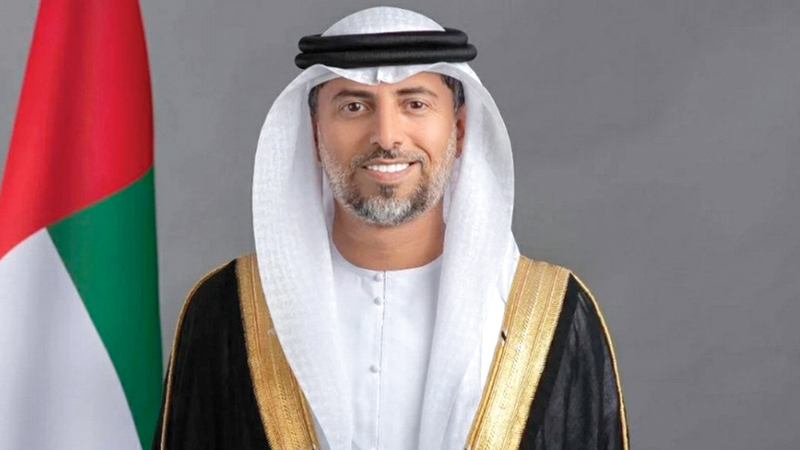
The supply and transportation system in the UAE continues to operate with efficiency and stability, as emphasized by the Minister of Energy and Infrastructure, Suhail Mohamed Faris Al Mazrouei. This robust system is supported by a comprehensive national approach that prioritizes proactivity, integration, and future readiness, showcasing the UAE’s capability to navigate regional challenges while ensuring a seamless flow of goods.
Robust Infrastructure and Logistics
Al Mazrouei noted that the resilience of the transport and supply chain system reflects a high degree of flexibility in addressing regional challenges. This has been accomplished through a versatile infrastructure that supports the sustainability of supply chains and enhances the integration of marine, land, and rail transport channels. “Since the onset of geopolitical events in the region, over 262,000 containers have been processed, with around 4,800 trucks operating daily to support connections between ports and monitoring approximately 1,200 vessels within the nation’s waters for supply and services,” he stated.
Enhancing Connectivity and Efficiency
Efforts to augment the connectivity between Gulf Coast ports and the eastern coast have been realized through a comprehensive network of trucks, facilitated by various measures including lifting movement restrictions and waiving fees. Additionally, effective regional and international collaboration has guaranteed the uninterrupted flow of goods. The management of this system is handled by the supply and transport committee, which operates under a national framework designed to enhance cooperation with the private sector and coordinate efforts across more than 20 federal, local, and operational entities.
Significant Investments in Infrastructure
Investments in infrastructure have significantly boosted the readiness of the UAE’s supply system. Al Mazrouei pointed out that the capacity of eastern coast ports has been increased twentyfold, while the number of daily trucks has surged thirtyfold. Furthermore, the number of cooling points has escalated from 490 to over 2,400, with an increase in crane numbers exceeding 30. This expansion has also provided additional storage space exceeding seven million square meters. Notably, provisions have been made for bulk cargo ships arriving from the Gulf countries to efficiently unload over 2.8 million metric tons at the Port of Fujairah.
A Collaborative Effort for Operational Excellence
Mohamed Al Mansoori, Assistant Undersecretary for Infrastructure and Transport, mentioned how flexible measures offered to transport companies directly support the logistics sector’s efficiency during the current phase. These initiatives include activating alternative routes and lifting restrictions on truck movements between ports, expediting transport operations and reducing travel times. He added that exemptions from tolls on the routes linking the eastern coast to other ports, as well as the activation of customs corridors, have aided in streamlining procedures.
The seamless logistics operations reflect a high level of integration within national work among federal, local, and operational entities. This integration contributes to the efficiency and sustainability of the country’s ports, ensuring the continuous flow of goods and services according to top preparedness standards. The eastern coast ports serve as a strategic pillar within the national system, establishing the foundation for diverse supply chain routes while reinforcing the UAE’s standing as a regional logistics hub and key player in global trade.
Mohammad Juma Al Shamisi, CEO of Abu Dhabi Ports, highlighted the critical role of national carriers in supporting the continuity of supply chains. He recognized that the high readiness of the national fleet and operational flexibility have ensured the efficient and stable flow of goods during emergencies. This has not only enhanced supply security but also solidified the UAE’s position as a reliable hub for maritime trade globally.
Abdullah bin Dumaithan, CEO of the Ports, Customs, and Free Zone Authority in Dubai, echoed similar sentiments by expressing that the advanced operational metrics achieved by the UAE reflect its capacity to adapt efficiently to rapid changes in global trade. The flexibility of supply chains, increased container handling rates, and improved inter-port connectivity exemplify the integration of the national logistics system.
Additionally, Shadi Malek, CEO of Etihad Rail, emphasized the pivotal role of the national railway network in enhancing the integration of the UAE’s transport system. The railway network has effectively connected ports with land outlets and logistics zones, bolstering trade movement within the country and the region. This has become especially apparent since the commencement of freight train operations in February 2023, delivering substantial economic benefits and facilitating growth.
The United Arab Emirates clearly exhibits a uniquely resilient and well-integrated system of supply and transportation—attributes that not only showcase the strength of its infrastructure but also reflect the determination and unity of its people in supporting the nation’s broader economic ambitions.