
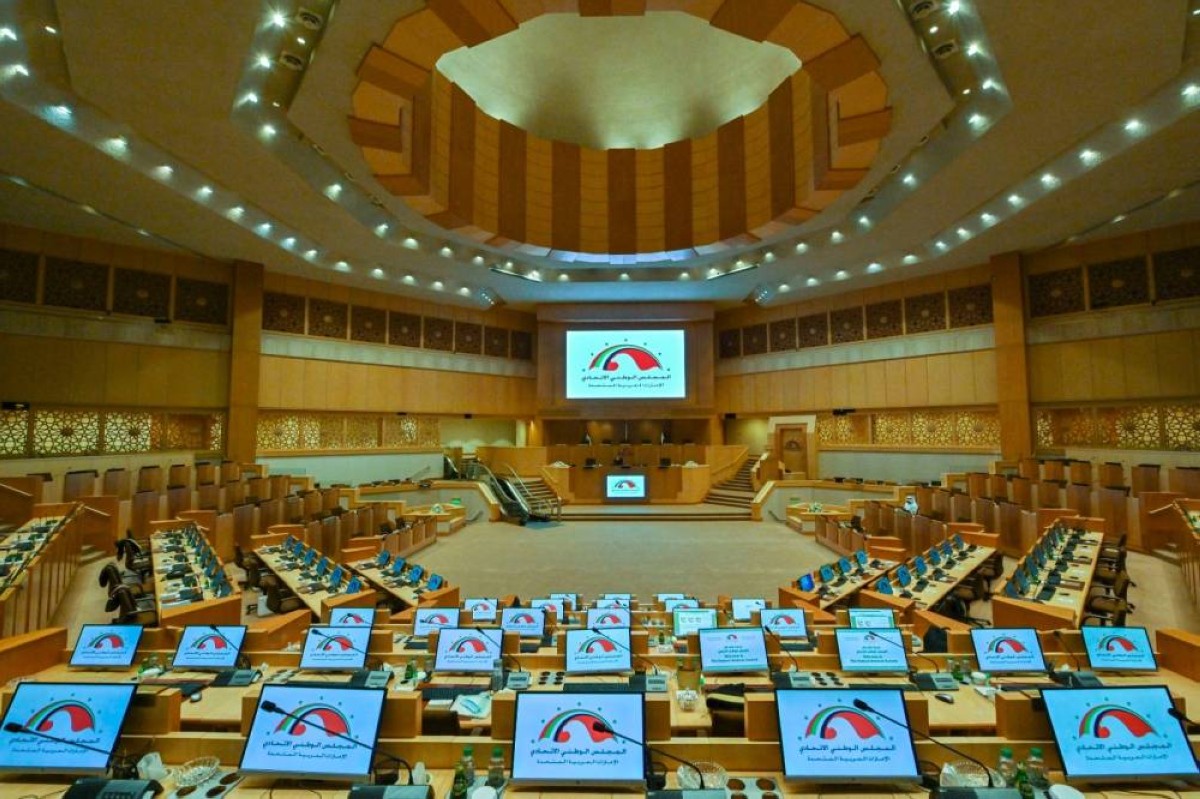
In recent discussions, the Federal National Council has emphasized critical strategies under the title “9 Recommendations to Enhance Traffic Flow,” aiming to improve traffic flow and safety across the nation. Through its recommendations, the council seeks to reduce congestion and accidents, which are becoming increasingly pressing issues. The suggested measures focus on smart infrastructure, institutional coordination, and updating legislative frameworks to create a safer, more efficient transportation network.
Smart Infrastructure Development
The first area of focus in the report pertains to developing a smart infrastructure strategy. It advocates leveraging both local and international experiences to deploy artificial intelligence technologies aimed at improving traffic safety and enhancing roadway flow. The report suggests practically implementing these technologies by adjusting the number of lanes on federal highways during peak hours, thereby matching traffic density and alleviating bottlenecks.
Strengthening Institutional Coordination
The second recommendation highlights the need to foster greater collaboration among relevant authorities. It calls for intensified joint efforts between federal and local entities to ensure sustainable road planning and improved traffic management. A unified platform for data exchange and coordination among the various entities is deemed vital for making more efficient traffic decisions. Additionally, the implementation of smart signage is recommended as an effective means to manage driving behaviors. Continuous awareness campaigns aimed at minimizing hazardous behaviors—such as aggressive driving and distractions behind the wheel—are also essential given their direct impact on accident rates.
Enhancing Legislative Effectiveness
In the realm of legislative effectiveness, the report proposes the establishment of a unified regulatory framework that defines the technical standards and operational protocols for smart transportation technologies. This framework is intended to ensure their integration with the nation’s road systems. Furthermore, it underscores the need to regulate vehicle ownership conditions, including setting a lifespan for vehicles, to decrease the frequency of trips and optimize roadway usage.
Moreover, the report stresses the urgency of issuing the executive regulation for Federal Law No. 14 of 2024 concerning traffic and road management. It emphasizes that this regulation must include the necessary provisions to support achieving the goals of improved traffic safety and reduced congestion. These recommendations not only reflect the government’s direction towards adopting smart, integrated solutions for traffic management but also align with the ongoing trends in urban growth and population increase, ultimately enhancing the quality of life for all community members.