
In 2025, Dubai welcomed an impressive 5.3 million travelers from Russia and China, solidifying its position as a prime destination for both tourism and business. This remarkable influx highlights the increasing demand for travel and the strengthening economic ties between Dubai and these two significant markets. With the number of Russian and Chinese travelers growing substantially, Dubai is set to continue its trajectory of becoming a global hub for international visitors.
Growth from Russia
According to data from Dubai Airports, the number of travelers from Russia surged by 6%, totaling 2.8 million visitors. This growth is driven by sustained demand for both tourism and business exchanges, alongside an increasing number of Russians considering Dubai as their primary destination for residence and travel. The rise in Russian traffic signifies a shift that extends beyond leisure, as more Russian expatriates establish roots in Dubai, spurring a robust demand for luxury real estate and an uptick in business registrations. The Russian market stands out for its high spending in the hospitality and retail sectors, especially during the winter months when beachfront resorts and luxury hotels experience robust occupancy rates.
China’s Trade Partnership
On the other hand, Chinese travelers to Dubai increased by an impressive 17%, reaching 2.5 million. This growth places China as the eighth largest market in terms of passenger traffic through Dubai Airport. The expansion of air connectivity now includes 15 Chinese cities serviced by six airlines, with new routes recently introduced to Hangzhou and Shenzhen. The rise in travel from China is fueled by deeper economic relationships; the UAE serves as China’s largest trade partner in the Arab world. Dubai continues to enhance its role as a re-export hub to Africa and the Middle East, making air connectivity essential for both business travelers and tourists. Additionally, this expansion aligns with deeper cooperation under the Belt and Road Initiative, enhancing logistical collaboration and investment between both nations.
A Global Gateway
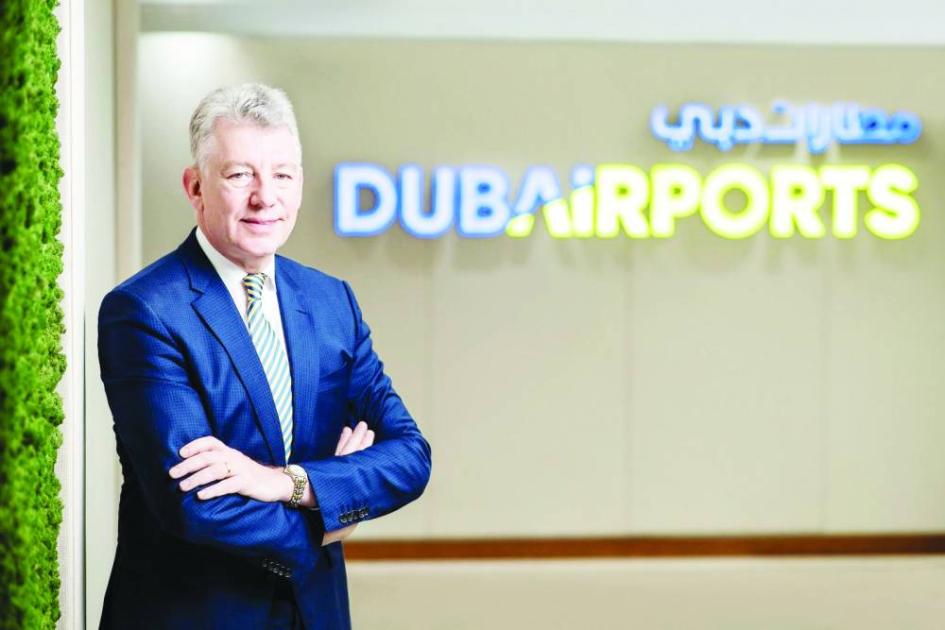
Paul Griffiths, CEO of Dubai Airports, emphasized that the operations at Dubai International Airport and Al Maktoum International Airport are indicative of sustained and robust growth from these key markets. He highlighted that the ongoing momentum is supported by Dubai’s reputation as a connected, easily accessible city for international travelers. This growth is directly reflected in increased trade flows, enhanced tourism, and broader economic relationships facilitated through Dubai. Furthermore, Griffiths noted that the destination network is expanding rapidly, with new airlines and additional flights being introduced during the winter season across both Dubai International and Al Maktoum International airports, thus improving travel options and operational network flexibility.