
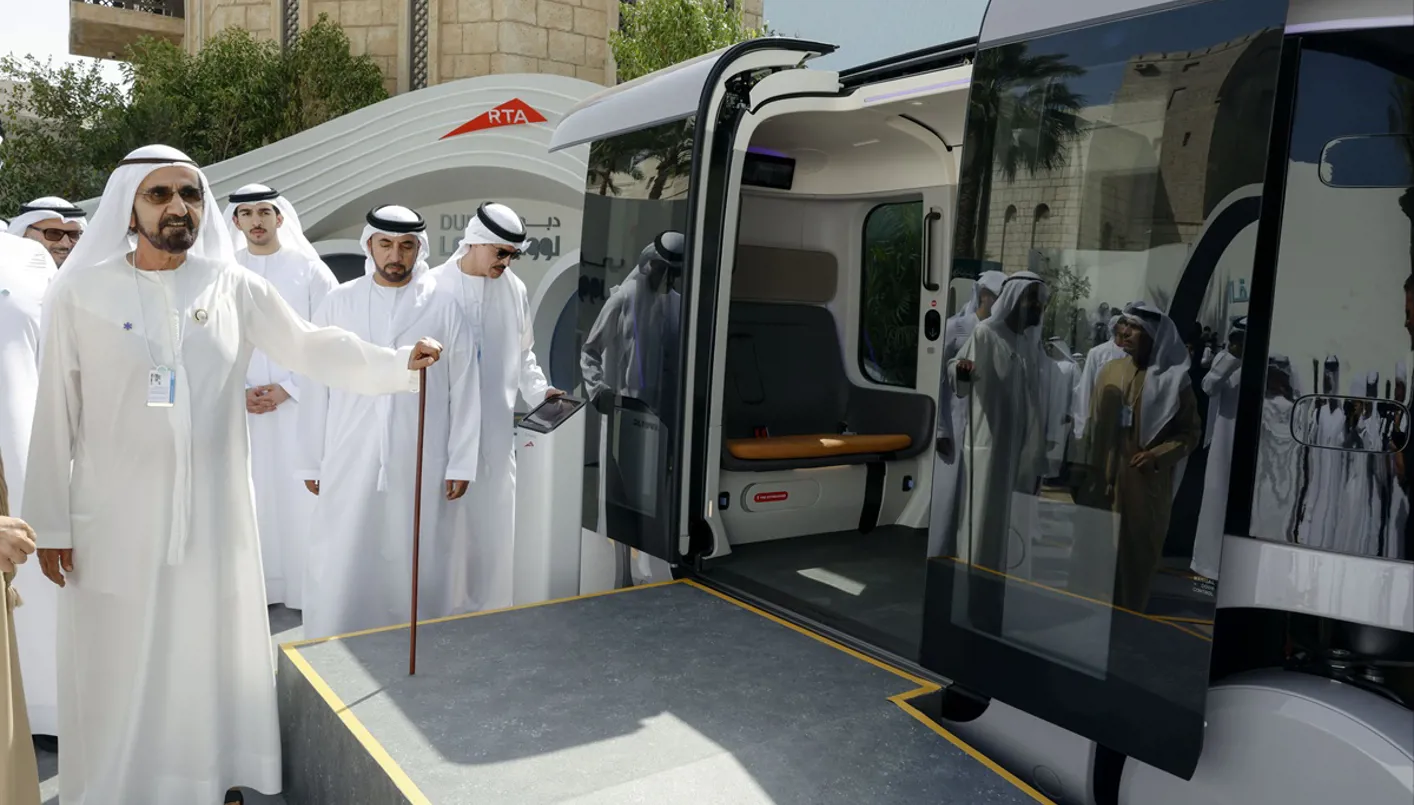
Traveling through a tunnel in the city is no longer a figment of science fiction, thanks to the ambitious Dubai Loop project. This innovative initiative, spearheaded by Elon Musk and his company The Boring Company, aims to revolutionize urban transportation in Dubai. By employing state-of-the-art technology, the project promises to enable people to traverse the city at unprecedented speeds. In this article, we will explore the key features of the Dubai Loop project, its significance for the Emirate, and the substantial investment involved.
Understanding the Dubai Loop Project
The Dubai Loop project is designed to create a network of cutting-edge tunnels for passenger transport, allowing individuals to travel at remarkable speeds within the Emirate. Utilizing advanced technologies, this initiative aims to transform mobility in densely populated urban areas while enhancing traffic efficiency. The project also supports first and last-mile journeys, distinguished by quick implementation, lower costs, and minimal disruption to existing roadways and services.
Launching the Initial Phase
During the launch of the project’s first phase, Dubai’s Roads and Transport Authority (RTA) Director-General, Mattar Al Tayer, revealed that the initial segment spans 6.4 kilometers and encompasses four stations. This marks the beginning of a more extensive route stretching 22.2 kilometers, which will eventually connect the city’s central business district to the Gulf Business Hub. Initially, the system is expected to transport over 20,000 passengers per hour, with a long-term capacity exceeding 100,000.
The Cost and Investment of the Dubai Loop
The estimated cost for the first phase of the Dubai Loop is approximately 565 million dirhams, with an execution timeline of one year following the design and necessary preparations. The overall project could reach a total expenditure of around 2.5 billion dirhams (approximately 681 million USD) over a three-year period. Al Tayer emphasized the groundbreaking nature of this initiative by highlighting the advanced drilling and construction technology used, which achieves higher speeds while incurring lower costs compared to traditional tunneling methods.
The Implications for Dubai’s Growth
Dubai’s population growth, which stands at 7% compared to a global average of 2%, underscores the project’s necessity. With a current population of six million and an influx of 17 million tourists projected for 2025, the demand for efficient transportation solutions is vital. Furthermore, the number of luxury vehicles registered in the city reflects its appeal to affluent individuals, indicating that successful projects like the Dubai Loop are essential for maintaining this momentum.
Expert Insights on the Future of Urban Transport
Dr. Osama Aqeel, a transportation engineering professor and international expert, suggests that the Dubai Loop will significantly enhance the city’s status as a global financial hub. This project enables vehicles to operate with lower friction compared to conventional roads, enhancing travel efficiency. Despite the high initial costs associated with the “hyperloop” technology implemented in Dubai, this innovative approach could pave the way for its wider adoption across the region in the future.
The Dubai Loop represents a bold stride toward the future of urban mobility in the Middle East. By striving to achieve speeds comparable to that of airplanes—between 300 and 400 kilometers per hour on the ground—it positions Dubai at the forefront of technological advancement in transportation.