
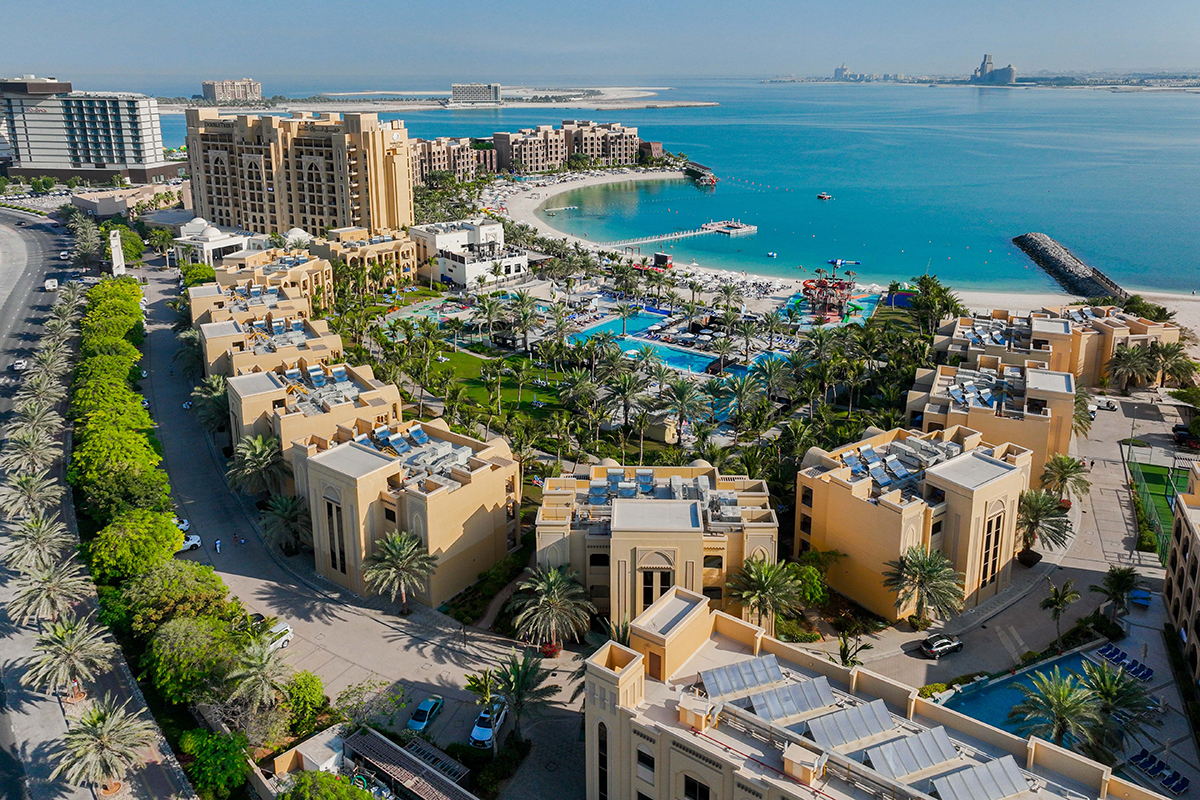
The Ras Al Khaimah real estate landscape is poised for significant price increases, with forecasts suggesting an impressive rise of 20% by 2026. This anticipated surge is largely driven by a convergence of robust buyer interest and diminishing supply, particularly in sought-after coastal regions. As the emirate evolves into a prime lifestyle and investment hub, experts emphasize the importance of understanding the dynamics shaping Ras Al Khaimah real estate prices.
The Evolving Market Dynamics
The Ras Al Khaimah real estate arena is expected to undergo substantial developments as we approach 2026. According to Metropolitan Premium Properties, off-plan sales are projected to increase by 15% to 20% compared to 2025. This growth is bolstered by the emirate’s rising appeal as a destination for both lifestyle and investment opportunities, powered by ongoing enhancements in infrastructure, tourism, and hospitality sectors.
Simultaneously, the market exhibits signs of maturation. Buyers are becoming more discerning, prioritizing aspects such as quality, location, and long-term investment potential. “Ras Al Khaimah is moving into a more balanced and sustainable phase of growth,” remarked Maxim Novikov, Head of the RAK branch at Metropolitan Premium Properties. “While off-plan demand remains healthy, especially for branded and lifestyle-led developments, buyers in 2026 are becoming increasingly selective.” With limited availability in premium locations, this buyer preference is propelling prices for both new and established properties upward.
Coastal Zones Attract High-End Buyers
In recent years, Al Marjan Island has been a hotspot for off-plan transactions, but as much of its inventory has been absorbed, demand is shifting towards emerging coastal areas like Marjan Beach. This change in focus follows the announcement of exciting hospitality projects, such as the Hard Rock Hotel, which are expected to enhance the area’s appeal.
Raha Island is also generating buzz as a burgeoning growth sector. The introduction of Armani-branded villas and developments adjacent to the Four Seasons Hotel and Residences signals robust future potential. As off-plan options dwindle in prime coastal locales, the secondary market is experiencing heightened activity. In 2025, completed homes in communities like Al Marjan Island, Mina, and Al Hamra Village saw price increases that matched or even outpaced those of off-plan units, particularly regarding villas and waterfront residences. This trend indicates that Ras Al Khaimah real estate prices are on a steady upward trajectory as we look towards 2026.
Flexible Payment Plans Support Sales
To foster sales momentum, developers have implemented flexible payment schemes, offering lower initial payments, extended payment plans, and post-handover options. These incentives are expected to play a vital role in supporting the market, particularly as Ras Al Khaimah real estate prices continue to climb. International buyers increasingly prioritize affordability, while Gulf Cooperation Council (GCC) investors are drawn to lifestyle-oriented properties, especially beachfront homes tailored for personal enjoyment and vacation living.
Rental yields are also showing promise, averaging around 7-8% for villas and waterfront properties, with expectations for further increases as demand for completed homes surpasses available supply. This dynamic is underpinned by the emirate’s burgeoning tourism sector and the rapid expansion of short-term rental markets.
With annual visitor numbers projected to approach five million, a considerable portion of residential units in key coastal regions is anticipated to cater to short-term rental needs. This influx will bolster pricing, enhance liquidity, and maintain robust investor interest in both off-plan and resale properties. “The combination of tourism growth, globally recognized hospitality brands, and limited new beachfront supply is reshaping the market,” added Novikov. “In 2026, we expect both off-plan and secondary segments to excel, with location, branding, and long-term fundamentals emerging as crucial factors.”