
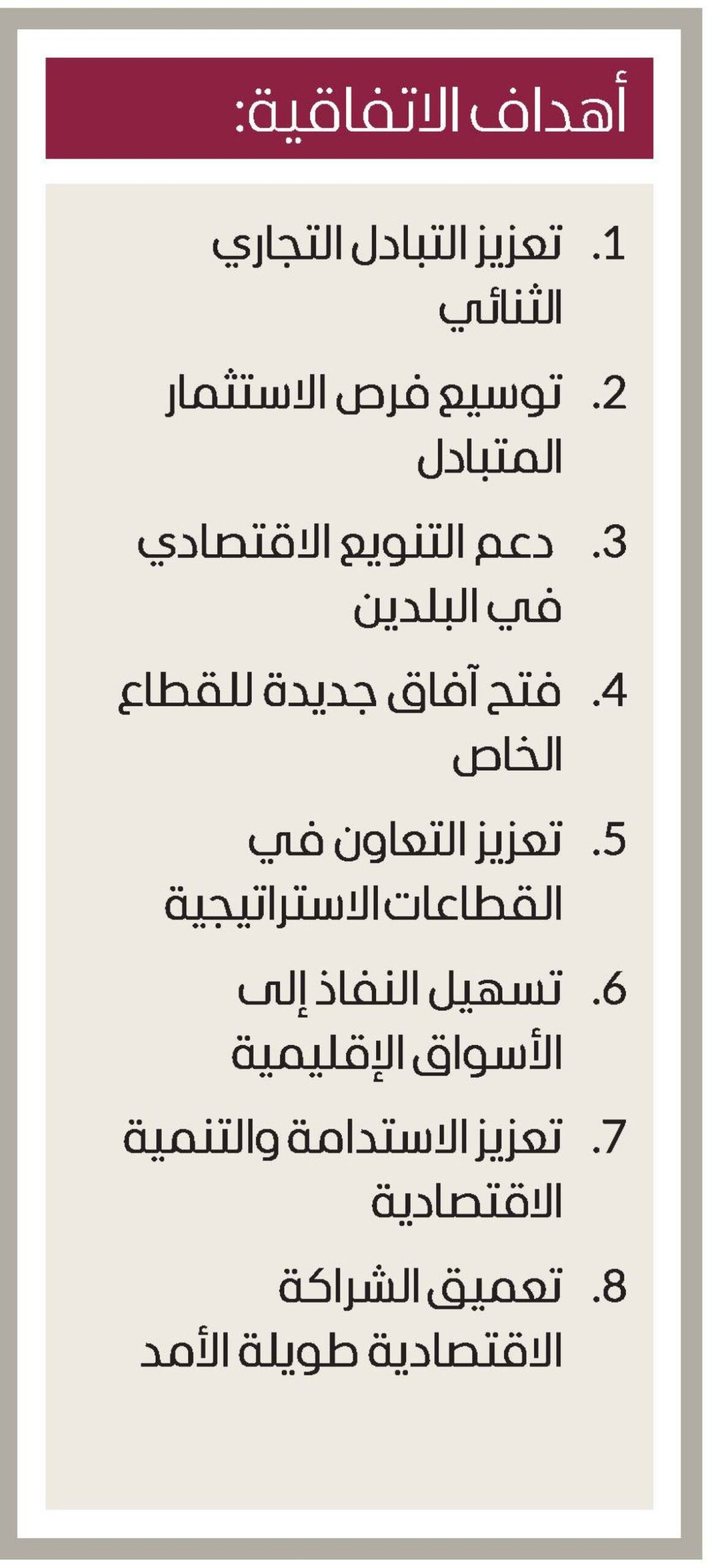
The recent signing of the Comprehensive Economic Partnership Agreement (CEPA) marks a significant milestone in the economic relations between the UAE and Nigeria. This agreement is part of the UAE’s strategic vision to enhance global economic partnerships and foster new growth opportunities for both nations. By facilitating substantial investments in various sectors, the CEPA aims to create a favorable environment for businesses in both countries, unlocking vast economic potential and encouraging collaboration on mutual interests.
A New Era in UAE-Nigeria Economic Relations
The Comprehensive Economic Partnership Agreement represents a new phase in the bilateral economic relationships between the UAE and Nigeria. This landmark agreement has garnered considerable attention from the business communities in both nations, as it promises to open doors to significant investment opportunities across diverse sectors. With the objective of reducing tariff barriers and removing trade impediments, the CEPA is expected to enhance trade and investment flows, paving the way for increased economic collaboration.
Moreover, the agreement emphasizes key sectors of mutual interest, including technology, agriculture, precious metals, and energy. By fostering closer ties between the private sectors of both countries, the CEPA aims to strengthen supply chains and empower small and medium enterprises (SMEs) to expand their reach into global markets. This agreement sets the stage for long-term cooperation, with bilateral non-oil trade reaching $4.3 billion in 2024, reflecting a remarkable annual growth rate of 55.3% compared to 2023.
Benefits for Nigerian Exporters
The Nigerian side has underscored the significant advantages that the CEPA offers, particularly for exporters. Dr. Jumoke Oduwole, Nigeria’s Minister of Industry, Trade, and Investment, highlighted that the agreement provides duty-free access for over 7,000 product lines to the Middle Eastern market. In her statements, she noted, “The negotiations yielded rewarding results, and I believe both sides are extremely pleased with what we have achieved. This agreement is designed for Nigerian exporters and aims to diversify our economy by boosting non-oil exports.”
This landmark deal allows a wide range of products, from seeds and oils to pharmaceuticals and agricultural goods, to enter the UAE market without tariffs. Oduwole emphasized Nigeria’s intention to benefit from the arrangements, stating, “We specifically chose the UAE as our target partner,” and noted that President Bola Ahmed Tinubu has been actively working to enhance bilateral relations. The agreement also facilitates the establishment of offices and branches for Nigerian businesses in the UAE, allowing entrepreneurs to stay for up to 90 days within a 12-month period.
Economic Growth and Market Potential
Nigeria is recognized as one of the fastest-growing nations in terms of population, with approximately 240 million people, providing a substantial consumer base and making it an attractive market for both local and international products and services. This demographic size significantly enhances long-term domestic demand and presents a large consumer market for businesses.
As the largest economy in Africa by GDP, Nigeria is anticipated to maintain its position among the continent’s top economies. According to the International Monetary Fund, Nigeria is projected to see its GDP range between $285 billion and $387 billion, with predictions of exceeding $374 billion in the coming years. This surge is supported by growth in the service sector and non-oil industries, driving sustained economic expansion.
Trade Surplus and Future Prospects
Nigeria recorded a positive trade surplus in 2025, supported by increased non-oil exports such as cocoa and sesame seeds, reaching approximately $8.42 billion in the first half of the year. The trend continued into the third quarter, highlighting the effectiveness of diversification strategies despite oil and gas exports remaining the largest component of overall trade. Non-oil exports rose by about 24.6% in 2025, indicating Nigeria’s capabilities in broadening its commercial activities.
With the UAE as a major trading partner, the CEPA is expected to enhance bilateral investment across various sectors, including agriculture, technology, and infrastructure, driving economic growth and development. The collaboration marks a significant opportunity for both nations to seize the potential of their combined markets.
The Comprehensive Economic Partnership Agreement not only deepens the ties between the UAE and Nigeria but also sets a robust framework for future cooperation, benefiting businesses and consumers alike in both nations. As they navigate this new frontier of economic collaboration, a prosperous partnership is on the horizon, poised to generate lasting impacts on their economies.