
In today’s rapidly evolving technological landscape, the traditional educational system faces significant challenges in keeping pace with changes. Experts and advocates for digital education agree that the traditional educational system needs to better adapt to technological advancements. This article explores insights from leading figures in the field, who emphasize that education has become a critical aspect of the digital age, necessitating innovative approaches to deliver effective content.
The Digital Education Landscape
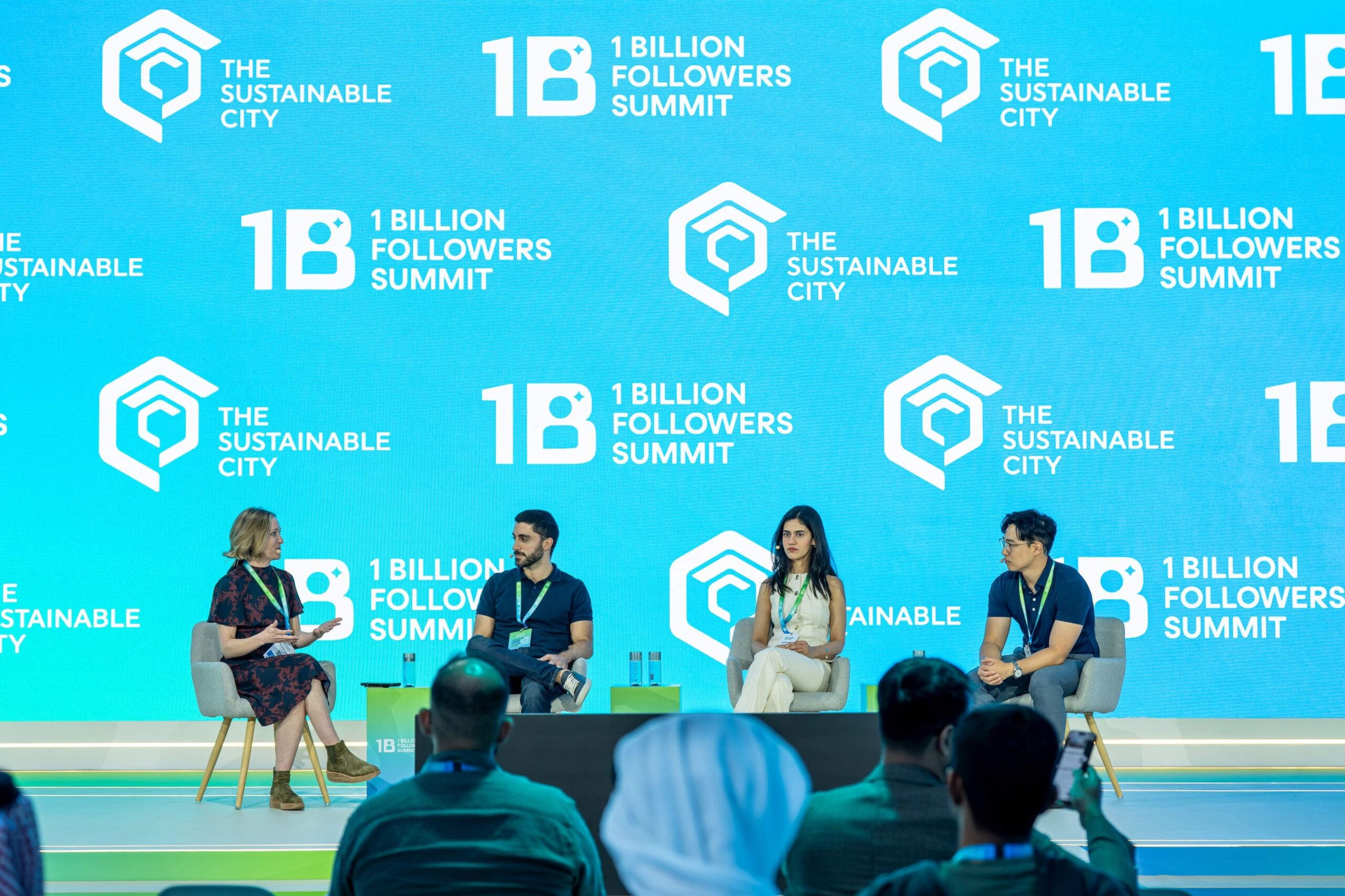
During a session titled “Education Disrupted: Here’s How to Fix It” at the fourth edition of the Billion Followers Summit, experts discussed the pressing need for reform in the traditional educational system. This summit, recognized as the largest global event in the content industry, is organized by the media office of the UAE government and takes place in Dubai. The dialogue highlighted the myriad digital tools and unconventional methods now available for education, underscoring the necessity for the traditional educational system to adapt to technological changes.
Voices from the Digital Frontier
Among the notable speakers was Julie Walsh Smith, CEO of the American company Complexi, who emphasized the universal desire for continuous learning across all ages. She stated, “The traditional educational system does not keep pace with technological changes,” providing opportunities for content creators to deliver innovative insights into contemporary education. Walsh Smith noted that successful digital education must be interactive, concise, and straightforward, as short educational clips are capturing the interest of learners today.
Addressing Skill Gaps
Arman Khodrlarian, CEO and co-founder of Skills, pointed out that technical and practical skills have become essential in today’s world. He elaborated that while there is a high demand for learning, students require reliable mentors and teachers, especially amidst the spread of misinformation on social media. His message further emphasized the need for the traditional educational system to adapt to technological changes to bridge these gaps.
Innovative Educational Models
Achina Mia, a content creator and founder of an AI-driven virtual school in India, shared her experience in providing diverse educational content through her YouTube channel. She indicated that this model places the traditional educational system directly in competition with the revolution of “self-directed learning” led by educational content creators, addressing existing deficits in conventional education and aligning with market needs.
Justin Song, a teacher and advocate for innovative education, expressed his goal of helping students explore the history of education while empowering them to achieve their personal goals. He underscored that merging enjoyment with information is vital in the learning process. Song noted that the challenge lies not in the complexity of the subject matter but in how it is presented, reinforcing the view that the traditional educational system must adapt to technological changes.
In a world increasingly driven by technology, it is evident that traditional educational frameworks must adapt to remain relevant and effective. The insights shared by these leaders provide a glimpse into a future where education not only keeps up but thrives amidst rapid technological advancements.