
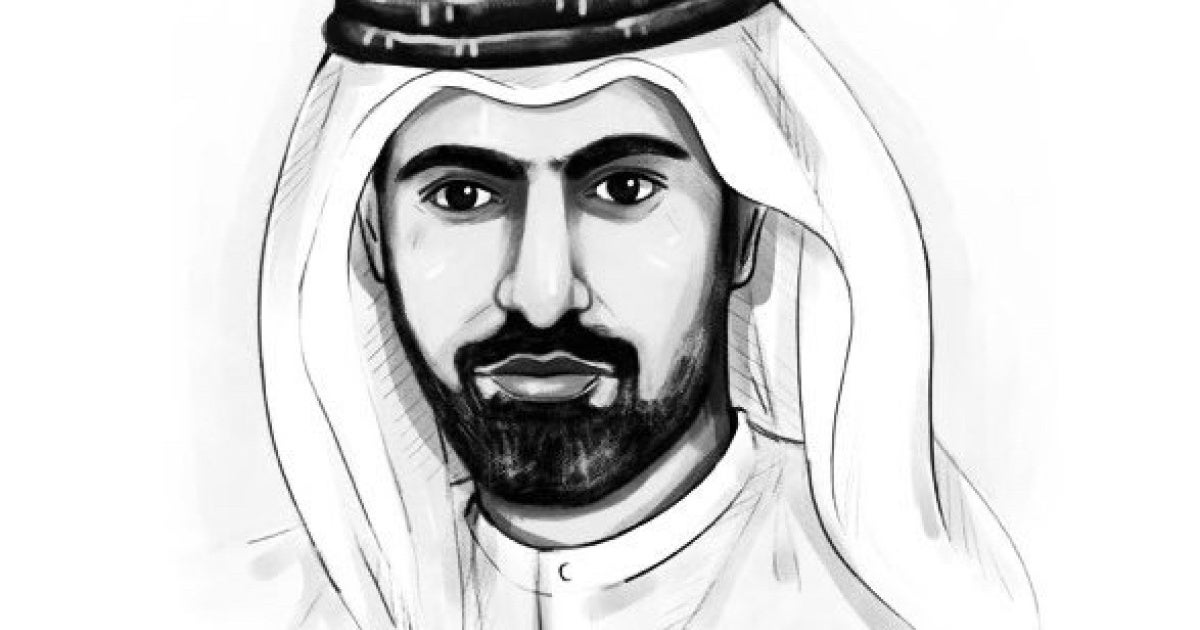
In a tragic development that raises serious human rights concerns, a political prisoner in the UAE, Ali Abdullah Fath Ali Al-Khaja, reportedly died on November 19, 2025, in the notorious Al-Razeen prison. This shocking incident is alleged to stem from years of mistreatment and torture, underscoring the ongoing plight of political detainees within the country. The case highlights the urgent need for accountability and reform within the UAE’s judicial and detention systems, which have come under international scrutiny for their treatment of political adversaries.
Details Surrounding Al-Khaja’s Death
According to reports from Human Rights Watch and the Emirati Prisoners Advocacy Center, Al-Khaja, aged 59, was found dead in his cell shortly after being notified of his father’s passing on November 8. His decade-long imprisonment was marred by allegations of torture, medical neglect, and prolonged solitary confinement. Arrested in August 2012, he was later sentenced to ten years in prison in a politically charged group trial known as the “UAE 94,” which targeted numerous political dissenters.
Calls for an Investigation
Activists and human rights organizations are calling for a transparent and immediate investigation into Al-Khaja’s death. Joy Shia, a researcher for Human Rights Watch, stated, “Al-Khaja’s death follows years of arbitrary detention and torture by UAE authorities, during which he should not have spent a single day in prison.” Despite the alarming circumstances, autopsies were not conducted independently, raising further questions about the treatment of detainees in UAE facilities.
The Continuing Impact of Political Repression
Following Al-Khaja’s untimely death, families of other political prisoners at Al-Razeen have been prevented from visiting their incarcerated loved ones, highlighting a growing trend of repressive measures against dissent. The federal supreme court in Abu Dhabi has deemed Al-Khaja and 68 others guilty in a collective trial that infringed upon their rights to freedom of expression, assembly, and association. Allegations of torture during confinement include beatings, excessive isolation, and sleep deprivation through incessant bright lighting.
The Legal Framework and Implications
The UAE’s counter-terrorism law allows for indefinite detention of those labeled as “terrorism risks,” a vague term that lacks a clear legal definition. As a result, victims such as Al-Khaja have continued to face unjust incarceration long after their sentences have ended. In December 2023, amidst the backdrop of the UN Climate Change Conference, new charges were leveled against Al-Khaja, reviving fears of a flawed judicial process that subjects the accused to additional legal jeopardy without adequate representation or due process.
Under international law, state authorities are required to conduct independent and effective inquiries into deaths that may be unlawful, especially those occurring in custody. The United Nations Standard Minimum Rules for the Treatment of Prisoners, also known as the Mandela Rules, obligate states to ensure adequate medical care is available to all detainees. Activists urge UAE authorities to provide timely medical care to all prisoners, including those involved in the controversial 2013 mass trial.
Hamad Al-Shamsi, executive director at the Emirati Prisoners Advocacy Center, emphasized the broader implications of Al-Khaja’s death: “His passing while in detention is not an isolated incident but a direct result of years of torture, medical neglect, and arbitrary detention. Ali was deprived of his most basic human rights, and it is time to hold those responsible accountable and take serious measures to protect remaining political prisoners in the UAE.”