
Dubai boasts one of the best infrastructures in the world, evident in its road and construction projects that reflect the emirate’s ambitions for excellence and luxury. Under wise leadership, Dubai is developing a distinctive architectural identity in its road projects, aiming to enhance the urban experience for both residents and visitors, making the city a model for global infrastructure.
Road Projects and Infrastructure in Dubai
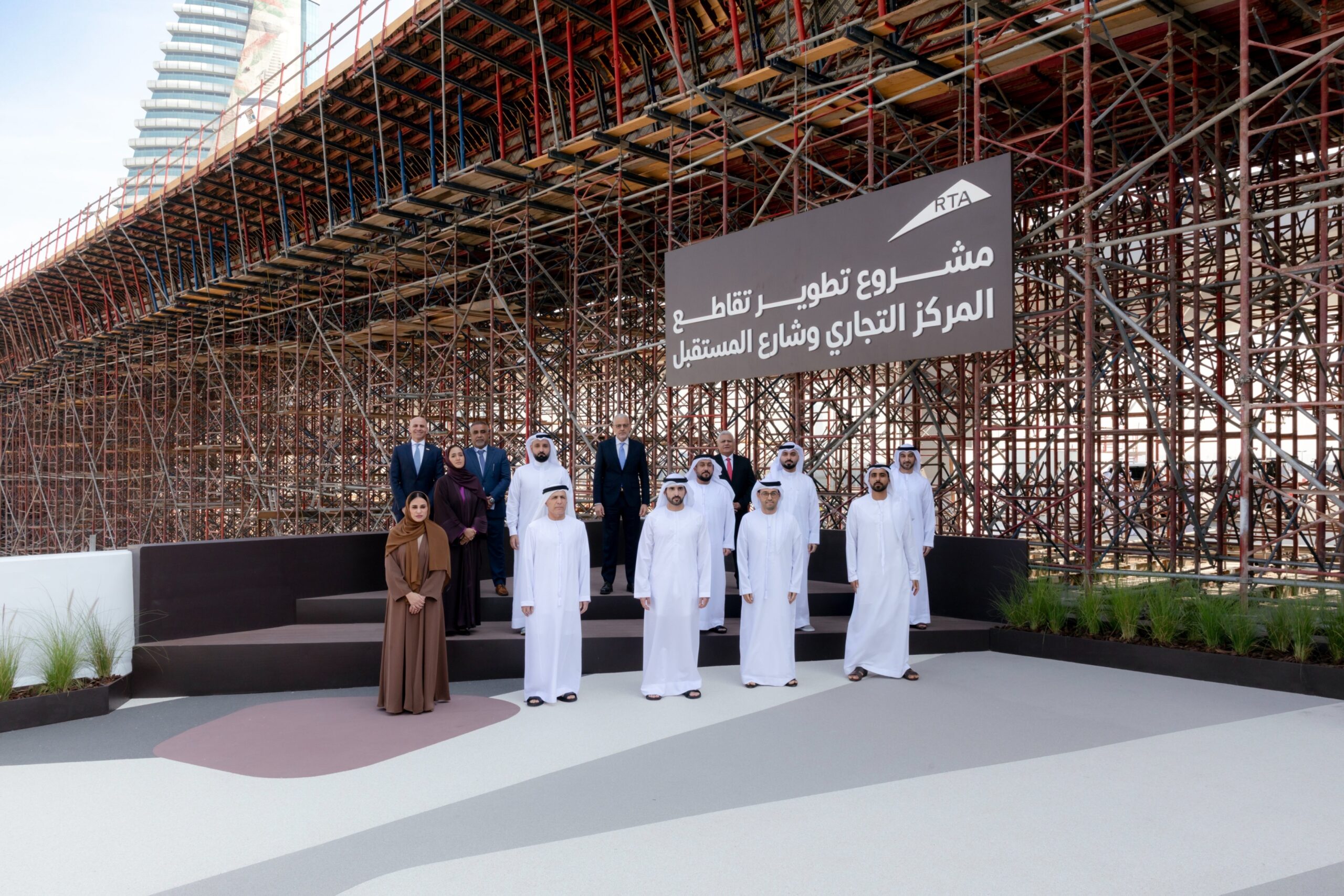
His Highness Sheikh Hamdan bin Mohammed bin Rashid Al Maktoum, Crown Prince of Dubai, has endorsed the architectural identity for road projects in the emirate, which aims to improve the architectural character of urban elements. His Highness reviewed the progress of the development project for the Trade Center roundabout and Future Street, which includes the construction of seven bridges and three tunnels, spanning approximately 6,500 meters, at a cost of 1.3 billion dirhams. This project serves seven residential areas, as well as the Dubai World Trade Center and the Museum of the Future, benefiting over one million visitors and residents in the area.
Significant Improvements in Traffic Network
The project is expected to reduce travel time by up to 75%, showcasing Dubai’s exceptional infrastructure. The Roads and Transport Authority continues to introduce new innovations, with cost efficiency per kilometer for road and metro construction being 1.5 to 2.5 times better compared to global cities like Moscow and Shenzhen.
Furthermore, property values in areas surrounding road projects have increased by 6 to 16%. During field visits, His Highness listened to a detailed explanation on how to enhance the capacity of intersections, leading to improved traffic flow in the city.
Architectural Identity and Sustainable Design
The emirate aims to establish a comprehensive design framework for infrastructure projects, focusing on integrating sustainability and innovation principles into all designs. The architectural identity for road projects seeks to enhance the quality of the urban landscape by standardizing design criteria, positioning Dubai among the leaders in global infrastructure. The geographical classification of Dubai has been divided into six main zones, creating a unique identity for each area.
These efforts represent a fundamental pillar of the Dubai 2040 project, adopting architectural designs that reflect local heritage alongside modern construction and design innovations, ensuring a balance between aesthetics and functionality.
Artistic and Cultural Initiatives
One unique initiative is the “Dubai Tunnels,” which aims to transform infrastructure into cultural and artistic landmarks by collaborating with local artists to beautify the tunnels. This initiative includes projects to enhance 18 tunnels in the city, embodying the idea that Dubai’s infrastructure is among the best in the world, not only in traditional terms but also in enriching culture and art in public spaces.
Serving the standards of beauty and functionality will positively impact the quality of life, enhancing Dubai’s architectural identity and providing a unique experience for visitors. As these innovative projects continue to unfold, Dubai remains one of the leading cities globally in terms of infrastructure.