
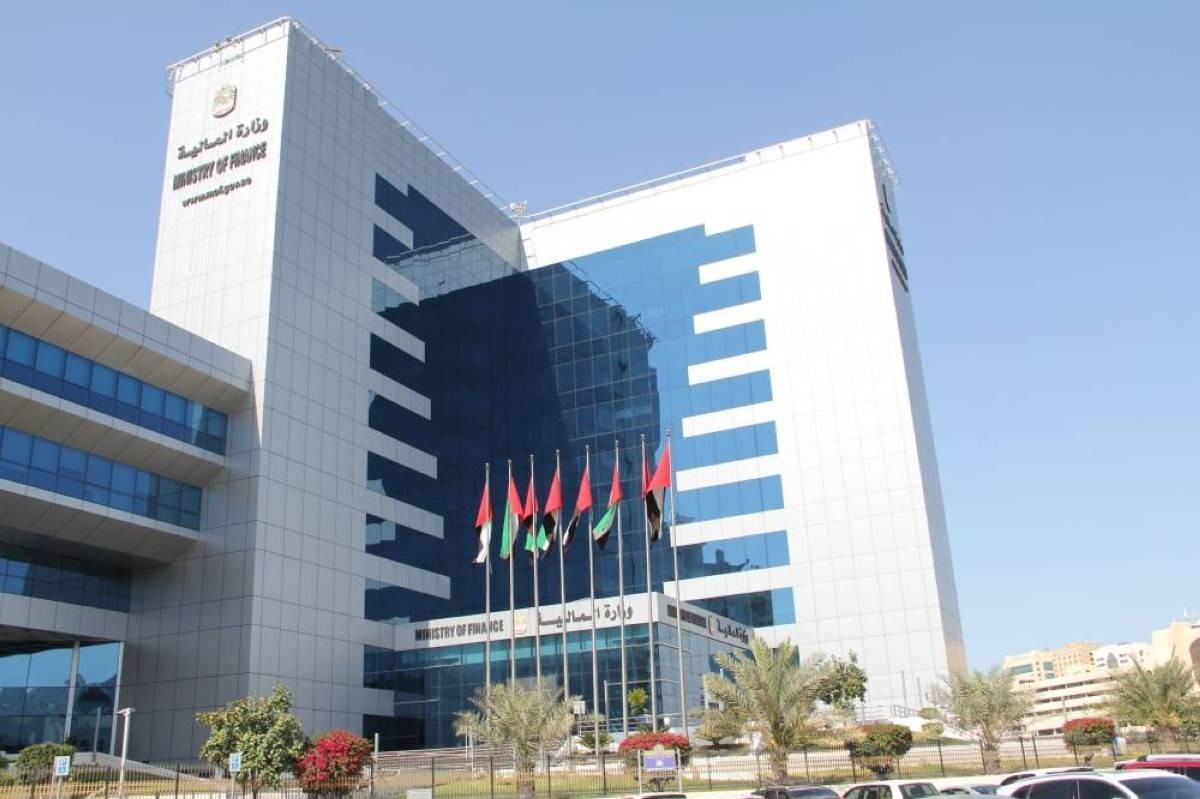
The recent Islamic Treasury Sukuk auction for October has garnered significant attention, successfully attracting bids totaling 4.57 billion dirhams. Held in collaboration with the Central Bank of the UAE, this auction was part of a broader initiative aimed at bolstering the Islamic financing sector while offering a competitive option for investors. With a total offering amounting to 1.1 billion dirhams, the event highlights the robust demand for Islamic treasury bonds amid a resilient national economy.
Strong Demand from Major Banks
The Islamic Treasury Sukuk auction for October saw a remarkable response from the eight primary banks involved in the issuance process. These financial institutions demonstrated keen interest in the new two-year bonds, maturing in October 2027, and the longer-term bonds due in May 2030. The total submissions reached an impressive 4.57 billion dirhams, equating to approximately 4.2 times the issuance size. This robust demand underscores investors’ confidence in the Islamic finance sector as well as the stability of the national economy.
Competitive Yields and Market Mechanisms
One of the notable features of the Islamic Treasury Sukuk auction for October was the attractive pricing, which leveraged market-driven mechanisms. The new two-year bonds achieved a yield to maturity of 3.49%, while those maturing in May 2030 offered a yield of 3.65%. This yield spread is a mere 7 basis points above comparable U.S. Treasury bonds, showcasing the favorable positioning of these sukuk in current market conditions. Such competitive rates are indicative of the maturity and appeal of Islamic financial instruments.
Enhanced Accessibility for Investors
The issued sukuk are part of the UAE’s Islamic Treasury Sukuk Program, listed on Nasdaq Dubai. This listing enhances accessibility for investors wishing to engage in the secondary market. The Islamic Treasury Sukuk auction for October not only facilitates capital flows but also signifies a strong commitment to developing the Islamic finance landscape in the region. Through these efforts, the UAE continues to solidify its position as a leading hub for Islamic finance, attracting both local and international investors eager to participate in a growing market.