
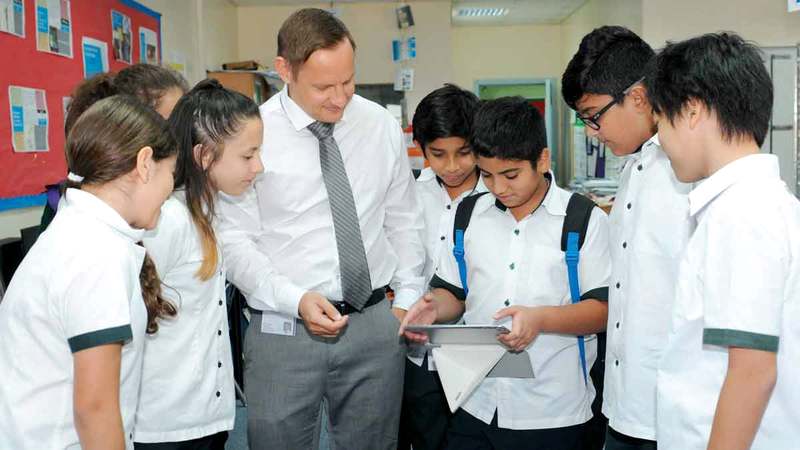
The Knowledge and Human Development Authority (KHDA) has given private schools in Dubai a three-year grace period to implement or enhance academic and career guidance services in line with new standards. This initiative is part of a comprehensive framework for future readiness that establishes nine criteria for academic and career guidance in educational institutions across the emirate. It aims to create a cohesive pathway that supports students from their early schooling years through to graduation, linking their educational and university choices with required skills and future job pathways.
A Shift Towards Comprehensive Guidance
Emphasising a broader approach, the KHDA intends to transition guidance services from being primarily about selecting subjects and universities to a more encompassing system. This system will aid students in discovering their capabilities, understanding their options, developing essential skills for the future, and making informed academic and career decisions.
A Unified Reference for Educational Institutions
The “Future Readiness Framework: Dubai Standards for Academic and Career Guidance in Educational Institutions” serves as a unified reference point that sets clear and practical expectations for private educational institutions. The objective is to elevate the quality of guidance provided to students, preparing them for the evolving landscape of education, work, and life amidst rapid technological and professional shifts.
Alignment with Dubai’s Strategic Goals
This framework aligns with the objectives of Dubai’s economic agenda “D33” and the Dubai Education Strategy 2033. It focuses on developing talents, skills, and competencies while promoting a culture of lifelong learning, positioning learners to engage effectively in the future’s most in-demand sectors and professions.
Core Criteria for Guidance Services
The nine criteria include ensuring students receive organized academic and career guidance, developing essential life and digital skills, and providing real-life learning experiences that bring them closer to work environments. These elements are designed to foster clearer visions of their future pathways.
Emphasis on Leadership and Community Engagement
Moreover, the criteria highlight the need for effective professional leadership within educational institutions, enhancing family involvement, and integrating future technologies, including artificial intelligence. Personalised and comprehensive guidance that considers the diverse needs of all student groups, including those of determination, is also a priority.
The Role of Educational Leaders
Dr. Amina Al Mazmi, Executive Director of the Human Development Sector at the KHDA, expressed that the rapid pace of global change necessitates equipping students for future jobs and careers. She asserted that the role of academic and career guidance extends beyond helping students select their courses or suitable universities.
Support for Implementation
The Future Readiness Framework focuses on preparing younger generations with the essential skills needed for the next phase, empowering them to make informed decisions throughout their academic and professional journeys. By integrating strong academic and career guidance across all educational stages, it aims to cultivate students who are more confident and adaptable to change, ready for the professions of tomorrow.
Guidance Resources for Schools
To facilitate the practical application of these standards within educational institutions, the KHDA has released two guides for academic guidance and career readiness—one aimed at private schools and the other for higher education institutions. These guides contain best practices, expected roles, and indicators for providing high-quality academic and career guidance services tailored to student needs and future prospects.
Offering Practical Insights and International Collaboration
The guides encompass organised academic and career guidance programmes, future skills, competencies and career pathways, experiential learning, labour market insights, family and community engagement, as well as digital guidance supported by artificial intelligence and comprehensive student-centred support.
The KHDA has stipulated a transitional period of three years for private schools in Dubai to either implement or develop their academic and career guidance services, allowing educational institutions the time necessary to build the programs, capabilities, and practices required to meet these framework expectations.
In parallel, the KHDA plans to conduct a series of orientation workshops for educational leaders and staff to educate them about the future readiness standards and the content of the guides, elucidating expectations and application requirements, and providing practical guidance to help institutions convert standards into actionable practices and programmes benefiting students.
Additionally, the KHDA has entered into a partnership with the National Career Development Association (NCDA) in the United States, focusing on research, professional development, and training programmes based on global best practices to enhance the level of academic and career guidance services in Dubai’s educational institutions.
Dr Bret Anderson, the newly elected president of the NCDA, stated that this collaboration reflects the KHDA’s commitment to enhancing future academic and career guidance for students. He expressed anticipation towards working together to develop high-quality guidance practices that assist students in making informed decisions and preparing for promising future pathways.
The KHDA has made the Future Readiness Framework, alongside the associated guidance documents for private schools and higher education institutions, available on its website. This accessibility enables educational institutions and stakeholders to review the standards, requirements, and implementation practices.