
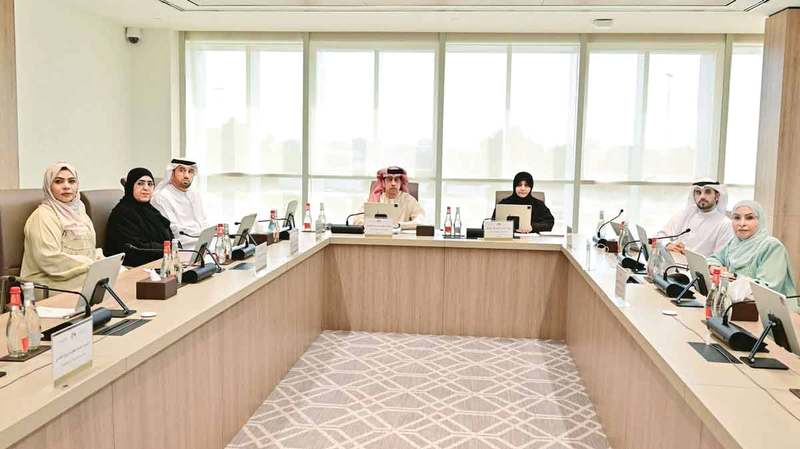
A parliamentary report by the Education, Culture, Youth, Sports, and Media Affairs Committee of the Federal National Council has proposed twelve government initiatives aimed at enhancing the presence of the Arabic language, protecting it, and promoting its usage within Emirati society. This initiative addresses key sectors such as media, education, employment, artificial intelligence, and legislation.
Fostering a Comprehensive System for Arabic Language Development
The recommendations emerged following discussions between the committee and relevant governmental bodies, highlighting a commitment to developing an integrated system that bolsters the status of Arabic, solidifies national identity, and increases its presence across various sectors.
Key Proposals and Innovations
Among the proposals is the introduction of a new standard within the “Aman” platform to monitor the use of Arabic in media content, along with the employment of artificial intelligence technologies to support the Arabic language within the media sector. Looking ahead, there is a focus on developing smart applications dedicated to Arabic, enhancing community awareness and education about the significance of the language, and reaffirming national identity within Emirati society.
Employment Standards and Legislative Framework
Discussions between the committee and representatives from the Office of Artificial Intelligence, Digital Economy, and Remote Work Applications underscored the necessity of making Arabic proficiency a fundamental requirement for employment across all sectors in the UAE. This standard is similar to practices in many advanced countries regarding employment criteria. Additionally, there is an emphasis on leveraging artificial intelligence to support and develop Arabic, in collaboration with national institutions, with future considerations for smart applications and technological innovations that serve the Arabic language.
Legal Measures to Safeguard Arabic
A mutual agreement was reached between committee members and representatives from the Ministry of Culture recognizing the need for a comprehensive law designed to protect and promote the Arabic language in the country. The committee has pledged its support to the ministry in its efforts to formulate and present this legislation to the government. It was also agreed that the establishment of a National Council for the Arabic Language is essential for ensuring the success of future legislation and for enhancing the status of Arabic within Emirati society. Furthermore, the Ministry of Culture will provide periodic detailed reports on the state of the Arabic language in the country, helping to provide a clear and comprehensive overview of advancements and challenges in this field.
Enhancing Education and Teacher Training
Representatives from the Ministry of Education stressed the importance of re-evaluating priorities to ensure a greater focus on students and the development of their core skills, particularly in improving Arabic language curricula for reading and writing. They indicated that the ministry is working on a long-term project to comprehensively revise Arabic language curricula while emphasizing the importance of community and educational field feedback to align with national needs. Additionally, the ministry plans to conduct assessments to measure the skills gaps among students and analyse results to guide development strategies.
Integrating National Identity into Curriculum
The ministry underscored the need for national identity to be an integral part of the educational curriculum to foster a sense of national belonging among students. They also highlighted the importance of achieving a balance between the mother tongue (Arabic) and English, especially in the private education sector, which relies on ministry curricula and standardized tests to meet this goal.
Teacher Competency and Resource Utilisation
Recognising that teacher competency is a cornerstone of Arabic language education, the ministry noted gradual improvements in teacher proficiency following a week-long training at the beginning of each academic year. However, they highlighted the lack of specialised training programmes tailored to individual teachers’ competences and skills. Currently, educational platforms like “Kutubi” and “Alif” are employed to evaluate students and support teachers, yet a clear mechanism for assessing the effectiveness of these platforms in improving student performance and adequately supporting teachers is still lacking.