
On July 28, 2026, the Emirates Nature Association celebrated the significant achievement of elevating Wadi Wurayah to the UNESCO World Heritage List. This milestone marks over two decades of dedicated efforts in nature conservation, driven by rigorous scientific research and a close partnership with the Fujairah Environment Authority.
A Historic Recognition
Asila Al-Mulla, the Director-General of the Fujairah Environment Authority, stated, “This achievement is a culmination of years of dedication, scientific research, and the visionary guidance of our leadership, alongside tightly-knit collaboration with the Emirates Nature Association and our partners. We aim to secure global recognition for one of the UAE’s most precious natural landmarks. This enduring partnership has played a pivotal role in enhancing conservation efforts, scientific knowledge, and steering a successful nomination for world heritage status.”
Decades of Collaboration
Leila Mustafa Abdullatif, Director-General of the Emirates Nature Association, reflected on the partnership’s success: “This historic achievement reflects over two decades of ongoing cooperation and mutual commitment with the authority to protect, restore, and enhance the unique biodiversity in Wadi Wurayah.”
The journey to UNESCO recognition was the result of long-term collaboration between the authority, the Emirates Nature Association, and the World Wildlife Fund. Notable milestones in this journey include declaring Wadi Wurayah as the first mountain reserve in the UAE in 2009, its designation under the Ramsar Convention in 2010, and its classification as the UAE’s first national park and a UNESCO biosphere reserve in 2018. By 2022, the accumulated scientific evidence laid the groundwork for the site’s inclusion on the organisation’s preliminary list, culminating in its recent acknowledgment as a World Heritage site.
Key Environmental Initiatives
Significant environmental and geological highlights formed the basis of UNESCO’s recognition. These include the launch of one of the most comprehensive mountain and aquatic biodiversity monitoring programs in the country, documenting over 1,000 species, conducting baseline freshwater assessments, and undertaking long-term environmental monitoring. Additionally, effective management of the reserve has provided solid scientific evidence of Wadi Wurayah’s exceptional environmental importance.
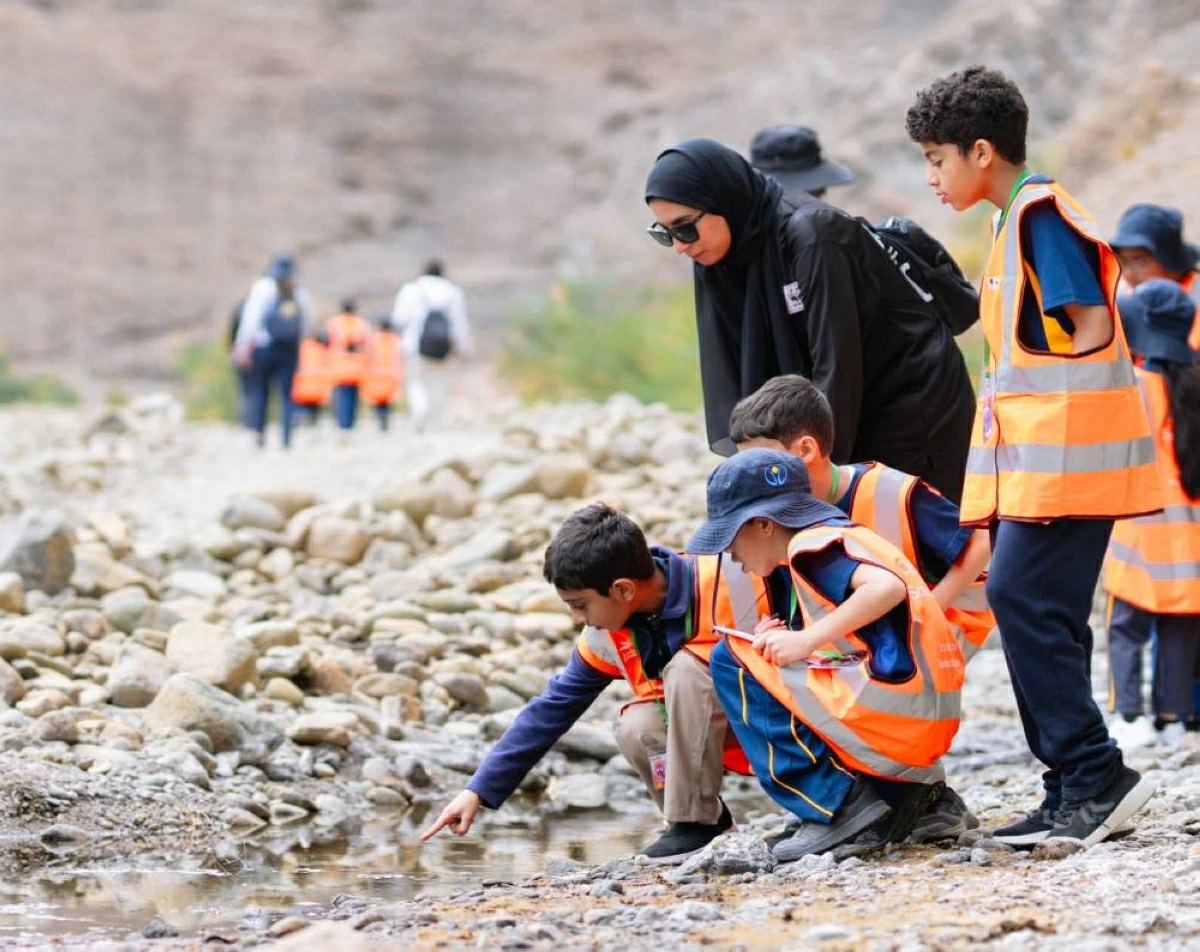
The “Water Research and Learning Programme,” a pioneering initiative, gathered over 900 volunteers to support freshwater research, environmental monitoring, and awareness of ecological importance. Efforts in rehabilitating native mountain habitats included planting approximately 2,000 local trees using innovative water-efficient techniques suitable for arid environments, alongside engaging nearly 2,000 volunteers in community science activities and environmental education. Throughout the last two decades, results and scientific reports have been published in over 20 editions by experts and scientists from the Emirates Nature Association regarding Wadi Wurayah, fostering multi-sector partnerships essential for supporting this vital mountain and freshwater ecosystem.