
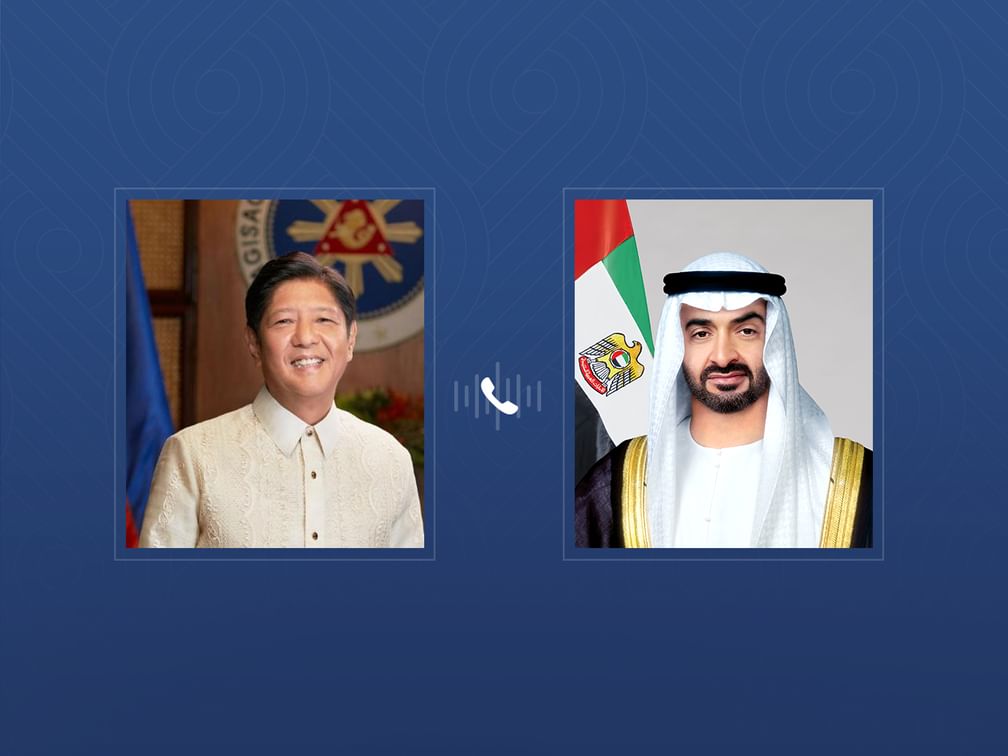
The phone call between President Sheikh Mohammed bin Zayed Al Nahyan of the UAE and President Ferdinand Marcos of the Philippines highlights crucial discussions surrounding regional security issues. This communication emphasized the evolving circumstances in the area and addressed the implications for security and stability. The leaders engaged in dialogue about the ongoing military escalation and the international community’s responsibilities in maintaining peace.
Firm Stance Against Aggression
During this significant conversation, President Marcos condemned the “blatant Iranian aggressions” that target not only the UAE but also several neighboring countries. He expressed the Philippines’ unwavering solidarity with the UAE in its endeavors to safeguard its sovereignty and ensure the safety of its citizens. This show of support underlines the Philippines’ commitment to working collaboratively with the UAE in the face of external threats.
Mutual Appreciation and Support
In response, Sheikh Mohammed expressed his gratitude for President Marcos’s robust position regarding the UAE’s current challenges. The acknowledgment of shared values and common goals resonates deeply within both nations and strengthens their ties. The dialogue underscores the importance of diplomacy and mutual respect in addressing complex regional challenges.
The Need for Diplomatic Solutions
Both leaders stressed the imperative to halt military escalations immediately. They called for prioritizing dialogue and diplomatic avenues to avert further threats to both regional and international security. Emphasizing peaceful resolutions and collaboration, they recognized that promoting stability is crucial for ensuring lasting safety in their respective regions.
The connection established during this phone call serves not only as a platform for addressing pressing issues but also as a testament to the enduring friendship between the UAE and the Philippines. The discourse around أمنها واستقرارها reinforces the idea that collaborative action is essential in navigating today’s complex geopolitical landscape.