
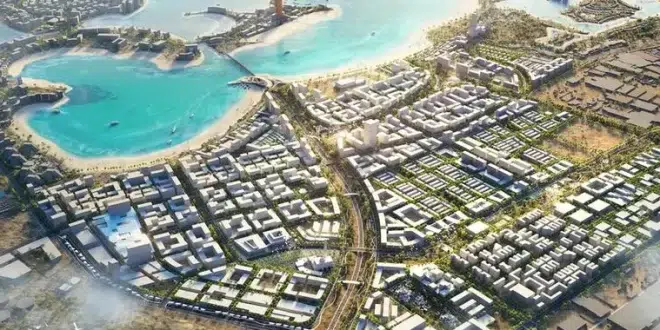
Ras Al Khaimah is establishing itself as the third-best hotel market in the UAE in terms of revenue per room, according to the latest findings from Sterling Hospitality Consultancy, a leading firm under the Marjan Hospitality umbrella. The recently released eighth edition of the “Investment Pulse in Ras Al Khaimah” report indicates that the emirate is entering a new phase in its tourism and investment cycle, offering clear and timely investment opportunities as demand is projected to outpace supply starting in 2027.
Key Findings on Hospitality Growth
The report reveals that 2025 marked a structural shift in Ras Al Khaimah’s hospitality landscape, with a notable increase in high-value international demand. The occupancy rate reached 75.0%, and the average daily rate surged to AED 618.1. Consequently, revenue per available room grew by 11.5% year-on-year, yielding a total demand of 4.8 million hotel nights. This resulted in revenue of AED 1.06 billion from rooms and AED 1.72 billion in total hotel revenues, reflecting a 12% increase compared to 2024. Thanks to these results, Ras Al Khaimah now ranks as the third-best hotel market in the UAE in terms of revenue per room and the fifth in the Gulf region, underscoring its transition towards sustainable growth focused on quality and flexibility.
Luxury Sector Driving Growth
The hospitality sector in Ras Al Khaimah continues to expand, primarily led by the luxury segment. Five-star hotels account for over half of the current room inventory. With the announcement of more than 2,000 new rooms expected in 2025 and around 2,500 more scheduled for 2027, future offerings are strategically concentrated in the luxury market. Meanwhile, three- and four-star categories present significant opportunities for diversifying tourism in the emirate, supported by solid development activity despite limited supply and gradually expanding demand.
Imminent Supply-Demand Gap
The report highlights a looming gap between supply and demand, forecasting that cumulative demand will surpass supply by about 1,300 hotel rooms by 2030. A shortage is expected to materialize starting in 2027, creating clear investment windows for projects slated for execution between 2026 and 2029. This imbalance is likely to bolster the operational performance of existing hotels while also increasing opportunities in serviced apartments and short-term rentals, catering to peak demand periods.
Long-Term Quality of Life Initiatives
Tatiana Viller, Managing Director of Sterling Hospitality Consultancy, remarked, “Ras Al Khaimah has reached a phase where the narrative is no longer just about growth but also about timelines and creating long-term value. What we are observing now is a market moving to a more disciplined phase, where revenue quality improves, supply becomes clearer, and investors gain better insights into where and when opportunities arise.” This report intends to provide investors with crucial clarity and vision to make informed decisions as the market enters this new cycle.
Furthermore, beyond the hospitality sector, the report sheds light on how Ras Al Khaimah’s extensive quality of life improvement program fuels long-term demand. Continued investments in healthcare, education, work centers, and transport infrastructure are supporting population growth, with projections estimating the emirate’s population will reach approximately 650,000 by 2030 and 730,000 by 2034. This growth enhances the investment attractiveness of hotel and mixed-use properties.
Based on comprehensive market analysis and interviews with both public and private sector stakeholders, the eighth edition of the “Investment Pulse in Ras Al Khaimah” confirms the emirate’s position as one of the prominent emerging destinations for tourism and investment in the region, offering clear insights and rare opportunities for capital inflow ahead of the next acceleration phase of the market.