
Iran‘s Aggressive Attacks on Gulf States: A Gross Violation of Sovereignty and Neighborliness
In the wake of escalating geopolitical tensions in the region, Iran’s aggressive attacks on Gulf states are viewed as one of the major challenges to regional stability. While the international community seeks to forge paths of cooperation and dialogue, these Iranian interventions emerge as a significant obstacle to enhancing international relations and affirming national sovereignty.
International Conference in Tokyo to Discuss Global Issues
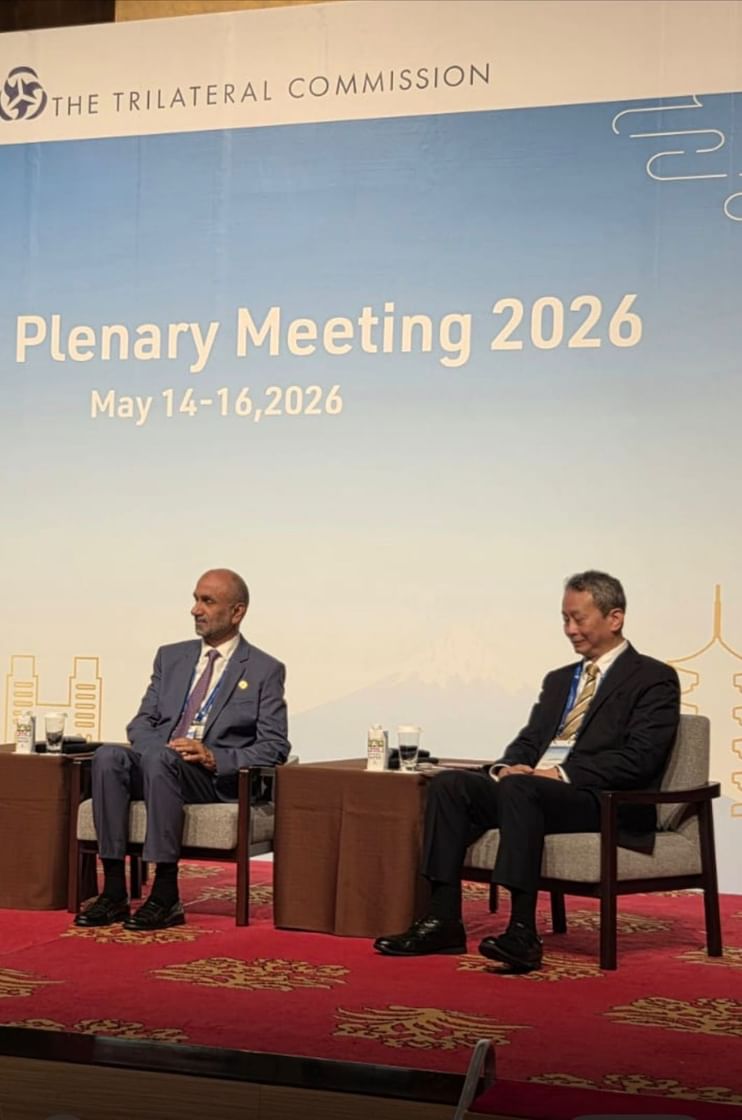
Ahmed bin Mohammed Al-Jarwan, President of the Council for Tolerance and Peace, is participating in an international conference in Tokyo from May 14 to 16, where a group of leaders and experts is gathering to discuss current challenges. The conference opened with a video message from Japanese Prime Minister Sanae Takaichi, emphasizing the importance of international cooperation in addressing global crises.
Iranians and Regional Security
During the session focused on the Middle East, Al-Jarwan asserted that Iran’s aggressive attacks on Gulf states reflect the intertwining of political crises with security tensions. He clarified that these attacks constitute a violation of the principles of sovereignty and neighborliness, necessitating an effective international response that respects international law. To achieve this, Al-Jarwan advocated for strengthening all international positions based on deterrence and serious cooperation.
Threats in the Strait of Hormuz and Maritime Security
Al-Jarwan addressed the strategic importance of the Strait of Hormuz, a vital artery for the global economy. He noted that any threat to international waterways directly affects the stability of global markets and supply chains. This indicates that Iran’s aggressive attacks on Gulf states negatively impact maritime security, making its protection a shared international responsibility.
Humanitarian Challenges and the Future in Lebanon and Gaza
Regarding humanitarian conditions, Al-Jarwan emphasized the necessity of finding a comprehensive solution to the Palestinian issue, stressing that true peace requires safeguarding human rights before considering reconstruction. Additionally, he addressed the situation in Lebanon, calling on the international community to provide the necessary support to enhance the country’s stability and security along its borders.
Finally, Al-Jarwan reiterated that sustainable peace cannot be achieved through slogans but through practical policies. Iran’s aggressive attacks on Gulf states represent a major obstacle on this path, necessitating a collective effort to enhance dialogue and build trust between nations and peoples.