
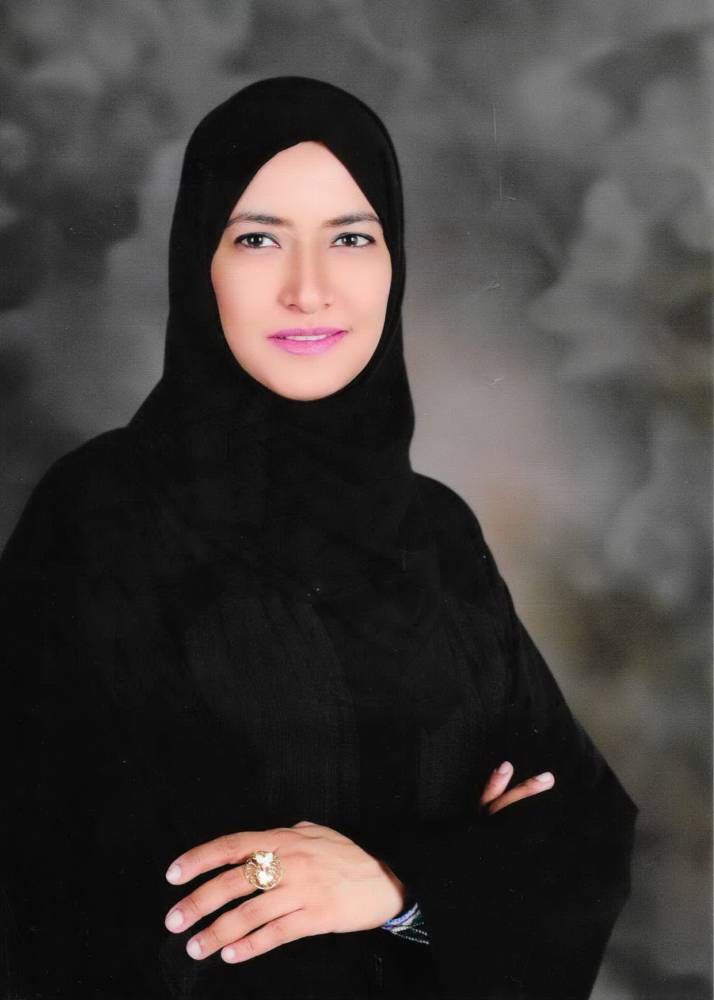
The Hamdan bin Rashid Al Maktoum Centre for Talent and Innovation is set to implement the “Hamdan Talent Scale” to identify and nurture gifted students across the United Arab Emirates during the 2026-2027 academic year. Dr. Maryam Al Ghawi, the centre’s director, announced that the initiative aims to assess over 15,000 students in both public and private schools, expanding the discovery of students with exceptional abilities beyond traditional academic measures.
Broadening Identification of Gifted Students
Explaining the initiative, Dr. Al Ghawi revealed that nearly 14,000 students underwent the assessment in the previous academic year, 2025-2026. She emphasised that the expanded application of the scale enhances the chances of finding students with unique abilities that may not be evident solely through their grades. The goal is to direct these students towards appropriate educational programmes that cater to their capabilities.
Dr. Al Ghawi noted that being a gifted student does not equate to excelling in every subject, warning that reliance on academic results or teacher assessments alone could overlook genuine talents. She maintained that employing scientifically valid tools for identification ensures fairness in discovery and equal opportunities among students.
Unseen Talents
Dr. Al Ghawi pointed out that many students possess remarkable skills in critical thinking, reasoning, and problem-solving, making scientific measurement a crucial method to uncover strengths that might otherwise remain hidden in the classroom. By broadening the scope of the assessment, a more precise database on student abilities can be constructed, aiding in decision-making regarding support and enrichment programmes. This transition allows for the nurturing of talent rather than mere identification.
The “Hamdan Talent Scale” has been meticulously developed with international experts from esteemed universities, designed to reflect cultural nuances specific to the UAE and the latest advancements in talent assessment. The scale employs a multidimensional approach that evaluates cognitive abilities, achievement, motivation, and the environmental and educational factors influencing talent development, providing a comprehensive view of students’ potential and needs.
Four Phases of Assessment
The scale targets students from grades four to twelve, divided into four educational stages. The first phase encompasses grades four to six, the second involves grades seven and eight, the third covers grades nine and ten, and the final phase includes grades eleven and twelve. Dr. Al Ghawi confirmed that this expanded testing within schools allows for the identification of abilities that may manifest at different stages of a student’s academic journey, facilitating more tailored support programmes according to their actual needs.
Moreover, the assessment process incorporates significant digital transformation, with classification and evaluation occurring electronically through an intelligent platform. The application lasts about 70 minutes, during which students complete various scientific tests and questionnaires measuring their abilities across multiple domains. The resulting data categorises gifted students into five distinct qualitative groups.
A Three-Step Process
The journey to discovering gifted individuals follows a three-step process, starting with screening and nomination within classrooms, where teachers observe and gather information about students’ gifted characteristics. The second step involves classification and scientific evaluation, utilising standardised tests to uncover the nature of students’ abilities. The final step consists of selection and integration, where a team specialising in gifted programmes reviews the results and conducts interviews to gain further insight into students’ attributes and requirements.
Dr. Al Ghawi stressed that one of the core objectives of the scale is to enhance equity in identifying talented individuals. Many talents might remain undiscovered if identification relies solely on academic excellence or teacher recommendations. By combining classroom observation with scientific tests and pertinent data regarding each student and their environment, the initiative minimises individual biases and promotes fairer opportunities to recognise exceptional abilities.
She underscored the vital role of teachers in this framework, as schools are ideally positioned to consistently observe students’ behaviours. The identification of talent should not be an isolated event concluding with results announcement; it must mark the beginning of creating a comprehensive profile for each student.
Ultimately, the programme aims to establish extensive records for gifted students, generating a national database that contains precise indicators to assist educational institutions in planning and developing enrichment programmes. The ultimate goal extends beyond simply increasing the number of identified students to establishing a system that connects discovery with nurturing and empowerment, ensuring that no talent goes unrecognised due to poor grades, lack of opportunity for nomination, or an inability to showcase potential through conventional means.