
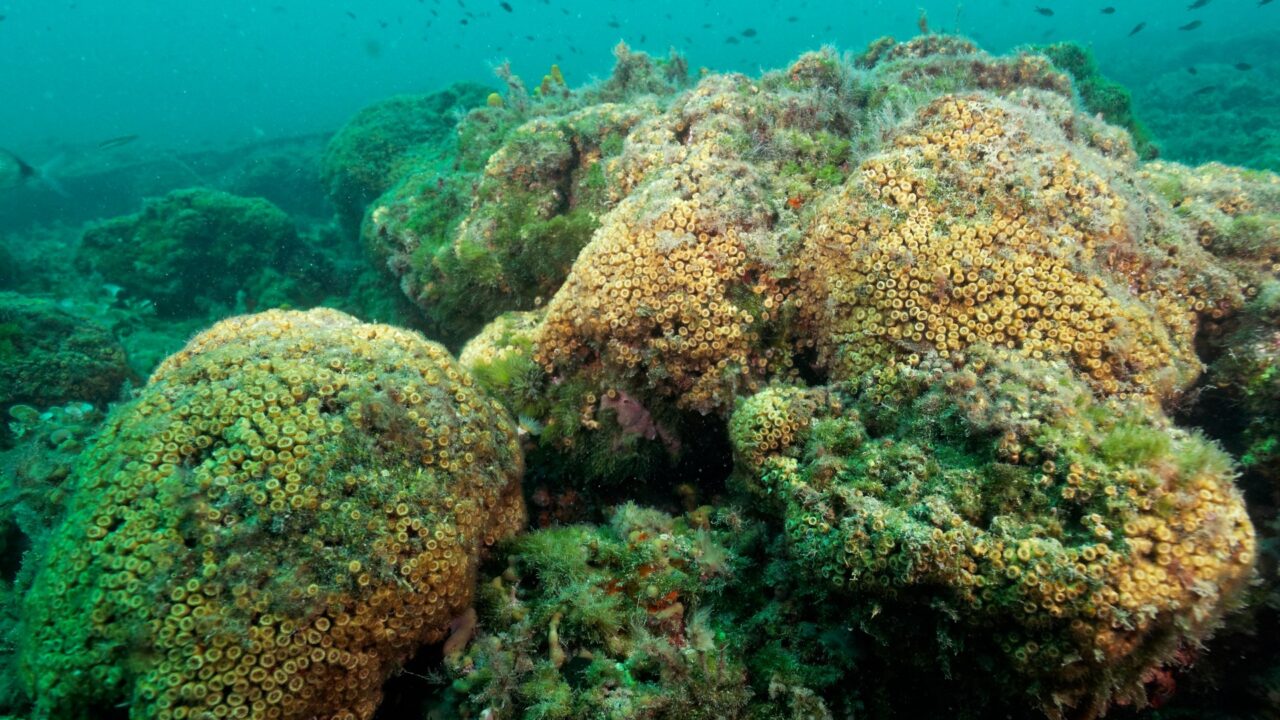
A bacterium commonly found in coral reefs may help corals withstand extreme heat by producing hormones that regulate their immune response, according to a new study by New York University Abu Dhabi. The findings reveal a previously unknown role for coral-associated microbes and could point to new ways of protecting reefs as ocean temperatures rise.
The researchers studied *Acropora* corals from the Arabian Gulf, including specimens collected near Saadiyat Island, about 500 metres off the coast of Abu Dhabi in the United Arab Emirates.
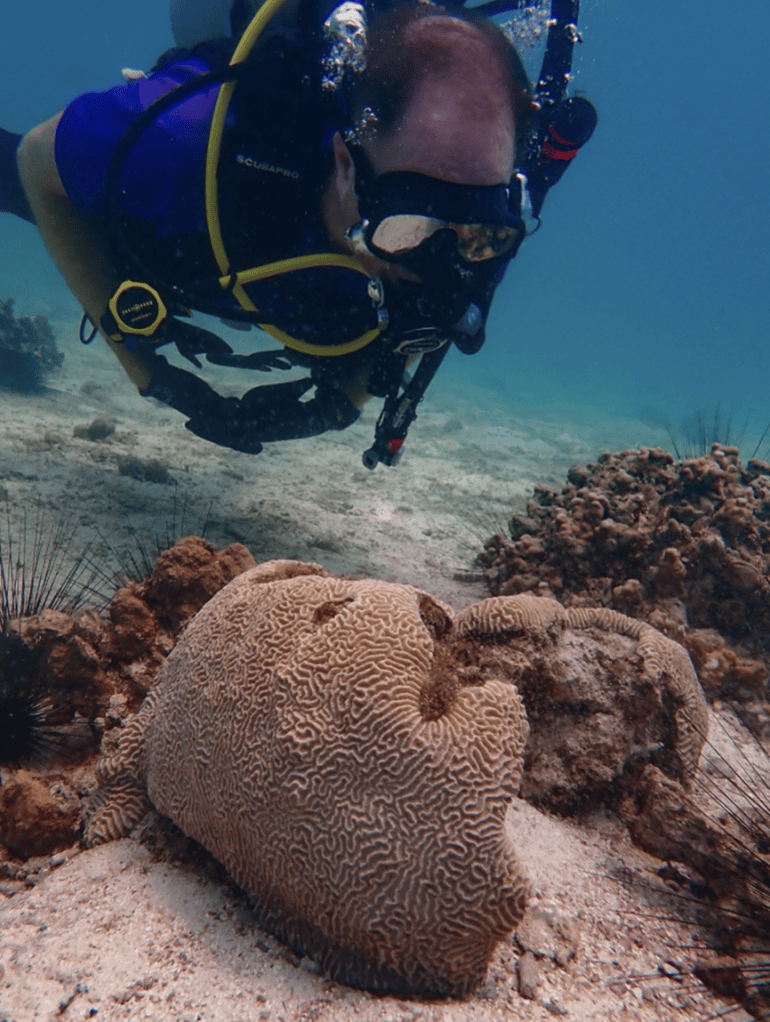
Endozoicomonas bacteria
Published in the journal Nature Microbiology, the study found that Endozoicomonas, a group of bacteria widespread in coral reefs, produces steroid hormones including testosterone and progesterone when temperatures rise. These hormones help corals mount a stronger immune response to heat stress, improving the chances that their cells will survive.
“Endozoicomonas bacteria are abundant in healthy coral reefs and usually disappear when corals are under severe stress or bleach,” said Shadi Amin, associate professor of biology and the study’s lead author, in comments to Al Jazeera Net. “They live inside corals, and the prevailing scientific view was that they had a symbiotic relationship with them and performed an important function. Until now, though, we did not know what that function was.”
Steroid hormones are animal hormones involved in a range of functions, including sexual reproduction, immune activation and growth regulation, Amin told Al Jazeera Net. They include testosterone, progesterone and cortisol, among many other molecules. Like other animals, corals are thought to be capable of producing steroid hormones.
Animals, including corals, can make steroid hormones from cholesterol, the starting material for most of these hormones, said Amin Mohammed, a co-researcher at NYU Abu Dhabi and the study’s first author. Corals produce the sex hormones testosterone and progesterone, whose production is carefully regulated and timed to the annual spawning season. In the Arabian Gulf, coral spawning takes place in April and May.
Coping with extreme heat
Heat stress prompts corals to activate their immune systems and trigger an inflammatory response, similar to the way humans respond to infection, Amin said. But when high temperatures prevent corals from producing testosterone and progesterone, their physiological functions and internal balance are affected. The resulting immune response can become excessive and lead to coral cell death, he explained.
“This is where Endozoicomonas comes in: it produces these molecules for the coral, suppressing or modulating its immune system to prevent an excessive immune reaction. This is thought to help corals survive acute heat stress,” Amin said.
In August, when sea temperatures reach a record 34C, corals come under stress and their ability to produce these hormones is affected, Mohammed said. Bacteria such as Endozoicomonas can supply the hormones, helping the immune response adapt and avoiding excessive inflammation. The bacteria also increase the activity of genes that support survival and prevent cell death.
Why the findings matter
The findings suggest a possible new direction for coral conservation. Approaches such as coral nurseries, reef restoration and assisted evolution have largely focused on corals themselves; the study indicates that harnessing beneficial microbes could also help corals adapt to environmental pressures.
“We have discovered a beneficial symbiotic role for Endozoicomonas in corals that was not known before, and shown that the steroid hormones it produces can modulate the coral’s immune system,” Amin said. “The production of steroid hormones by bacteria is extremely rare in nature. These molecules are known mainly as animal products, and bacteria do not usually use them for any purpose, since they do not have an immune system. This is very significant: it has previously been demonstrated in humans and some gut bacteria, but this is the first time it has been shown in corals.”
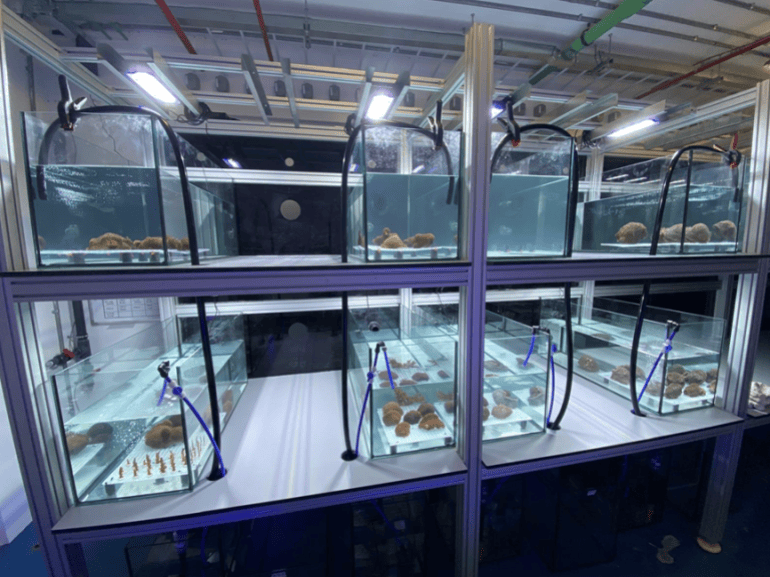
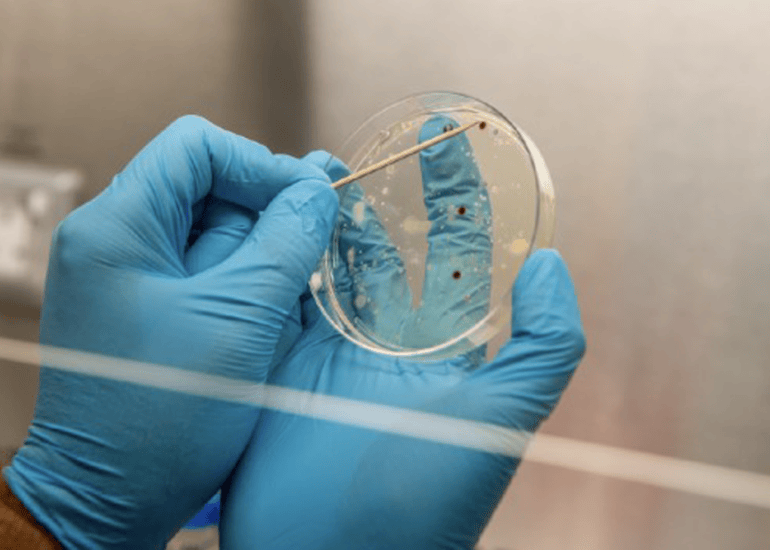
Mohammed said the study was the first to go beyond findings based on correlations and carry out further validation experiments on both corals and bacteria. Endozoicomonas produces different amounts of steroid hormones, particularly progesterone, at different temperatures, suggesting that higher temperatures regulate the production.