
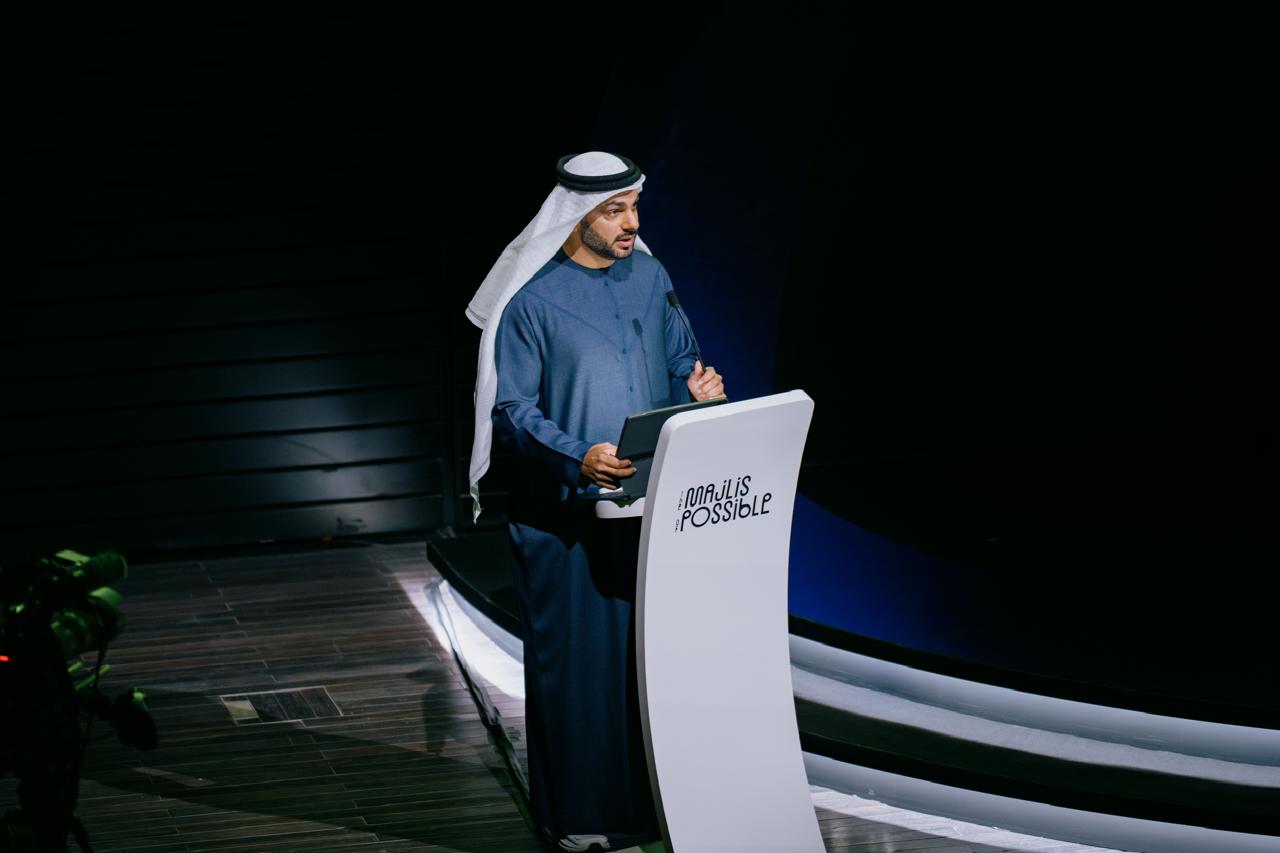
In a groundbreaking forum, leaders of the “Council of Possibility” convened to explore the transformative impact of artificial intelligence and expansive growth on institutional futures. This gathering highlighted how strategic foresight and innovative technology can redefine organizational frameworks and economic models in the region. The discussions emphasized a collective vision for integrating AI, addressing evolving challenges while ensuring sustainable advancements.
Strategic Discussions Among Industry Leaders
The “Council of Possibility” brought together prominent figures from government, technology, and business sectors on February 12 at the Louvre in Abu Dhabi, hosted by Publicis Group Middle East. This forum attracted executives from G42, Publicis Sapient, Microsoft, Snapchat, Nestlé, Amazon Ads, and Adobe. Alongside policymakers, these leaders engaged in deep discussions on the practical applications of digital transformation.
Focus on Institutional Readiness
Rather than fixating solely on emerging technologies, the discussions underscored the importance of institutional readiness. Leaders addressed how governments and organizations can build robust frameworks and governance structures essential for implementing AI systems and managing data at scale.
During the main session on artificial intelligence, Mansour Al Mansouri, Nigel Vaz, CEO of Publicis Sapient, and Samar Abu Latif, Microsoft’s President for the Middle East and Africa, participated in a dialogue moderated by Becky Anderson. The speakers asserted that while advanced technologies are now widely accessible, the critical factor lies in their effective deployment.
The Integration of AI in Institutional Frameworks
Mansour Al Mansouri differentiated between consumer-directed applications and enterprise systems, suggesting that rapid tool deployment alone is insufficient. He highlighted that true transformation hinges on integrated platforms, reliable databases, and institutional ownership. AI, he noted, enhances capabilities in mature systems while revealing weaknesses in those that are not, positioning it as a vital tool for assessing institutional readiness.
Nigel Vaz explored the gap between strategic intentions and practical execution, stating that boardroom discussions have evolved to comprehend how true value can be generated. He indicated that the challenge is aligning infrastructure, incentives, and organizational culture with these ambitions.
Building Trust and Governance
Samar Abu Latif stressed the crucial roles of trust, governance, and digital sovereignty, asserting that these areas become increasingly vital as digital systems integrate into public and private sector operations. He emphasized the need for individual training programs to be accompanied by robust institutional frameworks that include controls, strategic partnerships, and complete compliance with systems.
The AI discussions were part of a broader agenda that examined economic resilience, leadership, and ecosystem development. Sessions under the “Economy of Possibility” banner addressed how institutions can respond to volatility, shifting consumer behaviors, and evolving regulatory frameworks. Participants described intelligence infrastructure as foundational for competitiveness rather than a mere standalone technological investment.
Exploring Diverse Growth Strategies
Discussions also delved into the roles of culture, sports, wellness, and tourism in shaping future growth strategies, reflecting the diverse economic priorities in the region. The speakers reaffirmed that sustainable development increasingly relies on collaboration among governments, global platforms, and private enterprises.
The forum was inaugurated by Saud Abdulaziz Al Hosani, Undersecretary of the Department of Culture and Tourism, who articulated Abu Dhabi’s role as a hub for dialogue and innovation. Nicolas Nimtschino, France’s Ambassador to the UAE, emphasized the depth of French-Emirati cooperation and the significance of cross-border partnerships in driving sustainable long-term progress.
Moreover, the parallel “Studio of Possibility” program engaged students and young professionals, underscoring the importance of talent development alongside technological investment. Organizers framed this initiative as part of a larger effort to build future capabilities across various sectors.
This year’s “Council of Possibility,” coinciding with the centenary celebration of Publicis Group Middle East, reflects a strategic focus on fostering collaboration among policy, technology, and business communities. The goal is to facilitate the exchange of experiences regarding implementation challenges rather than a narrow focus on isolated innovation.
As the discussions drew to a close, participants returned to a central theme: artificial intelligence has transformed from a future aspiration into a present reality. The speakers agreed that the most successful institutions will be those capable of aligning strategy, governance, and leadership to seamlessly integrate intelligent systems into daily decision-making.