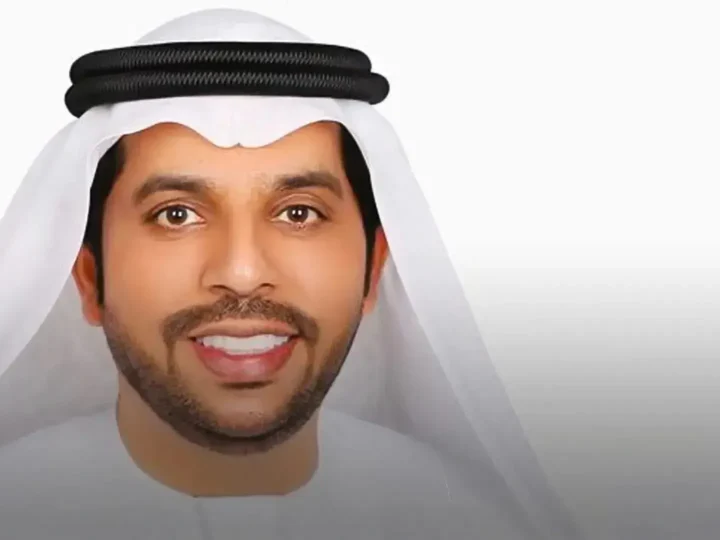
Orthopaedic surgery is entering a new phase, shaped by the expanding use of robotics and the growing potential of artificial intelligence to tailor surgical planning to each patient’s health and anatomy. Alongside a shift towards minimally invasive procedures, these advances are expected to change how operations are performed and increase the level of surgical automation over the next decade. Specialists say the UAE is keeping pace by bringing in the latest medical technologies, broadening treatment options and reducing the need for some patients to travel abroad.
The growth of robotic surgery
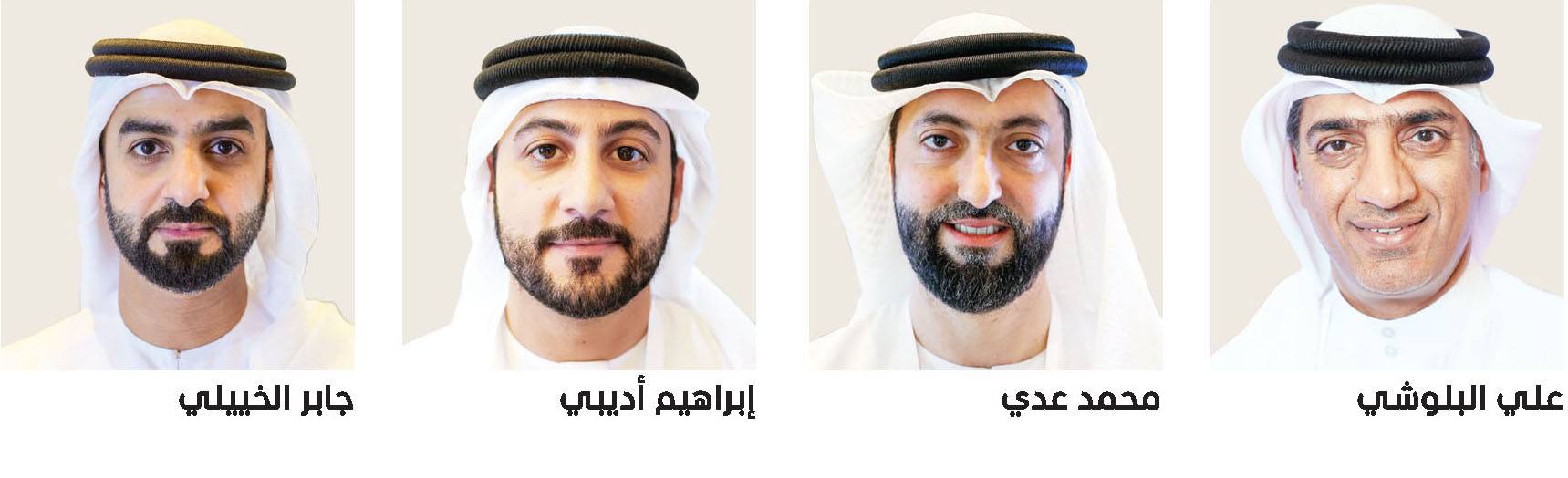
Dr Ali Al Balushi, a consultant orthopaedic surgeon and head of the UAE Orthopaedic Surgery Division, expects robotic procedures to become more widespread in the coming years, while some conventional techniques gradually decline. He said it could take about a decade for robotic systems to carry out most stages of an operation, following plans and instructions set by the surgeon.
Robots used in orthopaedic surgery fall into two categories: fully automated systems and semi-automated systems. The latter assist surgeons in performing procedures with greater precision while leaving them in direct control of the operation.
Fully automated systems use software and plans determined by the doctor in advance to perform assigned surgical tasks. However, they still face challenges, including the time needed to complete procedures and the need to protect tissue around the surgical site.
Future technological advances could improve the speed and efficiency of robots and strengthen their integration with surgeons. Dr Al Balushi stressed that robots still require a doctor’s guidance and approval, and that a surgeon’s experience remains essential to decision-making and managing an operation.
Advanced techniques in the UAE
Dr Mohammed Muath Adi, a consultant orthopaedic surgeon, said the UAE has become an important destination for international companies specialising in orthopaedic surgery technologies. Innovations are reaching the local market more quickly than before, when some new technologies took years to arrive after their global launch.
Robotic technologies have moved beyond their early stages, Dr Adi said, with second- and third-generation surgical robots now present in the UAE. He attributed this progress to competition among global companies and the leadership’s support for developing the healthcare sector and adopting the latest innovations.
Orthopaedic surgery has advanced significantly over the past 10 to 15 years. Among the most notable developments is computer-based preoperative planning, including the design of guides tailored to each patient’s anatomy. This allows surgeons to plan the location of bone cuts and how procedures will be performed before entering the operating theatre, improving precision and potentially shortening some operations and improving their treatment outcomes.
The availability of advanced technologies in the UAE has also reduced the need for patients to travel abroad for treatments that previously required them to do so, Dr Adi said.
What lies ahead for robotics and AI
Dr Jaber Al Khaili, a consultant orthopaedic and joint surgeon, said robots can provide a high level of precision, particularly when adjusting bone angles and determining cut locations according to measurements set by the doctor. Their effective use, however, depends on the surgeon’s skill, experience and ability to guide them. A robot’s precision in carrying out assigned tasks does not mean it can manage an operation independently, he emphasised.
Dr Al Khaili expects artificial intelligence to play a growing role in orthopaedic surgery, drawing on accumulated data and medical expertise. Intelligent systems may be able to offer more personalised surgical recommendations, taking into account differences in patients’ health, bone characteristics and bone fragility, and helping surgeons select the most suitable procedure for each case.
Dr Ibrahim Adeebi, a consultant orthopaedic surgeon, said another major shift is towards minimally invasive surgery, using smaller incisions rather than wide openings, alongside greater use of endoscopes and robotic technologies.
In suitable cases, these approaches may reduce damage to surrounding tissue, ease post-operative pain and speed recovery. The choice of technique depends on the patient’s condition and the doctor’s assessment of the expected treatment outcomes, he said.
Robots are tools to assist surgeons, not replace them. A doctor’s experience and skill remain central to achieving the required precision and ensuring that the procedure is appropriate for the patient, Dr Adeebi stressed.