
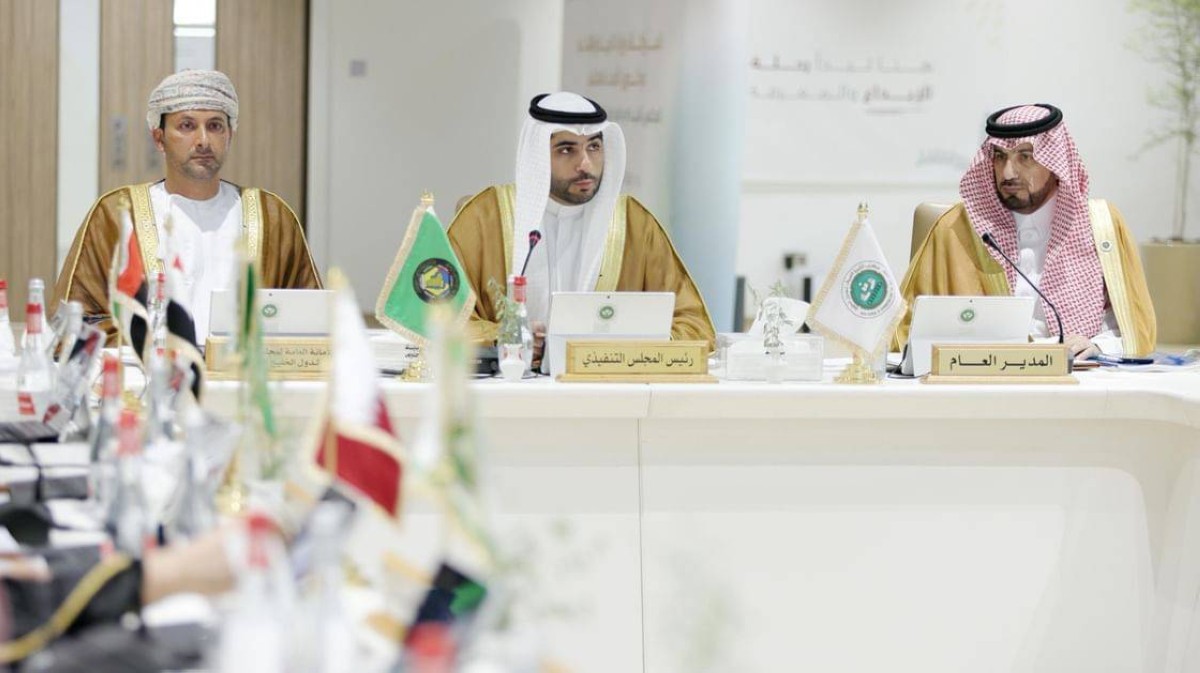
The UAE has officially taken over the presidency of the Executive Council of the Arab Bureau of Education for the Gulf States, a role it will hold through 2026. This significant announcement was made during the 94th session of the council, which brought together various educational leaders from the GCC countries and Yemen. The new role underscores the UAE’s commitment to enhancing education within the region and fostering collaboration among Gulf nations.
Meeting Highlights
The meeting was inaugurated by Eng. Mohammed Al-Qasim, Undersecretary of the Ministry of Education, who presided over the current session. He welcomed all participating delegations, expressing appreciation for their contributions to Gulf cooperation efforts. Eng. Al-Qasim also acknowledged Dr. Ibrahim bin Saleh Al-Nuaimi, the previous president of the council from Qatar, for his dedicated work and oversight of various initiatives during his term.
He extended gratitude to Dr. Abdulrahman Al-Asimi, the former Director-General of the Arab Bureau of Education for Gulf States, for his outstanding contributions that bolstered the office’s presence in the educational landscape of the region. The new Director-General, Dr. Mohammed bin Saud Al-Muqbil, was also welcomed, with hopes for his successful leadership in further advancing educational excellence.
Vision for Future Cooperation
During his address, Eng. Al-Qasim emphasized that the current term would be a fresh start for enhancing cooperation in education across the Gulf. He noted that the integrated efforts over the decades have yielded significant achievements, positioning Gulf education as a model both regionally and internationally. He underscored the importance of solidifying a shared educational vision to effectively shape the future of learning in the region, aiming for active participation in global educational policy-making.
Moreover, the UAE’s presidency of the Executive Council will focus on strengthening a common Gulf identity and values, fostering educational integration, and redefining the concept of education quality. There will also be innovative initiatives aimed at improving educational systems and enhancing decision-making processes based on flexibility and readiness.
Strategic Directions
Dr. Mohammed bin Saud Al-Muqbil expressed his gratitude to the leaders of member states for their continual support of the bureau. He also thanked the education ministers for their unwavering commitment to enhancing the bureau’s role and capabilities. During the meeting, he referenced the significant efforts made by Qatar during its presidency and expressed hope for successful initiatives under the UAE’s term.
According to decisions made in earlier meetings, the bureau has been tasked with preparing a comprehensive study to revise its strategy to align with contemporary educational needs. This alignment will ultimately boost the status of GCC countries in global rankings. Additionally, forthcoming strategies are set to incorporate cultural, professional, and technical dimensions.
Innovative Initiatives and Workshops
The agenda included discussions on various notes, along with an approval of the schedule and its associated items. A presentation by the Hamdan bin Rashid Al Maktoum Foundation highlighted initiatives aimed at enhancing educational quality within the GCC. The meeting concluded with a workshop that engaged education officials from member states, focusing on future strategic directions for the Arab Bureau of Education for Gulf States.
Through its presidency of the Executive Council, the UAE reaffirms its steadfast commitment to collaborative educational efforts, the unification of educational visions, and the solidification of education as a fundamental pillar for sustainable development in the region.