
The call for an immediate ceasefire in Sudan has garnered significant attention, raising questions about the underlying issues that hinder this noble intention. The ongoing conflicts have devastated the lives of countless civilians, prompting a growing consensus among nations, including the UAE, that prioritizing humanitarian relief and transitioning to a civilian-led government is imperative. In this context, the question remains: “What is the problem with a movement seeking an immediate ceasefire in Sudan?” This article explores the complexities surrounding the ceasefire movement and its implications for Sudan’s future.
Supporting Humanitarian Efforts
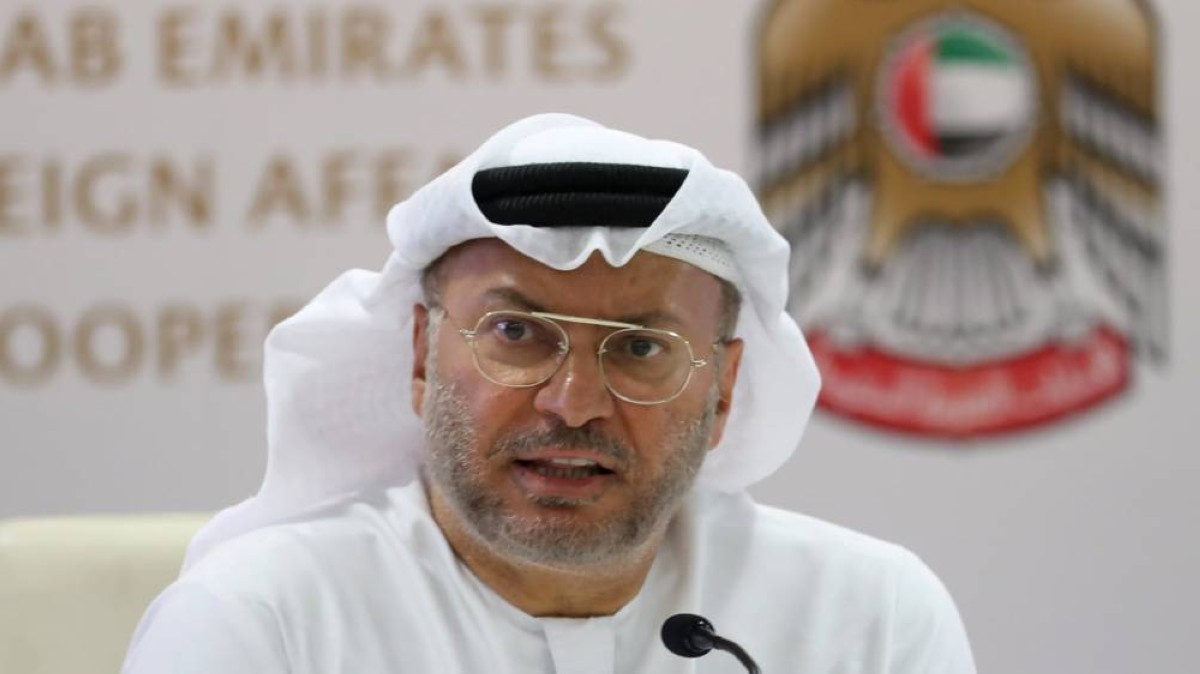
His Excellency Dr. Anwar Gargash, the diplomatic advisor to the President of the UAE, emphasized that the push for an immediate ceasefire in Sudan primarily aims to address the deteriorating humanitarian situation. In his remarks on the platform “X,” he expressed support for this direction, noting the necessity of a practical approach that leads to independent civilian governance. Focusing on humanitarian relief is a top priority, especially given the suffering of civilians and the disintegration of Sudanese communities. Here, he questions: “What is the problem with a movement seeking an immediate ceasefire?”
The Role of International Stakeholders
The UAE and most countries around the world support this position; however, key questions remain. The conflict in Sudan reveals deep divisions between factions of the Sudanese army and the Rapid Support Forces. How can stability be achieved if these forces do not cooperate with efforts to restore peace? Direct and productive dialogue is a key factor. It is crucial that the armed parties consider the interests of the Sudanese people and place them at the forefront of their priorities. The question “What is the problem with a movement seeking an immediate ceasefire in Sudan?” demands answers from those parties that hold power and influence the course of events.
Challenges to Implementing a Ceasefire
Despite widespread international support for initiating a ceasefire, significant obstacles remain. The interconnected power of the armed groups complicates the implementation of any agreement. Any peace initiative requires careful organization and planning, along with persistent efforts to persuade the involved parties to come to the negotiating table. Dr. Gargash’s comments were clear when he addressed the essence of the tragedy, pointing out that the pressing question is: “What is the problem with a movement seeking an immediate ceasefire in Sudan?” Therefore, the international community must double its efforts to ensure stability in Sudan.
Path Forward for Sudan
To ensure a better future for Sudan, leaders must have the courage to make the necessary sacrifices for peace. Strategies backed by the international community should be integrated, taking into account the demands and needs of the Sudanese people. The continuation of the current situation threatens further deterioration, necessitating a swift and appropriate response from both military and civilian leaders. “What is the problem with a movement seeking an immediate ceasefire in Sudan?” is not just a question; it is a call for urgent response and cooperation to bring about change. The true voice of the Sudanese people must shape the future, with a focus on collective action to achieve long-term security and stability.