
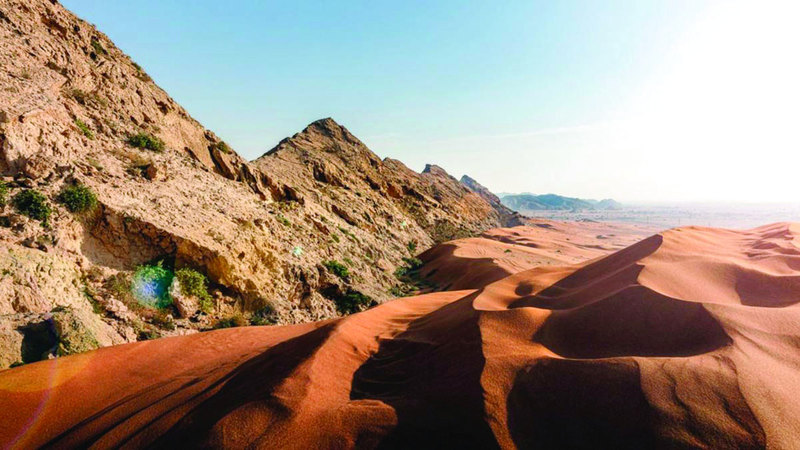
In a landmark achievement showcasing national collaboration, the United Arab Emirates has successfully registered the archaeological site of الفاية on UNESCO’s World Heritage List. This accomplishment highlights the nation’s commitment to preserving its cultural heritage and reflects a strategic vision aimed at integrating heritage into the national identity while fostering global cultural dialogue. The dedicated efforts of various stakeholders have culminated in this significant recognition, marking الفاية as a vital part of human history.
National Efforts to Preserve Cultural Heritage
The National Committee of the UAE for Education, Culture, and Science, under the Ministry of Culture, alongside the Emirati delegation to UNESCO, has been instrumental in championing the country’s heritage preservation initiatives. These collective efforts have enabled the UAE to maintain its track record of global achievements in safeguarding cultural heritage. The recent decision by the World Heritage Committee to include الفاية in its listings during its 47th session in Paris underscores the fruit of these combined endeavors, particularly the collaboration with the Sharjah Archaeology Authority and the executive office of Sheikha Bodour bint Sultan Al Qasimi.
A Historic Recognition
Sheikh Salem bin Khalid Al Qasimi, Minister of Culture and Chairman of the National Committee for Education, Culture, and Science, expressed immense pride in this historic recognition. He emphasized that the listing of الفاية results from constructive cooperation among various national entities involved in heritage and scientific research. “The outstanding universal value of الفاية lies in its role as a living record of one of the oldest forms of human settlement in desert environments,” he stated. “This site provides rare evidence of human adaptability and innovation in the face of natural challenges, making its inclusion not just an Emirati achievement but a significant contribution to humanity’s understanding of societal development.”
Significance of الفاية in Human History
Located in central Sharjah, الفاية stands as a testament to the resilience of early humans adapting to harsh desert environments. It houses the oldest continuous record of human presence in the Arabian Peninsula, dating back over 210,000 years, giving it exceptional value in archaeology and anthropology. Discoveries suggest that الفاية was not merely a transit point for migrations; rather, it served as a recurring settlement during favorable climatic periods. Its water sources and abundance of flint contributed to the development of tools and natural shelter, facilitating human stability during prehistoric times.
Plans for Preservation and Future Studies
The UAE has proactively developed a comprehensive management plan for الفاية, aimed at directing conservation efforts and facilitating research while managing visitor access from 2024 to 2030. This plan aligns with UNESCO’s world heritage site standards, ensuring the site’s preservation while continuing archaeological exploration and scientific research. The global recognition of الفاية reinforces the UAE’s position as a key player in the protection and safeguarding of world heritage for future generations.
The recognition of الفاية on the UNESCO World Heritage List encapsulates the UAE’s dedication to cultural heritage and adds a critical chapter to the story of human civilization.